
Why the North Side of Your Pinehurst Circle Roof Always Stays Green and Damp
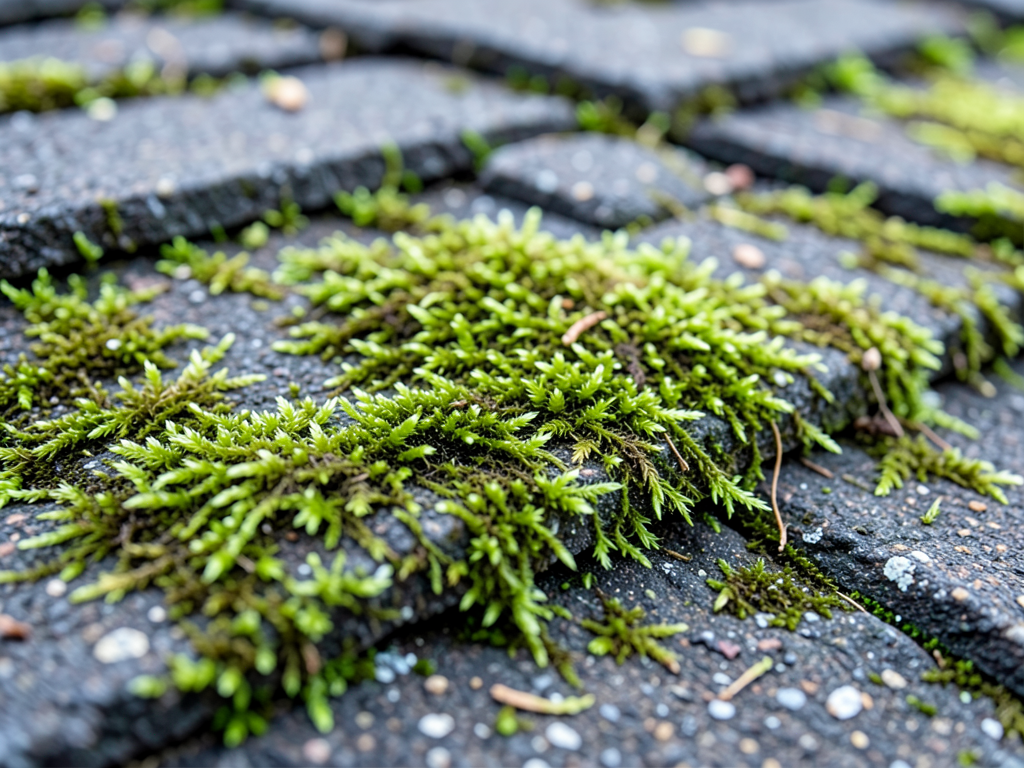
The north side of your roof stays damp because it never gets direct sunlight. In Washington DC’s humid climate, that constant shade creates perfect conditions for moss to grow on your shingles. Moss holds moisture against your roof surface which can damage asphalt over time and lead to expensive repairs. DC Department of Energy and Environment.
Moss thrives in the cool damp conditions found on north-facing slopes. Without UV exposure to dry it out, moss colonies spread across your shingles feeding on the organic material trapped in the shingle granules. This is especially common in neighborhoods like Pinehurst Circle where mature trees create additional shade.
How Moss Damages Your Asphalt Shingles
Moss grows by sending tiny root-like structures called rhizoids into the microscopic pores of your shingles. These rhizoids don’t just sit on the surface – they physically penetrate the asphalt mat and begin breaking down the protective layers. Over time this creates small channels where water can seep underneath the shingles. Metal Roof vs Asphalt Shingles Cost.
The constant moisture retention also accelerates granule loss. Asphalt shingles rely on ceramic granules to reflect UV rays and protect the underlying asphalt. When moss grows between these granules it loosens them and they wash away in the next rain. This exposes the asphalt to direct UV damage which causes it to become brittle and crack.
In Washington DC’s climate where we get 40+ inches of rain annually and high humidity, this process happens faster than in drier regions. The combination of shade from trees and buildings with our moist air creates an environment where moss can establish itself within one growing season. DC Water.
The Science Behind North-Facing Moss Growth
The Earth’s tilt means the sun never shines directly on north-facing surfaces in the Northern Hemisphere. In Washington DC during winter months the sun sits so low in the sky that north-facing roofs might only get indirect light for a few hours each day. This limited exposure prevents the surface from drying completely after rain. The Real Cost of a Roof Replacement for Washington DC Homeowners.
Our local humidity levels compound the problem. Washington DC sits in a humid subtropical climate zone where relative humidity often exceeds 70% during summer months. When cool night air meets the still-damp north roof surface, condensation forms creating a microscopic layer of water that moss spores need to germinate.
Tree canopy in neighborhoods like Pinehurst Circle adds another layer of complexity. Mature oaks and maples block not just direct sunlight but also trap moisture beneath their branches. This creates a microclimate on your roof that can be 5-10 degrees cooler than surrounding areas with more sun exposure.
Safe Moss Removal Methods That Won’t Void Your Warranty
- Safety Preparation
Wear non-slip shoes, use a safety harness, and never work on wet surfaces. Moss makes roofs extremely slippery even when dry.
- Gentle Brushing Technique
Use a soft-bristle brush and work from the top down to avoid lifting shingles. Never scrape horizontally across the grain of the shingles.
- Eco-Friendly Cleaning Solution
Mix 1 part oxygen bleach with 4 parts water. Apply with a garden sprayer and let sit for 15-20 minutes before gentle rinsing.
- Thorough Rinsing
Use a garden hose with a spray nozzle, not a pressure washer. Start from the top and work down to prevent forcing water under shingles.
- Post-Cleaning Inspection
Check for any lifted or damaged shingles that need repair. Look for exposed nail heads or cracked flashing.
What Never to Do When Removing Moss
Pressure washing your roof might seem like the fastest solution but it’s actually one of the worst things you can do. High-pressure water can strip away protective granules, force water under shingles, and void your manufacturer’s warranty. Most asphalt shingle warranties specifically prohibit pressure washing.
Avoid using undiluted bleach or harsh chemicals like trisodium phosphate (TSP). These can kill surrounding plants, contaminate local waterways, and damage your shingles. In Washington DC we’re particularly conscious of protecting the Chesapeake Bay watershed from chemical runoff.
Don’t scrape moss off with metal tools or putty knives. This creates scratches in the shingle surface that trap more moisture and accelerate deterioration. The goal is to remove the moss without damaging the protective layers underneath.
Long-Term Prevention Strategies
Installing zinc or copper strips along the ridge of your roof provides ongoing protection against moss regrowth. When it rains, trace amounts of these metals wash down the roof surface creating an environment where moss cannot survive. This works because the metal ions are toxic to moss spores but harmless to your shingles.
Trimming back overhanging tree branches reduces shade and improves air circulation across your roof surface. Aim to create at least 3-4 feet of clearance between tree limbs and your roof edge. This also prevents leaves and debris from accumulating which moss feeds on.
Improving attic ventilation helps by reducing the temperature difference between your roof surface and the surrounding air. When your attic stays cooler in summer, your roof surface doesn’t get as hot which reduces the expansion and contraction that creates tiny cracks where moss can take hold.
Washington DC’s Unique Climate Challenges
Washington DC experiences what meteorologists call a humid subtropical climate with four distinct seasons. This means we get hot humid summers followed by cold wet winters. This temperature swing creates expansion and contraction cycles in your shingles that moss exploits. How to Get Your Roof Ready for a DC Winter in Chevy Chase.
Our proximity to the Chesapeake Bay and Atlantic Ocean means we get more moisture-laden air than areas further inland. This extra humidity keeps north-facing surfaces damp for longer periods after rain. Combine this with our urban heat island effect where city surfaces retain heat and you get microclimates that favor moss growth.
According to the DC Department of Energy and Environment, our average relative humidity ranges from 55% in winter to over 70% in summer. These conditions are ideal for moss establishment and make prevention strategies particularly important for Washington DC homeowners.
When to Call a Professional Roofer
If your north-facing roof has extensive moss coverage covering more than 30% of the surface, it’s time to call a professional. Large moss colonies often indicate underlying moisture problems or ventilation issues that require expert diagnosis.
Steep roofs or multi-story homes present serious safety risks for DIY moss removal. Professional roofers have the proper safety equipment and experience to work on high-pitch surfaces without risking injury or causing damage.
If you notice missing granules, cracked shingles, or signs of water damage inside your home, don’t attempt DIY removal. These symptoms suggest your roof may already be compromised and needs professional assessment before any cleaning begins.
Comparing DIY vs Professional Moss Removal
| Factor | DIY Approach | Professional Service |
|---|---|---|
| Initial Cost | $50-100 for supplies | $300-600 for complete service |
| Time Required | 4-8 hours for average home | 2-3 hours with professional crew |
| Safety Risk | High for steep roofs | Minimal with proper equipment |
| Potential for Damage | Moderate if inexperienced | Low with trained technicians |
| Long-Term Results | Variable depending on technique | Consistent with prevention plan |
Protecting Your Investment in Washington DC Real Estate
Your roof represents a significant investment in your Washington DC home. In neighborhoods like Pinehurst Circle where property values are high, maintaining your roof’s condition directly impacts your home’s market value. A roof with moss damage can reduce your home’s appraisal value by 5-10%.
Many Washington DC homes are historic or have architectural significance. Moss damage on these properties can be particularly problematic because replacement materials often need to match original specifications. Prevention is always less expensive than restoration. Navigating Historic Preservation Roofing Rules in Dupont Circle.
The DC Historic Preservation Office has specific guidelines about exterior modifications to historic properties. While moss removal is generally permitted, using harsh chemicals or damaging cleaning methods could violate preservation guidelines and result in fines.
Local Resources for DC Homeowners
The DC Department of Energy and Environment provides guidelines for eco-friendly home maintenance practices that protect our local waterways. Their recommendations for roof cleaning emphasize using biodegradable cleaners and preventing chemical runoff into storm drains. The Best Flat Roof Maintenance Tips for Petworth Homeowners.
DC Water offers rebates for homeowners who install rain barrels and improve stormwater management on their property. These programs can help offset the cost of professional roof maintenance that includes gutter cleaning and water management improvements.
Local roofing contractors familiar with Washington DC’s specific climate challenges can provide maintenance schedules tailored to our humidity patterns and seasonal weather changes. They understand how our urban environment affects roof performance differently than suburban or rural areas.
Frequently Asked Questions
How long does it take for moss to damage my roof?
Moss typically takes 2-3 years to cause significant damage to asphalt shingles. However, in Washington DC’s humid climate, this process can accelerate if the moss colony is extensive and moisture conditions remain favorable year-round.
Can I use vinegar to kill moss on my roof?
White vinegar can kill moss but it’s not recommended for roof use. The acidic nature can damage asphalt shingles and surrounding vegetation. Oxygen bleach is a safer alternative that won’t harm your landscaping or roofing materials.
Will removing moss make my roof look worse temporarily?
Yes, after moss removal you may notice bare patches where the moss was growing. This is normal as the moss was covering damaged areas. Your shingles will regain their uniform appearance within a few weeks as the surface dries and any remaining debris washes away.
How often should I treat my north-facing roof for moss?
In Washington DC’s climate, treat your north-facing roof every 12-18 months for prevention. Homes with heavy tree coverage or in particularly humid microclimates may need treatment every 6-12 months to stay ahead of moss establishment.
Does moss grow on all types of roofing materials?
Moss primarily grows on porous materials like asphalt shingles, wood shakes, and some types of tile. Metal roofs and slate are less susceptible because they don’t provide the organic material moss needs to establish itself.
Take Action Before Moss Causes Expensive Damage
Moss on your north-facing roof isn’t just an aesthetic issue – it’s a warning sign that moisture is being trapped against your shingles. In Washington DC’s climate, this problem only gets worse with time and can lead to leaks, energy inefficiency, and premature roof replacement.
If you’re seeing green growth on your north-facing slope, don’t wait until you have water stains on your ceiling. Early intervention can save you thousands in repairs and extend your roof’s lifespan by 5-10 years. The cost of professional moss removal is minimal compared to the expense of replacing water-damaged decking or interior finishes.
Call (771) 240-3300 today to schedule your inspection. Our Washington DC roofing experts will assess your north-facing slope, identify any existing damage, and create a customized prevention plan for your specific roof type and neighborhood conditions. Don’t let another rainy season pass while moss continues to damage your investment.
Pick up the phone and call (771) 240-3300 before the next storm hits. We’ll help you protect your Washington DC home from the unique challenges our humid climate creates for north-facing roofs.
{
“@context”: “https://schema.org”,
“@type”: “BlogPosting”,
“headline”: “Why the North Side of Your Pinehurst Circle Roof Always Stays Green and Damp”,
“description”: “Learn why moss thrives on north-facing roofs in Washington DC’s humid climate and how to safely remove it without damaging your shingles.”,
“wordCount”: 1866,
“datePublished”: “2026-06-02T09:08:00.000Z”,
“dateModified”: “2026-06-02T09:08:00.000Z”,
“inLanguage”: “en-US”,
“mainEntityOfPage”: {
“@type”: “WebPage”,
“@id”: “https://aceroofingwashingtondc.com”
},
“publisher”: {
“@type”: “LocalBusiness”,
“name”: “Ace Roofing Washington DC”,
“url”: “https://aceroofingwashingtondc.com”
},
“author”: {
“@type”: “Organization”,
“name”: “Ace Roofing Washington DC”,
“url”: “https://aceroofingwashingtondc.com”
},
“image”: {
“@type”: “ImageObject”,
“url”: “https://aceroofingwashingtondc.com/wp-content/uploads/2026/03/why-the-north-side-of-your-pinehurst-circle-roof-a-1.png”
}
}
{
“@context”: “https://schema.org”,
“@type”: “RoofingContractor”,
“name”: “Ace Roofing Washington DC”,
“url”: “https://aceroofingwashingtondc.com”,
“address”: {
“@type”: “PostalAddress”,
“addressLocality”: “Washington DC”
},
“areaServed”: {
“@type”: “City”,
“name”: “Washington DC”
}
}
{
“@context”: “https://schema.org”,
“@type”: “FAQPage”,
“mainEntity”: [
{
“@type”: “Question”,
“name”: “How long does it take for moss to damage my roof?”,
“acceptedAnswer”: {
“@type”: “Answer”,
“text”: “Moss typically takes 2-3 years to cause significant damage to asphalt shingles. However, in Washington DC’s humid climate, this process can accelerate if the moss colony is extensive and moisture conditions remain favorable year-round.”
}
},
{
“@type”: “Question”,
“name”: “Can I use vinegar to kill moss on my roof?”,
“acceptedAnswer”: {
“@type”: “Answer”,
“text”: “White vinegar can kill moss but it’s not recommended for roof use. The acidic nature can damage asphalt shingles and surrounding vegetation. Oxygen bleach is a safer alternative that won’t harm your landscaping or roofing materials.”
}
},
{
“@type”: “Question”,
“name”: “Will removing moss make my roof look worse temporarily?”,
“acceptedAnswer”: {
“@type”: “Answer”,
“text”: “Yes, after moss removal you may notice bare patches where the moss was growing. This is normal as the moss was covering damaged areas. Your shingles will regain their uniform appearance within a few weeks as the surface dries and any remaining debris washes away.”
}
},
{
“@type”: “Question”,
“name”: “How often should I treat my north-facing roof for moss?”,
“acceptedAnswer”: {
“@type”: “Answer”,
“text”: “In Washington DC’s climate, treat your north-facing roof every 12-18 months for prevention. Homes with heavy tree coverage or in particularly humid microclimates may need treatment every 6-12 months to stay ahead of moss establishment.”
}
},
{
“@type”: “Question”,
“name”: “Does moss grow on all types of roofing materials?”,
“acceptedAnswer”: {
“@type”: “Answer”,
“text”: “Moss primarily grows on porous materials like asphalt shingles, wood shakes, and some types of tile. Metal roofs and slate are less susceptible because they don’t provide the organic material moss needs to establish itself.”
}
}
]
}
{
“@context”: “https://schema.org”,
“@type”: “HowTo”,
“name”: “How to Remove Moss from Your Roof”,
“step”: [
{
“@type”: “HowToStep”,
“position”: 1,
“name”: “Safety Preparation”,
“text”: “Wear non-slip shoes, use a safety harness, and never work on wet surfaces. Moss makes roofs extremely slippery even when dry.”
},
{
“@type”: “HowToStep”,
“position”: 2,
“name”: “Gentle Brushing Technique”,
“text”: “Use a soft-bristle brush and work from the top down to avoid lifting shingles. Never scrape horizontally across the grain of the shingles.”
},
{
“@type”: “HowToStep”,
“position”: 3,
“name”: “Eco-Friendly Cleaning Solution”,
“text”: “Mix 1 part oxygen bleach with 4 parts water. Apply with a garden sprayer and let sit for 15-20 minutes before gentle rinsing.”
},
{
“@type”: “HowToStep”,
“position”: 4,
“name”: “Thorough Rinsing”,
“text”: “Use a garden hose with a spray nozzle, not a pressure washer. Start from the top and work down to prevent forcing water under shingles.”
},
{
“@type”: “HowToStep”,
“position”: 5,
“name”: “Post-Cleaning Inspection”,
“text”: “Check for any lifted or damaged shingles that need repair. Look for exposed nail heads or cracked flashing.”
}
],
“image”: “https://aceroofingwashingtondc.com/wp-content/uploads/2026/03/why-the-north-side-of-your-pinehurst-circle-roof-a-1.png”
}
{
“@context”: “https://schema.org”,
“@type”: “BreadcrumbList”,
“itemListElement”: [
{
“@type”: “ListItem”,
“position”: 1,
“name”: “Home”,
“item”: “https://aceroofingwashingtondc.com”
},
{
“@type”: “ListItem”,
“position”: 2,
“name”: “Blog”,
“item”: “https://aceroofingwashingtondc.com/blog”
},
{
“@type”: “ListItem”,
“position”: 3,
“name”: “Why the North Side of Your Pinehurst Circle Roof Always Stays Green and Damp”
}
]
}
{
“@context”: “https://schema.org”,
“@type”: “Service”,
“serviceType”: “Roofing”,
“provider”: {
“@type”: “LocalBusiness”,
“name”: “Ace Roofing Washington DC”,
“url”: “https://aceroofingwashingtondc.com”
},
“areaServed”: {
“@type”: “City”,
“name”: “Washington DC”
},
“description”: “Learn why moss thrives on north-facing roofs in Washington DC’s humid climate and how to safely remove it without damaging your shingles.”
}