menu

Commercial Roof Replacement in Washington, D.C. | Minimize Downtime with Industrial-Grade Installation

We deliver commercial reroofing and industrial roof replacement across the District with precision scheduling, code-compliant materials, and crews that work around your business operations to keep tenants safe and revenue uninterrupted.

Slider Image 1
Slider Image 2
Slider Image 3
Slider Image 4
Slider Image 5
Slider Image 7
Slider Image 8
Slider Image 9
Slider Image 10
Slider Image 11

Why Federal District Weather and Building Density Make Commercial Roof Replacement a Business Continuity Issue

Washington, D.C.'s combination of high summer humidity, freeze-thaw cycles, and dense urban heat island effect accelerates commercial roof degradation faster than you expect. Flat and low-slope roofs on office buildings, warehouses, and multi-tenant properties absorb thermal stress year-round. When membrane systems or built-up roofing fail, you face interior water damage, tenant complaints, liability exposure, and operational disruption.

The District's strict building codes and historic overlay districts complicate commercial roof installation. You need a contractor who understands D.C. Construction Codes Title 12, navigates DCRA permitting efficiently, and coordinates with building management to avoid lease violations or tenant disruptions. Many commercial building roof replacement projects in Capitol Hill, NoMa, and Shaw involve coordinating with condo boards, federal tenants, or mixed-use retail spaces where timing is non-negotiable.

Delayed commercial reroofing compounds risk. Ponding water from clogged drains or sagging decking leads to mold growth in ceiling plenums, HVAC system contamination, and potential code violations during inspections. Industrial roof replacement for manufacturing or logistics facilities near Ivy City or Brookland requires materials rated for chemical exposure, heavy equipment loads, and uninterrupted operations during installation.

You need a partner who treats your roof as critical infrastructure, not a construction project. Ace Roofing Washington DC specializes in commercial flat roof replacement that protects your asset value, keeps tenants satisfied, and eliminates the financial bleed of emergency repairs.

Why Federal District Weather and Building Density Make Commercial Roof Replacement a Business Continuity Issue
How We Execute Commercial Roof Replacement Without Disrupting Your Operations

How We Execute Commercial Roof Replacement Without Disrupting Your Operations

We approach every commercial building roof replacement as a logistics and engineering challenge. Our process begins with non-invasive roof core sampling and infrared moisture scanning to map hidden saturation in insulation layers. This diagnostic phase identifies whether you need full tear-off or if a recover system over existing membrane is viable under D.C. code, which directly impacts your budget and timeline.

For commercial reroofing projects, we submit detailed phasing plans to building management and coordinate with your HVAC contractor to protect rooftop units during demolition. We use crane lifts or material hoists to avoid blocking loading docks or tenant access points. On multi-story office buildings near Farragut Square or Metro Center, we schedule noisy work outside business hours to prevent tenant complaints and lease disputes.

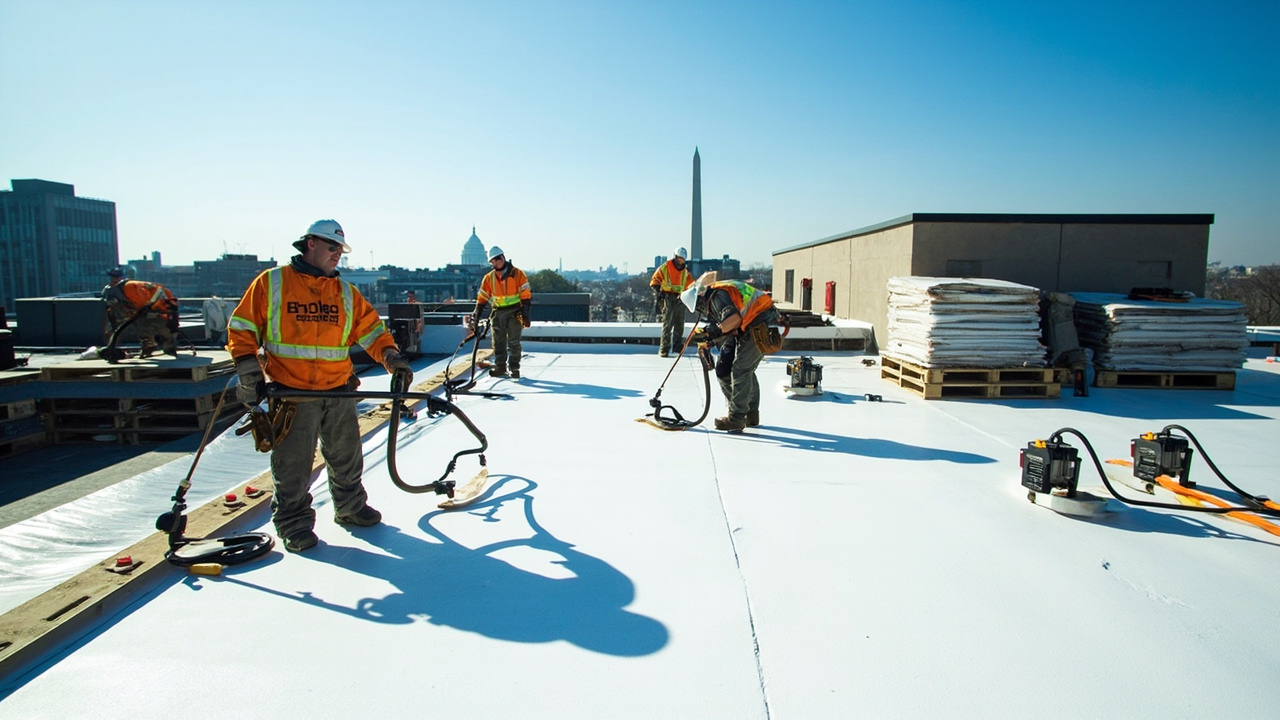
Our crews install TPO, EPDM, or modified bitumen systems based on your building's load capacity, drainage design, and warranty requirements. For industrial roof replacement on warehouses with high parapet walls or complex penetrations, we use hot-air welding for seams instead of adhesive to ensure watertight integrity under ponding conditions. We replace failed crickets, upgrade scupper systems, and install tapered insulation to eliminate standing water that voids manufacturer warranties.

Every commercial roof installation includes updated as-built drawings, IR scan verification of dry insulation, and a post-completion walkthrough with your facilities manager. We coordinate final inspections with DCRA and provide documentation your insurance carrier needs for liability coverage. You get a roof system engineered for the District's climate, installed on your timeline, and backed by material manufacturer warranties that protect your investment.

What Happens During Your Commercial Roof Replacement Project

Commercial Roof Replacement in Washington, D.C. | Minimize Downtime with Industrial-Grade Installation
01

Roof Assessment and Phasing

We conduct a structural load analysis, core sampling, and moisture survey to determine tear-off scope and material compatibility. You receive a phased work schedule that isolates active work zones, protects building systems, and coordinates with tenant leases. We file permits with DCRA and notify adjacent property owners per District requirements to avoid project delays or fines.
02

Controlled Demolition and Installation

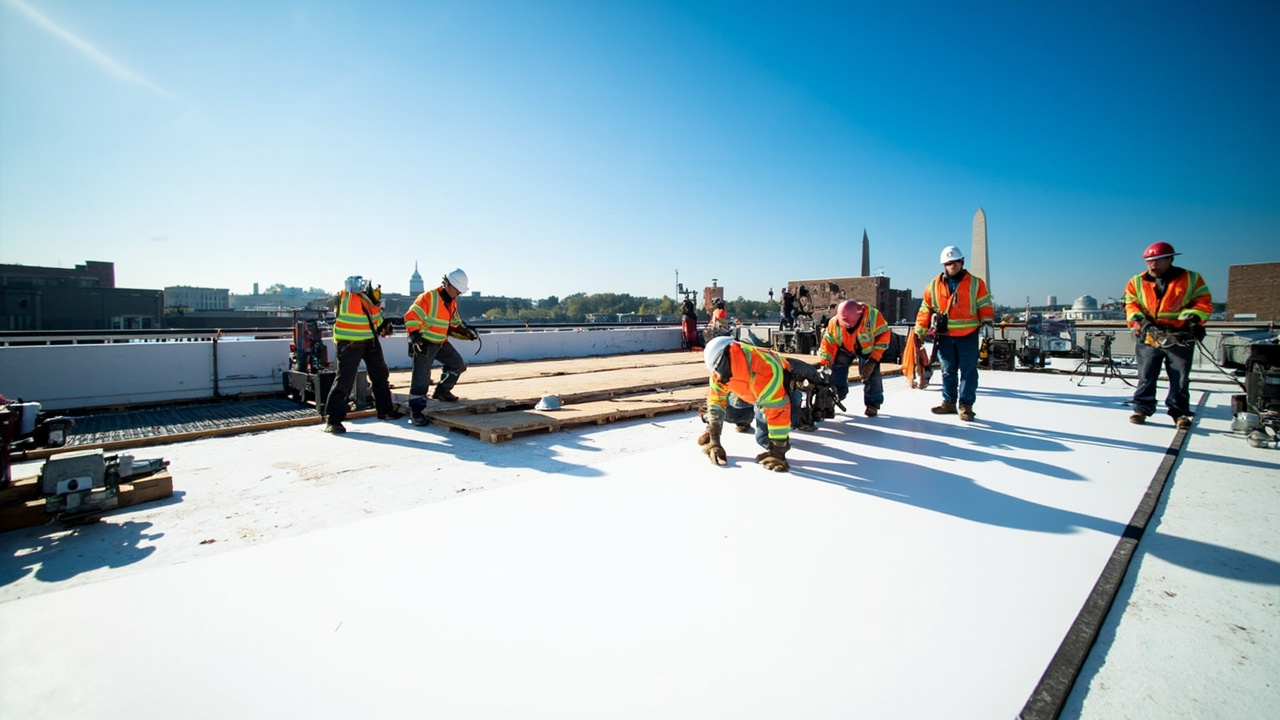
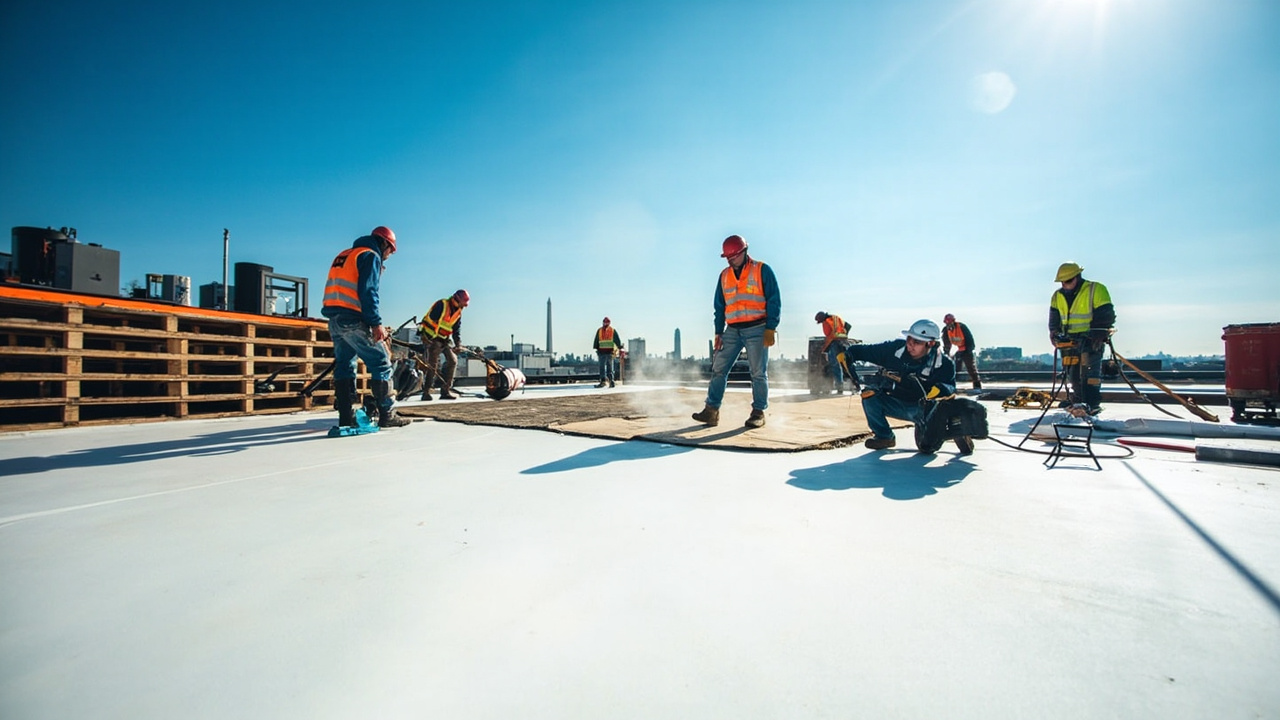
Our crews remove existing roofing in sections, inspect and repair deck sheathing, then install new insulation and membrane systems using crane lifts or hoists. We maintain weather-tight conditions daily with temporary tarps, protect HVAC equipment with barriers, and use dust containment to prevent interior contamination. All debris is removed nightly to keep your property presentable and compliant with D.C. waste regulations.
03

Final Inspection and Handover

After installation, we perform flood testing on drains, IR scan verification, and a detailed punch-list walkthrough with your team. You receive warranty documents, as-built drawings, and a digital maintenance log for future reference. We schedule the final DCRA inspection, handle any corrections, and provide your property manager with a roof care protocol to maximize system lifespan and prevent warranty voids.

Why Washington, D.C. Property Managers Choose Ace Roofing Washington DC for Commercial Projects

We understand that your commercial roof replacement is not a construction event. It is a risk management decision that impacts tenant retention, insurance premiums, and asset valuation. Our approach prioritizes business continuity over speed, which means realistic timelines, transparent communication, and zero surprises during installation.

Ace Roofing Washington DC has completed industrial roof replacement projects on cold storage facilities in Ivy City, office buildings in the Central Business District, and mixed-use developments in Navy Yard without a single tenant complaint or lease violation. We work directly with your property management team, condo board, or facilities director to align work schedules with lease terms, coordinate elevator access, and minimize noise during business hours.

Our crews are trained in fall protection, confined space entry, and OSHA 1926 Subpart M compliance. Every foreman carries District contractor licenses and understands D.C.-specific code requirements for roof drainage, fire-rated assemblies, and green roof integration. We pull permits correctly the first time, maintain liability coverage that meets commercial lender requirements, and provide certificates of insurance within 24 hours for your tenant files.

We also understand the District's unique building stock. Many commercial properties in Georgetown, Dupont Circle, and Capitol Hill have masonry parapet walls, historic facades, or shared roof decks that require specialized flashing details and coordination with adjacent owners. We have replaced roofs on buildings with federal tenants, which requires background checks, after-hours access, and compliance with GSA security protocols.

You need a contractor who treats your building like the business asset it is. We deliver commercial flat roof replacement that protects your NOI, satisfies your tenants, and stands up to D.C. weather without callbacks or warranty disputes.

What You Can Expect from Our Commercial Roof Replacement Process

Project Timeline and Coordination

Most commercial reroofing projects in the District take two to six weeks depending on square footage, weather, and existing conditions. We provide a detailed CPM schedule that identifies milestone dates, material deliveries, and inspection windows. Our project manager sends daily progress reports to your facilities team and adjusts phasing in real time to accommodate tenant events, HVAC maintenance, or unexpected deck repairs. We coordinate with your security, janitorial, and parking teams to avoid conflicts and maintain property access throughout installation.

Pre-Construction Assessment and Engineering

Before mobilization, we perform infrared moisture scanning, core sampling, and structural load analysis to confirm your existing deck can support new insulation and membrane weight. You receive a written report that identifies wet insulation areas, failed flashing details, and any structural concerns that affect scope or cost. We review material options based on your budget, warranty requirements, and building use. Our goal is to eliminate change orders by identifying conditions accurately before work begins, which protects your budget and timeline.

Quality Control and Weather Protection

We maintain weather-tight conditions daily using temporary membranes and tarps to prevent interior water damage during tear-off. Our crews perform seam testing, flood tests on drains, and pull tests on fasteners to verify installation meets manufacturer specifications for warranty activation. Every commercial roof installation is IR scanned post-completion to confirm dry insulation and identify any installation defects before final payment. You receive digital documentation, warranty certificates, and maintenance guidelines that protect your investment and simplify future roof inspections or insurance claims.

Post-Installation Support and Maintenance

After installation, we provide a detailed roof care protocol that covers drain cleaning frequency, membrane inspection schedules, and early warning signs of failure. We offer annual maintenance contracts that include spring and fall inspections, drain cleaning, and minor repairs to extend system life and prevent warranty voids. Our team responds to service calls within 24 hours and maintains detailed service records for your property files. If you experience leaks or performance issues, we dispatch a crew immediately to protect your building and minimize tenant disruption.

Frequently Asked Questions

You Have Questions,
We Have Answers

How much does a 2000 sq ft roof cost? +

Commercial roof replacement costs vary based on material, structural condition, and access complexity. For a 2,000 square foot flat roof in Washington, D.C., expect costs to reflect membrane type, removal requirements, and structural upgrades. TPO and EPDM are common commercial options. Washington, D.C.'s climate demands proper drainage and waterproofing due to freeze-thaw cycles and heavy rainfall. Budget for potential parapet repairs, HVAC curb modifications, and code compliance upgrades required by District regulations. Request detailed line-item proposals from multiple contractors. Material costs fluctuate, and labor rates in the metro area reflect local demand and skilled trade availability.

What is the 25% rule in roofing? +

The 25% rule states that if roof damage exceeds 25% of the total roof area, many building codes require full replacement rather than partial repair. This threshold triggers compliance with current energy codes and structural standards. In Washington, D.C., the District Department of Consumer and Regulatory Affairs enforces this regulation for commercial properties. The rule prevents patchwork roofs with mixed lifespans and ensures structural integrity. When storm damage or aging affects more than a quarter of your roof, plan for complete replacement. This protects your business from future liability and ensures compliance with current fire ratings and insulation requirements.

Does commercial insurance cover roof replacement? +

Commercial property insurance typically covers roof replacement only when damage results from covered perils like wind, hail, or fire. Wear and tear, poor maintenance, or age-related deterioration are excluded. Your policy defines coverage limits and depreciation schedules. In Washington, D.C., document all maintenance records and inspection reports to support claims. Insurers may depreciate roof value based on age and remaining useful life. Review your policy's replacement cost versus actual cash value provisions. Some policies cap roof claims after the system reaches a certain age. Work with a commercial adjuster to properly document storm damage and maximize your claim.

How to replace a commercial roof? +

Commercial roof replacement starts with structural assessment and material selection based on building use and budget. Contractors remove existing membrane or built-up roofing, inspect the deck for damage, and make necessary repairs. Installation follows manufacturer specifications for warranty compliance. In Washington, D.C., projects require proper permits from the District Department of Consumer and Regulatory Affairs. Work includes upgrading insulation to meet current energy codes, installing new flashing at parapets and penetrations, and ensuring proper drainage. Schedule work during dry weather to protect interior operations. Plan for equipment relocation, containment measures, and phased installation to minimize business disruption.

Is $30,000 too much for a roof? +

Whether $30,000 is appropriate depends on roof size, material, complexity, and location. For a small commercial building in Washington, D.C., this figure may align with market rates for quality materials and proper installation. Compare multiple detailed proposals that itemize tear-off, disposal, deck repairs, insulation, membrane, flashing, and warranty coverage. Evaluate contractor credentials, insurance, and references from similar commercial projects. District building codes may require fire-rated assemblies and energy-efficient insulation that affect costs. Cheap installations create liability and lead to premature failure. Focus on value and proper specification rather than lowest price. Request breakdown of labor and materials separately.

What is the most expensive part of replacing a roof? +

Tear-off and disposal represent significant cost factors, particularly for multi-layer built-up roofing. However, the membrane or roofing material itself often constitutes the largest expense. Premium materials like PVC or modified bitumen cost more than standard EPDM or TPO. In Washington, D.C., labor rates for skilled commercial roofers reflect metro area wage standards. Structural deck repairs add unpredictable costs when hidden damage appears during tear-off. Insulation upgrades required by current energy codes can double material expenses. Flashing fabrication at complex penetrations, equipment curbs, and parapet walls demands skilled labor. Factor in disposal fees for old materials and potential asbestos abatement in older buildings.

How to tell if a roofer is lying? +

Red flags include vague proposals without material specifications, pressure to sign immediately, requests for full payment upfront, or inability to provide verifiable references. Check licensing with the District Department of Consumer and Regulatory Affairs and verify insurance directly with carriers. Ask specific questions about membrane attachment methods, insulation R-values, and warranty coverage. Request manufacturer certifications for installers. In Washington, D.C., legitimate commercial contractors provide detailed proposals with material grades, installation methods, and compliance with District codes. Avoid contractors who downplay permit requirements or suggest shortcuts. Review previous commercial projects and contact property managers directly for feedback.

How old may a roof be before insurance claims it's too old? +

Most commercial property insurers restrict coverage for roofs over 20 years old, though policies vary. Some carriers require inspections at 15 years and may limit coverage to actual cash value rather than replacement cost. In Washington, D.C., maintain documented inspection records and perform preventive maintenance to extend insurability. Policies may deny claims entirely for roofs exceeding 25 or 30 years without recent replacement. Some insurers offer roof endorsements or separate wind and hail deductibles for aging systems. Review your policy annually and plan replacement before coverage restrictions limit your protection. Proactive replacement protects both your asset and insurance eligibility.

How do I bid a roof? +

Accurate commercial roof bidding requires on-site measurement, material takeoffs, and labor calculations. Measure actual roof area including parapets, penetrations, and equipment curbs. Specify membrane type, thickness, attachment method, and insulation R-value. Include tear-off, disposal, deck repairs, new flashing, and code-required upgrades. In Washington, D.C., factor in permit costs, inspection fees, and compliance with District energy codes. Calculate material costs from supplier quotes and add labor based on crew size and project duration. Include equipment rental, safety measures, and waste disposal. Add contingency for hidden deck damage. Present detailed line-item proposals that separate materials, labor, and profit margins for transparency.

Are commercial roof repairs tax deductible? +

Commercial roof repairs are generally tax deductible as ordinary business expenses in the year incurred. However, roof replacement typically must be capitalized and depreciated over 39 years as a building improvement under IRS rules. The distinction between deductible repair and capitalized improvement depends on whether work restores function or adds value and extends useful life. Section 179 or bonus depreciation may allow accelerated deductions in some cases. In Washington, D.C., consult a tax professional familiar with commercial property rules. Document all work clearly. Partial repairs that maintain existing function qualify as expenses, while complete replacement constitutes capital investment requiring depreciation schedules.

How Washington, D.C.'s Freeze-Thaw Cycles and Urban Heat Island Effect Accelerate Commercial Roof Failure

The District experiences rapid temperature swings in spring and fall where daytime highs reach the 60s and overnight lows drop below freezing. This freeze-thaw cycling causes expansion and contraction in roofing membranes, which stresses seams and fasteners. Add the urban heat island effect from dense commercial corridors like K Street and Connecticut Avenue, where roof surface temperatures exceed 160 degrees in summer, and you get accelerated UV degradation of EPDM and TPO systems. Commercial flat roof replacement in D.C. must account for thermal movement, which is why proper expansion joints and thermally stable insulation are non-negotiable for long-term performance.

Ace Roofing Washington DC understands D.C. Construction Codes Title 12, which governs roof drainage, fire ratings, and insulation R-values for commercial buildings. We navigate DCRA permitting efficiently and coordinate with the D.C. Historic Preservation Office when projects involve contributing structures in historic districts. Our familiarity with local inspectors, material suppliers, and building department procedures eliminates delays that cost you revenue. We have completed industrial roof replacement on cold storage warehouses, commercial building roof replacement on Class A office properties, and commercial reroofing on mixed-use developments across every ward in the District.
Roofing Services in The Washington DC Area

We are proud to serve the entire Washington DC metropolitan area, including all surrounding neighborhoods and communities. Our central location allows us to dispatch our expert teams quickly for emergency repairs or scheduled consultations. Whether you're in Dupont Circle, Georgetown, Capitol Hill, or beyond, we bring premier, trustworthy roofing services directly to your doorstep. View our service area map below to confirm we cover your specific location and then call us to get started on your project.

Address:
Ace Roofing Washington DC, 20 F St NW, Washington, DC, 20001

Additional Services We Offer

Our news updates

Latest Articles & News from The Blogs

How City Pollution and Soot Wear Down Roofs in Busy Areas Like Thomas Circle\n\nYour roof takes the brunt of Washington…

How City Pollution and Soot Wear Down Roofs in Busy Areas Like Thomas Circle

How City Pollution and Soot Wear Down Roofs in Busy Areas Like Thomas Circle\n\nYour roof takes the brunt of Washington…

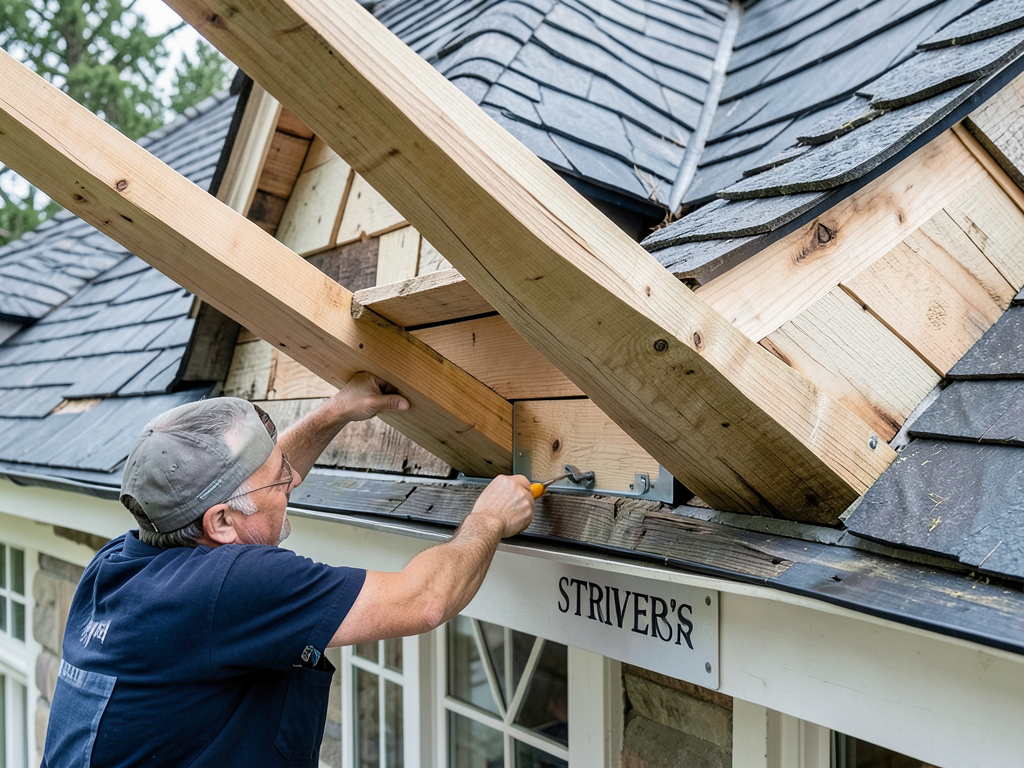
Hidden Structural Issues Often Found Under the Roofs of Striver's Section Victorians

Hidden Structural Issues Often Found Under the Roofs of Striver’s Section Victorians Victorian homes in Washington DC’s Striver’s Section carry…

Sealing Your Leaky Roof Hatch to Save Money on Energy in Near Northeast

Sealing Your Leaky Roof Hatch to Save Money on Energy in Near Northeast Living in Near Northeast means dealing with…

Contact Us

Your roof is critical infrastructure. Stop managing leaks and start planning a replacement that protects your tenants and your bottom line. Call Ace Roofing Washington DC at (771) 240-3300 for a detailed assessment and phased project plan that keeps your building operational.