
Fire Resistant Roofing Materials for High Density Neighborhoods Like NoMa
Living in Washington DC’s NoMa district means enjoying vibrant urban life with easy access to Metro stations, Union Market, and the bustling First Street corridor. But it also means living in close proximity to your neighbors, where a fire on one roof can quickly threaten multiple properties. That’s why fire resistant roofing materials aren’t just a safety feature—they’re often a building code requirement for NoMa’s multi-family and commercial buildings. UL 790 fire testing standards.
Fire ratings measure how well roofing materials prevent flame spread and penetration during a fire. Class A represents the highest level of fire resistance, capable of withstanding severe fire exposure without contributing to the spread. In DC’s dense urban environment, Class A rated materials provide crucial protection for both your property and your neighbors’ safety. DC Department of Buildings.
The right fire resistant roofing system combines tested materials with proper installation techniques to create a complete barrier against fire hazards. Whether you own a historic rowhouse near the NoMa-Gallaudet Metro or a modern condo building along M Street, understanding your options helps you make informed decisions that protect your investment and meet local safety standards. Why Your Capitol Hill Rowhouse Needs a Specialized Flat Roof System.
Understanding Fire Ratings for DC Properties
Fire ratings follow standardized testing procedures established by Underwriters Laboratories. The UL 790 standard tests roofing materials for three key performance factors: flame spread across the surface, ability to resist burning brand penetration, and resistance to intermittent flame exposure.
Class A materials achieve the highest scores across all three tests, withstanding severe fire conditions without contributing to flame spread. Class B materials handle moderate exposure, while Class C materials only resist light fire conditions. In NoMa’s high-density setting, Class A ratings provide the protection needed when buildings sit just feet apart.
The testing process involves exposing materials to burning brands, gas flames, and simulated wind conditions. A Class A rated roof must prevent flame spread beyond ten feet and resist burning brand penetration for at least two hours. These rigorous standards ensure your roof performs when it matters most.
Beyond the visible roofing material, the entire assembly contributes to fire resistance. Underlayment, flashing, and ventilation components must work together to maintain the system’s Class A rating. Using non-rated components can compromise the entire roof’s fire performance.
DC Building Codes and Fire Safety Standards
Washington DC’s building codes incorporate national fire safety standards while addressing the unique challenges of our urban environment. The District of Columbia Municipal Regulations (DCMR) Title 12 establishes specific requirements for fire resistant roofing in different zoning districts and building types. The Real Cost of a Roof Replacement for Washington DC Homeowners.
In NoMa’s mixed-use zoning, most multi-family and commercial buildings require Class A rated roofing materials. The DC Department of Buildings enforces these requirements through the permitting process, ensuring all new installations and major replacements meet current fire safety standards.
Historic preservation adds another layer of complexity. Buildings within the NoMa Historic District or those listed on the DC Inventory of Historic Sites must balance fire safety with architectural integrity. The Historic Preservation Office works with property owners to find fire resistant materials that maintain the building’s historic character. Navigating Historic Preservation Roofing Rules in Dupont Circle.
Local amendments to the International Building Code address DC’s specific concerns. These include enhanced requirements for buildings with rooftop mechanical equipment, which can become ignition sources during electrical failures or equipment malfunctions.
Best Fire-Resistant Roofing Materials for the Mid-Atlantic
Several roofing materials achieve Class A fire ratings while performing well in DC’s climate. Each offers different benefits for NoMa’s urban environment.
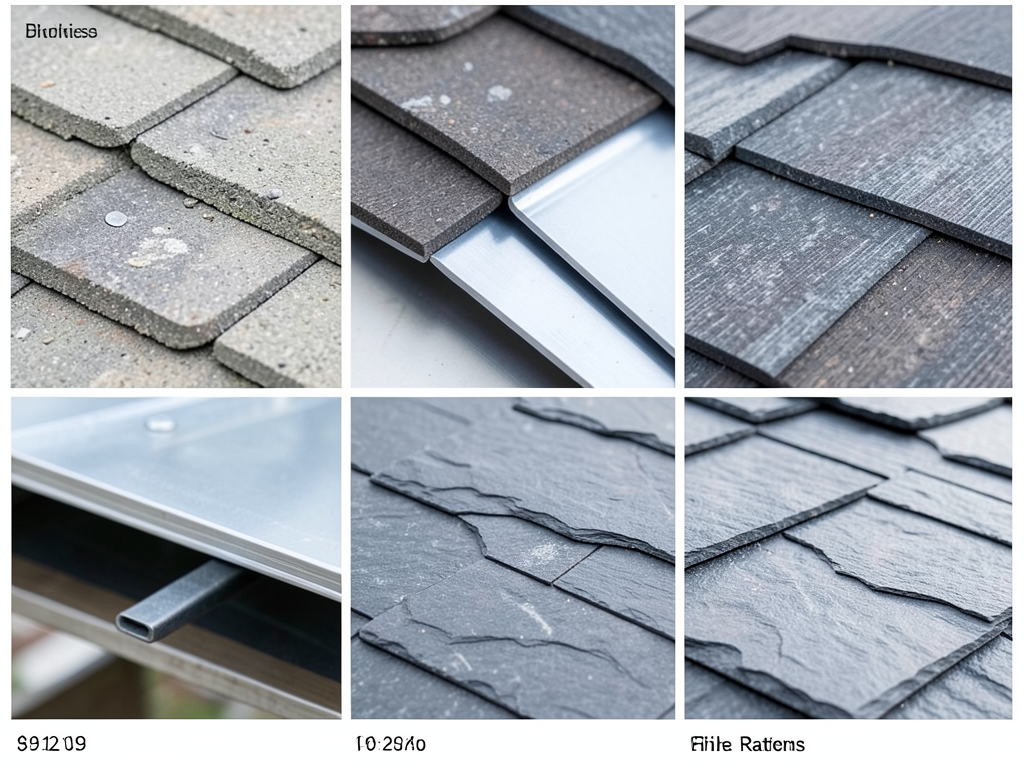
Concrete and clay tiles provide excellent fire resistance with Class A ratings. These materials won’t burn or contribute to flame spread, making them ideal for buildings where maximum protection matters. Their heavy weight requires structural evaluation, but they last 50+ years with minimal maintenance. The Best Flat Roof Maintenance Tips for Petworth Homeowners.
Metal roofing systems, including steel, aluminum, and copper, achieve Class A ratings when properly installed. Metal reflects heat and won’t ignite, making it perfect for NoMa’s modern architecture. Standing seam metal roofs also handle DC’s occasional heavy snow loads better than many alternatives.
Synthetic slate and shake products offer Class A fire resistance while mimicking the appearance of natural materials. These lightweight alternatives install easily on existing structures and provide excellent durability against UV exposure and temperature fluctuations.
Specialized asphalt shingles with fiberglass mats and ceramic granules achieve Class A ratings while maintaining affordability. These materials install quickly and work well on both steep and low-slope applications common in NoMa’s diverse building stock.

Installation Excellence in the District
Even the best fire rated materials fail without proper installation. The assembly approach ensures every component contributes to the system’s overall fire resistance rating.
Fire-retardant underlayment forms the first line of defense beneath the visible roofing material. Products like VersaShield and similar Class A rated underlayments prevent flame penetration through the roof deck. These materials install directly over the roof deck before the primary roofing material goes on.
Proper flashing details around chimneys, vents, and roof edges prevent fire from exploiting gaps in the roofing system. Metal flashing with appropriate fire ratings integrates with the underlayment to create continuous protection.
Ventilation requires special consideration in fire rated assemblies. Some fire rated systems need specific ventilation patterns to maintain their rating while preventing moisture buildup. The balance between fire resistance and proper attic ventilation affects both safety and roof longevity.
Fastener selection impacts fire performance. Using non-rated fasteners or incorrect spacing can create vulnerabilities in the fire barrier. Professional installers follow manufacturer specifications to maintain the system’s tested fire rating.
Our DC Fire-Rated Projects
Throughout NoMa and surrounding DC neighborhoods, we’ve installed Class A rated roofing systems that protect properties while meeting all local requirements. Each project demonstrates how fire resistant materials work in real urban environments.
A recent multi-family building near the NoMa Metro required complete roof replacement with Class A rated materials. The project involved coordinating with the DC Department of Buildings to ensure all permits and inspections met current fire safety standards.
Historic properties in the area present unique challenges. We recently worked with the Historic Preservation Office to install a fire rated synthetic slate system on a Victorian rowhouse, maintaining its architectural character while upgrading its fire protection.
Commercial properties along M Street often require specialized fire rated systems due to their size and proximity to other buildings. These projects involve detailed engineering to ensure the roofing assembly meets both fire safety and structural requirements.
Insurance companies increasingly recognize the value of Class A rated roofing. Many NoMa property owners report premium discounts after upgrading to fire resistant materials, providing both safety benefits and potential cost savings.
Comparing Fire Rated Roofing Options
| Material Type | Fire Rating | Lifespan (Years) | Weight (lbs/sq ft) | Cost per Square |
|---|---|---|---|---|
| Concrete Tile | Class A | 50+ | 9-12 | $800-$1,200 |
| Metal Standing Seam | Class A | 40-70 | 1.5-3 | $700-$1,100 |
| Synthetic Slate | Class A | 40-50 | 2-4 | $500-$800 |
| Class A Asphalt | Class A | 20-30 | 2.5-4 | $350-$550 |
Maintenance and Inspection Guidelines
Fire rated roofing systems require regular maintenance to maintain their protective capabilities. Annual inspections identify potential issues before they compromise the system’s fire resistance.
Check for damaged or missing shingles, tiles, or metal panels that could expose the underlayment to fire hazards. Even small gaps can allow flames to penetrate the roof assembly during a fire event.
Examine flashing details around penetrations, edges, and transitions. Loose or corroded flashing creates pathways for fire to bypass the primary roofing material’s protection.
Clear debris from valleys, gutters, and roof surfaces. Accumulated leaves, branches, and other combustible materials can become ignition sources during a fire, even on Class A rated roofs.
Monitor ventilation systems to ensure they function properly without compromising fire resistance. Blocked vents can cause moisture problems that weaken the roof structure over time.
Document all maintenance activities and repairs. This record helps demonstrate compliance with insurance requirements and building code inspections.
Insurance Benefits and Cost Considerations
Class A rated roofing often qualifies for insurance premium discounts in Washington DC. Insurance companies recognize that fire resistant materials reduce risk, translating to lower premiums for property owners.
The initial cost premium for fire rated materials typically ranges from 15% to 50% above standard roofing options. However, the extended lifespan of many fire rated materials offsets this difference over time.
Consider the total cost of ownership rather than just installation price. Class A rated concrete tiles might cost more upfront but last twice as long as standard asphalt shingles, reducing long-term replacement expenses.
Energy efficiency provides additional savings. Many fire rated materials, particularly metal and light-colored tiles, reflect solar heat better than standard options, reducing cooling costs during DC’s hot summers.
Property value often increases with fire rated roofing installations. Buyers recognize the safety benefits and potential insurance savings, making your property more attractive in NoMa’s competitive real estate market.
Frequently Asked Questions
Do all NoMa buildings require Class A rated roofing?
Most multi-family and commercial buildings in NoMa’s mixed-use zoning require Class A rated materials. Single-family homes and historic properties may have different requirements based on their specific characteristics and location within historic districts.
How much does Class A rated roofing cost compared to standard options?
Class A rated materials typically cost 15% to 50% more than standard roofing. However, their longer lifespan, potential insurance discounts, and enhanced property value often offset the higher initial investment over time.
Can I install fire rated roofing over my existing roof?
It depends on your current roof’s condition and the new material’s requirements. Some fire rated systems can install over existing roofs, while others require complete removal. A professional inspection determines the best approach for your specific situation.
How long does fire rated roofing last?
Lifespan varies by material. Concrete and clay tiles last 50+ years, metal roofing 40-70 years, synthetic slate 40-50 years, and Class A rated asphalt shingles 20-30 years. All significantly outlast standard roofing materials.
Will fire rated roofing help with insurance costs?
Yes, many insurance companies offer premium discounts for Class A rated roofing. The exact discount varies by insurer and property characteristics, but savings often range from 5% to 15% on annual premiums.
Making the Right Choice for Your NoMa Property
Selecting the best fire rated roofing system involves balancing multiple factors including building codes, architectural style, budget, and long-term goals. The right choice protects your property while enhancing its value and appearance.
Consider your building’s specific requirements. Historic properties need materials that maintain architectural integrity while meeting modern fire safety standards. Modern buildings might prioritize energy efficiency alongside fire resistance.
Evaluate your long-term plans. If you intend to stay in your NoMa property for many years, investing in premium fire rated materials with longer lifespans makes financial sense. If you plan to sell soon, focus on materials that enhance curb appeal and property value.
Factor in local climate conditions. DC’s humidity, occasional heavy snow, and summer heat affect roofing material performance. Choose systems that handle these conditions while maintaining their fire resistance.
Work with experienced professionals who understand NoMa’s specific requirements. Proper installation ensures your fire rated system performs as tested, providing the protection you need.
Next Steps for Your Fire Resistant Roof
Ready to upgrade your NoMa property with Class A rated fire resistant roofing? The process starts with a professional inspection to assess your current roof’s condition and identify the best options for your specific building. How to Get Your Roof Ready for a DC Winter in Chevy Chase.
We’ll evaluate your structure’s requirements, discuss material options that match your architectural style and budget, and provide detailed recommendations. Our team understands NoMa’s unique building codes and can navigate the permitting process efficiently.
Don’t wait until fire safety becomes an emergency. Contact us today to schedule your free consultation and learn how Class A rated roofing can protect your NoMa property while potentially reducing your insurance costs.
Call (771) 240-3300 today to schedule your inspection and take the first step toward a safer, more valuable property.
{
“@context”: “https://schema.org”,
“@type”: “BlogPosting”,
“headline”: “Fire Resistant Roofing Materials for High Density Neighborhoods Like NoMa”,
“description”: “Discover Class A fire rated roofing materials perfect for DC’s dense neighborhoods. Learn about UL 790 standards, DC building codes, and the best fire-resistant options for your NoMa property.”,
“wordCount”: 2015,
“datePublished”: “2026-04-10T13:49:00.000Z”,
“dateModified”: “2026-04-10T13:49:00.000Z”,
“inLanguage”: “en-US”,
“mainEntityOfPage”: {
“@type”: “WebPage”,
“@id”: “https://aceroofingwashingtondc.com”
},
“publisher”: {
“@type”: “LocalBusiness”,
“name”: “Ace Roofing Washington DC”,
“url”: “https://aceroofingwashingtondc.com”
},
“author”: {
“@type”: “Organization”,
“name”: “Ace Roofing Washington DC”,
“url”: “https://aceroofingwashingtondc.com”
},
“image”: {
“@type”: “ImageObject”,
“url”: “https://aceroofingwashingtondc.com/wp-content/uploads/2026/03/fire-resistant-roofing-materials-for-high-density-1.png”
}
}
{
“@context”: “https://schema.org”,
“@type”: “RoofingContractor”,
“name”: “Ace Roofing Washington DC”,
“url”: “https://aceroofingwashingtondc.com”,
“address”: {
“@type”: “PostalAddress”,
“addressLocality”: “Washington DC”
},
“areaServed”: {
“@type”: “City”,
“name”: “Washington DC”
}
}
{
“@context”: “https://schema.org”,
“@type”: “FAQPage”,
“mainEntity”: [
{
“@type”: “Question”,
“name”: “Do all NoMa buildings require Class A rated roofing?”,
“acceptedAnswer”: {
“@type”: “Answer”,
“text”: “Most multi-family and commercial buildings in NoMa’s mixed-use zoning require Class A rated materials. Single-family homes and historic properties may have different requirements based on their specific characteristics and location within historic districts.”
}
},
{
“@type”: “Question”,
“name”: “How much does Class A rated roofing cost compared to standard options?”,
“acceptedAnswer”: {
“@type”: “Answer”,
“text”: “Class A rated materials typically cost 15% to 50% more than standard roofing. However, their longer lifespan, potential insurance discounts, and enhanced property value often offset the higher initial investment over time.”
}
},
{
“@type”: “Question”,
“name”: “How long does fire rated roofing last?”,
“acceptedAnswer”: {
“@type”: “Answer”,
“text”: “Lifespan varies by material. Concrete and clay tiles last 50+ years, metal roofing 40-70 years, synthetic slate 40-50 years, and Class A rated asphalt shingles 20-30 years. All significantly outlast standard roofing materials.”
}
},
{
“@type”: “Question”,
“name”: “Will fire rated roofing help with insurance costs?”,
“acceptedAnswer”: {
“@type”: “Answer”,
“text”: “Yes, many insurance companies offer premium discounts for Class A rated roofing. The exact discount varies by insurer and property characteristics, but savings often range from 5% to 15% on annual premiums.”
}
}
]
}
{
“@context”: “https://schema.org”,
“@type”: “BreadcrumbList”,
“itemListElement”: [
{
“@type”: “ListItem”,
“position”: 1,
“name”: “Home”,
“item”: “https://aceroofingwashingtondc.com”
},
{
“@type”: “ListItem”,
“position”: 2,
“name”: “Blog”,
“item”: “https://aceroofingwashingtondc.com/blog”
},
{
“@type”: “ListItem”,
“position”: 3,
“name”: “Fire Resistant Roofing Materials for High Density Neighborhoods Like NoMa”
}
]
}
{
“@context”: “https://schema.org”,
“@type”: “Service”,
“serviceType”: “Roofing”,
“provider”: {
“@type”: “LocalBusiness”,
“name”: “Ace Roofing Washington DC”,
“url”: “https://aceroofingwashingtondc.com”
},
“areaServed”: {
“@type”: “City”,
“name”: “Washington DC”
},
“description”: “Discover Class A fire rated roofing materials perfect for DC’s dense neighborhoods. Learn about UL 790 standards, DC building codes, and the best fire-resistant options for your NoMa property.”
}