
Is Your Crumbling Chimney Causing a Roof Leak in Your Fort Totten Home?
That dark stain on your ceiling near the fireplace isn’t just an eyesore—it’s a warning sign that water is finding its way through your roof. In Fort Totten’s older homes, the culprit is often a chimney that’s slowly deteriorating from years of freeze-thaw cycles and Washington DC’s humid climate. When chimney mortar crumbles and flashing fails, water seeps in around the chimney stack, causing damage that spreads fast through your roof deck and into your living space. DC Historic Preservation Office requirements.
Fort Totten’s mix of early 20th-century rowhouses and single-family homes means many chimneys are reaching the end of their lifespan. The clay-rich soil here causes slight foundation shifts that crack mortar joints, while the area’s mature trees drop debris that traps moisture against chimney crowns. These local conditions create a perfect storm for chimney-related roof leaks that most homeowners don’t spot until serious damage occurs. Why Your Capitol Hill Rowhouse Needs a Specialized Flat Roof System.
How to Spot Chimney-Related Roof Damage in Fort Totten
Before the next heavy rain turns your ceiling into a waterfall, learn to recognize the warning signs. Chimney damage often starts small but accelerates quickly once water finds its way inside.
- Check the Mortar Joints
Use a screwdriver to gently probe the mortar between bricks. If it crumbles or falls out easily, water has already begun deteriorating the structure. How to Get Your Roof Ready for a DC Winter in Chevy Chase.
- Examine the Flashing
Look for bent, rusted, or missing metal flashing where the chimney meets the roof. This is the most common entry point for water.
- Inspect the Chimney Crown
Cracks in the concrete crown allow water to penetrate the chimney’s interior, where freeze-thaw cycles cause expansion damage.
- Look for Interior Water Stains
Brown or yellow stains on ceiling drywall near the fireplace indicate active leaks that need immediate attention.
- Check for Efflorescence
White, chalky deposits on exterior brick signal that water is moving through the masonry and evaporating, leaving mineral deposits.
Common Chimney Problems in Fort Totten Homes
Fort Totten’s housing stock presents unique challenges for chimney maintenance. The neighborhood’s proximity to Rock Creek Park means many homes sit on sloped lots where water runoff concentrates around foundations and chimneys. The Best Flat Roof Maintenance Tips for Petworth Homeowners.
Older Federal-style rowhouses in the area often feature shared chimney stacks that complicate repairs. When one homeowner addresses chimney issues, it can affect adjacent properties. The DC Historic Preservation Review Board also imposes specific requirements for visible chimney repairs in this neighborhood, particularly for homes near Fort Totten Park. Navigating Historic Preservation Roofing Rules in Dupont Circle.
Many Fort Totten chimneys were built with soft clay bricks that absorb moisture readily. Combined with Washington’s freeze-thaw cycles, these bricks expand and contract, eventually causing spalling—when the brick surface flakes off in layers. Once spalling begins, the chimney’s structural integrity declines rapidly. The Real Cost of a Roof Replacement for Washington DC Homeowners.
The Critical Connection Between Chimney and Roof Integrity
Your chimney and roof form an integrated system. When one fails, the other suffers. The chimney’s weight requires proper roof support, while the roof protects the chimney from water damage. This interdependence means chimney repairs often require coordinated roofing work.
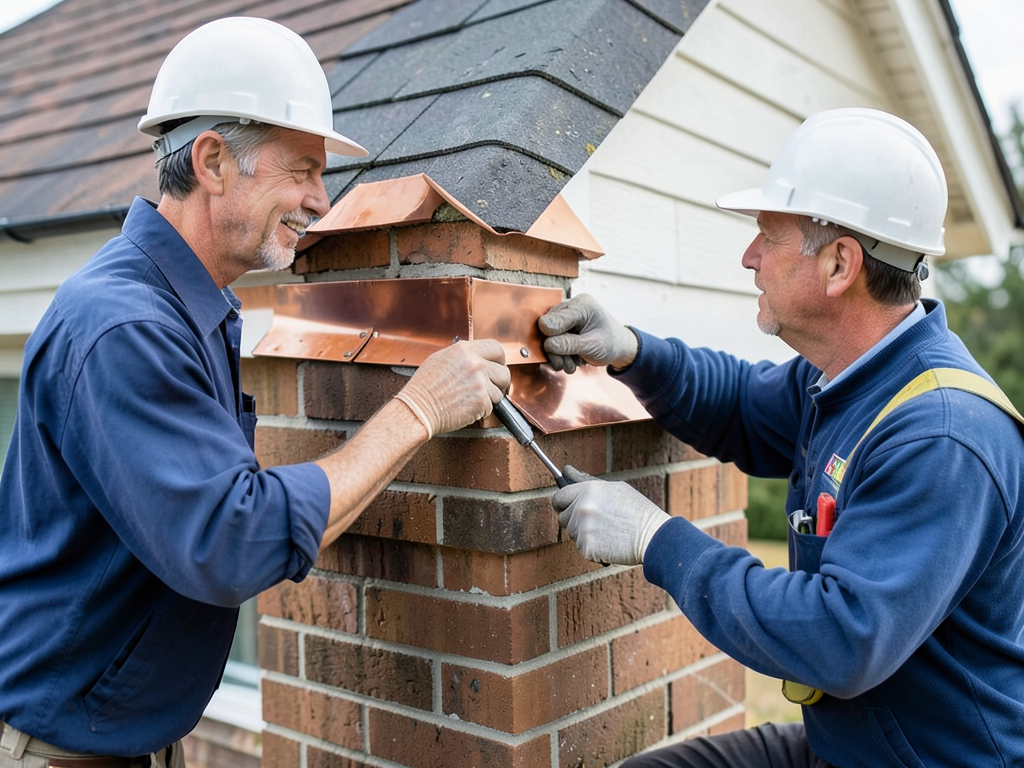
Flashing—the metal strips that seal the gap between chimney and roof—represents the most vulnerable point. In Fort Totten’s older homes, original flashing often consists of lead or copper that has corroded over decades. Modern building codes (International Residential Code Section R903.3) require specific flashing techniques that many older chimneys lack. International Residential Code Section R903.3.
The chimney crown, that concrete cap at the very top, must slope away from the flue to shed water. Many Fort Totten chimneys have flat or improperly sloped crowns that allow water pooling, accelerating deterioration. A properly installed crown should extend beyond the brick edges with a drip edge to prevent water from running down the chimney sides.
Professional Chimney Repair Solutions for Fort Totten
Effective chimney repair requires understanding both the masonry work and how it integrates with your roofing system. Here’s what professional repair typically involves:
| Repair Type | Process | Materials |
|---|---|---|
| Tuckpointing | Remove deteriorated mortar and replace with new mortar matching original composition | Type N or Type S mortar, tinted to match existing |
| Flashing Replacement | Remove old flashing, install new step flashing integrated with roof shingles | Galvanized steel or copper flashing, ice and water shield |
| Crown Repair | Repair cracks or pour new concrete crown with proper slope and expansion joints | High-strength concrete, bonding agent |
| Chimney Cap Installation | Install stainless steel or copper cap to prevent water and animal entry | 304 stainless steel or copper, mesh screening |
DC Building Code Requirements for Chimney Repairs
Chimney repairs in Washington DC must comply with both the International Residential Code and local amendments. The DC Construction Codes Supplement requires that all masonry chimneys maintain specific clearances from combustible materials and include proper flue liners.
For Fort Totten homes, additional considerations apply. The DC Historic Preservation Office reviews any visible exterior changes to chimneys in designated historic districts. This means repair materials must match existing masonry in color, texture, and size. The office often requires preservation of original clay flue liners even when replacement would be more practical.
Building permits through the DC Department of Buildings (DOB) are required for structural chimney repairs. The permit process includes inspection of existing conditions and approval of repair methods. Working without permits can result in fines and complications when selling your home.
Preventing Future Chimney and Roof Problems
Once your chimney is repaired, ongoing maintenance prevents repeat problems. Fort Totten’s climate demands specific seasonal care routines.
Spring inspections should check for winter damage from freeze-thaw cycles. Look for new cracks in mortar or the chimney crown that formed during cold weather. Summer maintenance focuses on clearing debris from the chimney crown and checking flashing after spring storms.
Fall preparation involves ensuring the chimney crown and flashing are ready for winter moisture. Consider applying a masonry sealer designed for clay brick to reduce water absorption. However, avoid silicone-based sealers that trap moisture inside the brick.
Winter requires monitoring for ice dam formation around the chimney base. Ice dams can force water under flashing and into your home. Proper attic insulation and ventilation prevent the freeze-thaw cycles that create ice dams.
Why DIY Chimney Repairs Often Fail
Many Fort Totten homeowners attempt chimney repairs themselves, only to face recurring leaks. The complexity of integrating masonry work with roofing systems makes professional expertise essential.
Common DIY mistakes include using the wrong mortar type—standard mortar differs significantly from historic lime-based mortars used in older homes. Another frequent error involves improper flashing installation that doesn’t integrate with existing roofing materials.
Water always finds the path of least resistance. Amateur repairs often address visible damage while missing underlying issues like deteriorated flue liners or structural movement. Professional chimney repair includes diagnostic assessment using moisture meters and thermal imaging to identify all problem areas.
The Cost of Ignoring Chimney Damage
Delaying chimney repairs multiplies damage costs exponentially. What starts as a $500 flashing repair becomes a $5,000 project when water damages roof decking, attic insulation, and ceiling drywall.
Insurance companies often deny claims for damage resulting from neglected maintenance. Most policies exclude coverage for wear and tear, meaning homeowners bear the full cost of preventable damage.
Beyond financial costs, chimney leaks create health hazards. Moisture intrusion promotes mold growth in wall cavities and attic spaces. The dark, enclosed spaces around chimneys provide ideal conditions for toxic mold species that can affect respiratory health.
Choosing the Right Contractor for Chimney and Roof Repairs
Not all roofing contractors understand chimney systems. Look for professionals with specific experience in both masonry and roofing integration. Ask for examples of similar projects in Fort Totten or nearby neighborhoods.
Verify licensing through the DC Department of Consumer and Regulatory Affairs (DCRA). Contractors must hold both home improvement licenses and, for chimney work, potentially master mason certifications depending on project scope.
Request references from recent chimney repair customers. Quality contractors provide detailed proposals outlining materials, methods, and timelines. Be wary of contractors offering quick fixes or refusing to obtain required permits.
Emergency Response for Active Leaks
When water is actively entering your home through chimney damage, immediate action prevents further destruction. First, contain interior water with buckets and tarps to protect flooring and furniture.
Document damage with photos for insurance purposes before beginning cleanup. Many homeowners discover that seemingly minor leaks have caused extensive hidden damage in walls and ceilings.
Emergency tarping can provide temporary protection, but it’s crucial to address the underlying masonry and flashing issues. Temporary fixes often fail when the next storm hits, potentially causing more damage than the original leak.
Frequently Asked Questions
How can I tell if my chimney is causing my roof leak?
Look for water stains on ceilings near the fireplace, check for deteriorated mortar joints, and examine flashing where the chimney meets the roof. Active leaks often show up during or immediately after rain.
Does homeowners insurance cover chimney repairs?
Insurance typically covers sudden damage from events like storms but excludes wear and tear from neglect. Regular maintenance is essential for coverage eligibility.
How long do chimney repairs take?
Minor repairs like tuckpointing might take 1-2 days, while comprehensive chimney rebuilds can require a week or more depending on weather and permit approvals.
Can I repair my chimney myself?
DIY repairs often fail because chimney systems require expertise in both masonry and roofing integration. Professional repairs include proper materials and techniques that ensure lasting results.
What’s the average cost for chimney repair in Fort Totten?
Costs vary widely based on damage extent. Simple flashing repairs start around $500, while complete chimney rebuilds can exceed $10,000 for historic homes requiring special materials.

[IMAGE_PLACEHOLDER_3>
Protect Your Fort Totten Home Today
Don’t wait for the next storm to discover your chimney’s true condition. Small cracks today become major leaks tomorrow, especially during Washington’s heavy summer thunderstorms. A professional inspection can identify problems while they’re still manageable and affordable to fix.
Call (771) 240-3300 today to schedule your chimney and roof inspection. Our Fort Totten specialists understand the unique challenges of your neighborhood’s historic homes and can provide lasting solutions that protect your investment for years to come.
Pick up the phone and call (771) 240-3300 before the next storm hits. Early intervention saves thousands in potential water damage repairs and gives you peace of mind knowing your home is protected from the top down.
{
“@context”: “https://schema.org”,
“@type”: “BlogPosting”,
“headline”: “Is Your Crumbling Chimney Causing a Roof Leak in Your Fort Totten Home?”,
“description”: “Cracked chimney mortar and failing flashing are the #1 cause of roof leaks in Fort Totten’s older homes. Learn how to spot and fix the problem before water damage spreads.”,
“wordCount”: 1761,
“datePublished”: “2026-04-08T13:39:00.000Z”,
“dateModified”: “2026-04-08T13:39:00.000Z”,
“inLanguage”: “en-US”,
“mainEntityOfPage”: {
“@type”: “WebPage”,
“@id”: “https://aceroofingwashingtondc.com”
},
“publisher”: {
“@type”: “LocalBusiness”,
“name”: “Ace Roofing Washington DC”,
“url”: “https://aceroofingwashingtondc.com”
},
“author”: {
“@type”: “Organization”,
“name”: “Ace Roofing Washington DC”,
“url”: “https://aceroofingwashingtondc.com”
},
“image”: {
“@type”: “ImageObject”,
“url”: “https://aceroofingwashingtondc.com/wp-content/uploads/2026/03/is-your-crumbling-chimney-causing-a-roof-leak-in-y-1.png”
}
}
{
“@context”: “https://schema.org”,
“@type”: “RoofingContractor”,
“name”: “Ace Roofing Washington DC”,
“url”: “https://aceroofingwashingtondc.com”,
“address”: {
“@type”: “PostalAddress”,
“addressLocality”: “Washington DC”
},
“areaServed”: {
“@type”: “City”,
“name”: “Washington DC”
}
}
{
“@context”: “https://schema.org”,
“@type”: “FAQPage”,
“mainEntity”: [
{
“@type”: “Question”,
“name”: “How can I tell if my chimney is causing my roof leak?”,
“acceptedAnswer”: {
“@type”: “Answer”,
“text”: “Look for water stains on ceilings near the fireplace, check for deteriorated mortar joints, and examine flashing where the chimney meets the roof. Active leaks often show up during or immediately after rain.”
}
},
{
“@type”: “Question”,
“name”: “Does homeowners insurance cover chimney repairs?”,
“acceptedAnswer”: {
“@type”: “Answer”,
“text”: “Insurance typically covers sudden damage from events like storms but excludes wear and tear from neglect. Regular maintenance is essential for coverage eligibility.”
}
},
{
“@type”: “Question”,
“name”: “How long do chimney repairs take?”,
“acceptedAnswer”: {
“@type”: “Answer”,
“text”: “Minor repairs like tuckpointing might take 1-2 days, while comprehensive chimney rebuilds can require a week or more depending on weather and permit approvals.”
}
},
{
“@type”: “Question”,
“name”: “Can I repair my chimney myself?”,
“acceptedAnswer”: {
“@type”: “Answer”,
“text”: “DIY repairs often fail because chimney systems require expertise in both masonry and roofing integration. Professional repairs include proper materials and techniques that ensure lasting results.”
}
},
{
“@type”: “Question”,
“name”: “What’s the average cost for chimney repair in Fort Totten?”,
“acceptedAnswer”: {
“@type”: “Answer”,
“text”: “Costs vary widely based on damage extent. Simple flashing repairs start around $500, while complete chimney rebuilds can exceed $10,000 for historic homes requiring special materials.”
}
}
]
}
{
“@context”: “https://schema.org”,
“@type”: “HowTo”,
“name”: “How to Inspect Your Chimney for Damage”,
“step”: [
{
“@type”: “HowToStep”,
“position”: 1,
“name”: “Check the Mortar Joints”,
“text”: “Use a screwdriver to gently probe the mortar between bricks. If it crumbles or falls out easily, water has already begun deteriorating the structure. How to Get Your Roof Ready for a DC Winter in Chevy Chase.”
},
{
“@type”: “HowToStep”,
“position”: 2,
“name”: “Examine the Flashing”,
“text”: “Look for bent, rusted, or missing metal flashing where the chimney meets the roof. This is the most common entry point for water.”
},
{
“@type”: “HowToStep”,
“position”: 3,
“name”: “Inspect the Chimney Crown”,
“text”: “Cracks in the concrete crown allow water to penetrate the chimney’s interior, where freeze-thaw cycles cause expansion damage.”
},
{
“@type”: “HowToStep”,
“position”: 4,
“name”: “Look for Interior Water Stains”,
“text”: “Brown or yellow stains on ceiling drywall near the fireplace indicate active leaks that need immediate attention.”
},
{
“@type”: “HowToStep”,
“position”: 5,
“name”: “Check for Efflorescence”,
“text”: “White, chalky deposits on exterior brick signal that water is moving through the masonry and evaporating, leaving mineral deposits.”
}
],
“image”: “https://aceroofingwashingtondc.com/wp-content/uploads/2026/03/is-your-crumbling-chimney-causing-a-roof-leak-in-y-1.png”
}
{
“@context”: “https://schema.org”,
“@type”: “BreadcrumbList”,
“itemListElement”: [
{
“@type”: “ListItem”,
“position”: 1,
“name”: “Home”,
“item”: “https://aceroofingwashingtondc.com”
},
{
“@type”: “ListItem”,
“position”: 2,
“name”: “Blog”,
“item”: “https://aceroofingwashingtondc.com/blog”
},
{
“@type”: “ListItem”,
“position”: 3,
“name”: “Is Your Crumbling Chimney Causing a Roof Leak in Your Fort Totten Home?”
}
]
}
{
“@context”: “https://schema.org”,
“@type”: “Service”,
“serviceType”: “Roofing”,
“provider”: {
“@type”: “LocalBusiness”,
“name”: “Ace Roofing Washington DC”,
“url”: “https://aceroofingwashingtondc.com”
},
“areaServed”: {
“@type”: “City”,
“name”: “Washington DC”
},
“description”: “Cracked chimney mortar and failing flashing are the #1 cause of roof leaks in Fort Totten’s older homes. Learn how to spot and fix the problem before water damage spreads.”
}