
Coordinating a New Roof Installation with Your HVAC Replacement in Georgetown
Georgetown homeowners face a unique challenge when replacing both their roof and HVAC system. The timing coordination between these two major projects can mean the difference between a smooth installation and thousands in rework costs. When your roofer and HVAC technician aren’t on the same page, you risk punctured membranes, voided warranties, and emergency crane rescheduling in narrow Georgetown alleys.. Read more about Could a New Roof Lower Your Homeowners Insurance Premiums in Kalorama Triangle?.
The key is understanding that roof-mounted HVAC units require specific curb heights, flashing details, and condensate line routing that must be integrated during the roofing installation. A standard HVAC replacement timeline of 2-3 days doesn’t account for the roof preparation needed to support the equipment. Georgetown’s historic district regulations add another layer of complexity, requiring permits from both the DC Department of Buildings and the Historic Preservation Review Board. DC Department of Buildings.
Most homeowners don’t realize that HVAC work on a new roof can void the roofing warranty if not done properly. The flashing around HVAC curbs needs to be installed by the roofer, not the HVAC technician, to maintain warranty integrity. Georgetown’s older buildings often have structural considerations that affect both roof and mechanical system sizing. The right coordination prevents the nightmare scenario of a new roof getting punctured during HVAC installation or a crane being unable to access your building due to narrow streets and utility lines. Roofing Rockville.
Call (771) 240-3300 today to schedule your inspection and avoid costly coordination mistakes.
Why Timing Matters: Replacing Your Roof and HVAC Simultaneously
Roof and HVAC replacement timing isn’t just about convenience—it’s about preventing expensive mistakes. When these projects overlap incorrectly, you end up paying for the same work twice. The HVAC technician needs access to the roof deck to install curbs, sleepers, and mounting hardware before the roofing membrane goes down. If they arrive after the roof is complete, they’ll have to cut through new material, creating leak points and warranty issues. The Real Cost of a Roof Replacement for Washington DC Homeowners.
Georgetown’s historic district buildings present unique timing challenges. Many structures have limited roof access through narrow stairwells or require crane lifts through the front of the building. Coordinating these lifts with both trades means scheduling the crane for when both the roofer and HVAC technician are ready to work together. Missing this window means rescheduling and paying crane fees twice. How to Get Your Roof Ready for a DC Winter in Chevy Chase.
The ideal timeline starts with roof demolition and structural repairs, followed by HVAC curb installation by the roofer, then roofing membrane installation, and finally HVAC equipment mounting. This sequence prevents damage to new roofing and ensures proper flashing integration. Georgetown’s humid summers and occasional winter storms mean your building needs both systems operating at peak efficiency without compromising the other.
Most Georgetown buildings have roof-mounted package units that serve the entire structure. These units weigh between 500-3,000 pounds and require specific structural reinforcement before installation. The roofer needs to know the exact equipment specifications to provide proper support and flashing details. Waiting until after roofing to order HVAC equipment often results in delays and coordination failures.
Georgetown’s utility infrastructure adds another timing consideration. PEPCO requires line shielding during crane operations, and DDOT needs 5-7 business days to approve street closures for equipment lifts. Starting both projects simultaneously without this coordination leads to work stoppages and emergency rescheduling fees.
Call (771) 240-3300 today to schedule your inspection and avoid costly coordination mistakes.
Critical Technical Points: HVAC Curbs, Flashing, and Sleepers
The technical details of HVAC-to-roof integration determine whether your installation succeeds or fails. HVAC curbs serve as the mounting platform for roof-mounted units and must be installed by the roofer before the membrane goes down. Standard curb height in Georgetown is 8 inches minimum per NRCA guidelines, but many buildings require 12-16 inches to accommodate drainage and equipment clearance.
Flashing details around HVAC curbs require specific materials and installation methods. The curb-to-roof transition needs counter-flashing that extends at least 6 inches up the curb face and is mechanically fastened to prevent wind uplift. Georgetown’s historic buildings often have parapet walls that require custom flashing solutions to maintain the original aesthetic while providing weatherproofing. Navigating Historic Preservation Roofing Rules in Dupont Circle.
Sleepers provide the leveling and vibration isolation for HVAC units. These pressure-treated wood or composite blocks must be installed on a solid substrate and shimmed to within 1/8 inch of level. Vibration isolation rails prevent equipment movement from transferring to the roof structure, extending both HVAC and roof life. Georgetown’s older buildings often require additional vibration dampening due to original wood framing.
Condensate lines need proper routing to prevent roof deck rot. The condensate drain must slope at least 1/4 inch per foot toward the roof drain or exterior wall. Georgetown’s flat roof designs require secondary condensate pans with overflow drains to prevent interior water damage. The roofer installs these pans as part of the membrane system.. Read more about Why Water is Dripping from Your Attic Ceiling Even When It’s Not Raining in Edgewood.
Refrigerant lines running through the roof require specialized pitch pockets with flexible seals that accommodate thermal expansion. Georgetown’s temperature swings of 60+ degrees mean refrigerant lines expand and contract significantly. Standard pitch pockets crack within 2-3 years if not designed for this movement, causing leaks that damage both roof and interior spaces.
Georgetown’s building density means roof-mounted equipment must comply with District of Columbia Green Area Ratio requirements. HVAC units cannot cover more than 25% of the roof area without additional green space compensation. This affects both equipment sizing and roof layout planning.
Call (771) 240-3300 today to schedule your inspection and avoid costly coordination mistakes.
DC Building Codes: What You Need to Know for Roof-Mounted Units
DC building codes create specific requirements for roof-mounted HVAC equipment that affect both installation timing and methods. The DC Construction Codes Supplement mandates minimum clearances of 3 feet around all mechanical equipment for maintenance access. Georgetown’s historic district buildings often have less than this clearance, requiring special exceptions from the Historic Preservation Review Board. The Best Flat Roof Maintenance Tips for Petworth Homeowners.
The District of Columbia Energy Code requires minimum R-values for roof insulation based on building use and location. Georgetown’s mixed-use buildings often need R-30 or higher insulation under HVAC equipment to meet these standards. This affects the roof assembly thickness and must be coordinated with the HVAC technician’s curb height requirements.
DC’s Green Area Ratio requirements affect roof-mounted equipment placement. Buildings in Georgetown must maintain at least 20% green roof coverage or provide equivalent off-site green space. HVAC units count against this ratio, potentially requiring green roof installation or additional permitting for mechanical-only roofs.
The DC Fire Code requires specific access pathways to roof-mounted equipment for emergency responders. These pathways must be at least 3 feet wide and have a maximum slope of 1:12. Georgetown’s older buildings often need structural modifications to meet these requirements, affecting both roof and HVAC installation timing.
Noise regulations in DC limit rooftop equipment sound levels to 60 decibels at adjacent properties. Georgetown’s dense urban environment means many buildings require sound attenuation equipment or strategic equipment placement to meet these standards. This affects both equipment selection and installation location.
DC Water’s stormwater management regulations require proper drainage for all roof-mounted equipment. Condensate lines must connect to the building’s stormwater system or have dedicated drainage to prevent foundation damage. Georgetown’s combined sewer system requires additional permitting for new drainage connections.
Building permits for roof-mounted HVAC work require detailed structural calculations showing the roof can support the equipment weight. Georgetown’s older buildings often need reinforcement before installation. The permit process takes 2-4 weeks, affecting project timing and coordination between trades.
Call (771) 240-3300 today to schedule your inspection and avoid costly coordination mistakes.
The Crane Logistics: Coordinating Street Closures in DC Neighborhoods
Georgetown’s narrow streets and dense utility infrastructure make crane operations complex and expensive. A standard HVAC crane requires 30 feet of street width and 100 feet of approach clearance. Many Georgetown alleys provide only 15-20 feet of width, requiring special permits and traffic control plans from DDOT.
PEPCO requires utility line shielding for any crane operation within 10 feet of overhead lines. Georgetown’s utility infrastructure often runs directly above building access points, requiring line shutdowns and additional coordination. These shutdowns must be scheduled during off-peak hours and can add 2-3 days to project timelines.
DDOT’s street closure permit process takes 5-7 business days minimum. Rush permits cost 50% more and still require 48-hour notice. Georgetown’s historic district adds another layer of review, potentially extending permit timelines to 10-14 days. Starting both projects without these permits leads to work stoppages and emergency fees.
Crane staging areas in Georgetown must accommodate both roofer and HVAC equipment. The crane needs to lift roofing materials, HVAC units, and sometimes structural steel for equipment support. Multiple crane lifts increase costs by 30-40% and require additional street closure time.
Georgetown’s parking regulations affect crane logistics. Residential permit parking zones restrict non-resident vehicles during specific hours. Crane operations during these restricted hours require additional permits and police presence, adding $500-1,000 to project costs.
Weather affects crane operations significantly in Georgetown. Wind speeds over 20 mph ground most cranes for safety. Georgetown’s location near the Potomac River creates unpredictable wind patterns that can ground cranes for days. Having both trades on-site without crane access wastes labor and delays projects.
Georgetown’s historic buildings often require specialized rigging equipment. Many structures cannot support standard crane loads, requiring spreader bars, lift beams, or even helicopter lifts for large equipment. These specialized lifts cost 2-3 times standard crane rates and require additional permitting.
Call (771) 240-3300 today to schedule your inspection and avoid costly coordination mistakes.
Protecting Your Warranty: How HVAC Work Can Void a Roofing Warranty
Roofing warranties specifically exclude damage from other trades working on the roof. Most NDL (No Dollar Limit) warranties become void if HVAC technicians puncture the membrane, install improper flashing, or fail to seal penetrations correctly. Georgetown homeowners often discover this exclusion only after water damage occurs.
The flashing detail around HVAC curbs determines warranty validity. Roofing manufacturers require specific materials and installation methods for curb flashing. Georgetown’s temperature extremes require expansion joints that many HVAC technicians don’t install correctly. Missing these details voids the warranty regardless of roof quality.
Penetrations through the roofing membrane from refrigerant lines or condensate drains must be sealed with manufacturer-approved materials. Georgetown’s building movement from traffic vibration and temperature changes requires flexible seals that HVAC technicians often skip to save time. These shortcuts lead to leaks within months.
Roofing warranties require minimum slopes for drainage. HVAC equipment placement can create ponding areas if not positioned correctly. Georgetown’s flat roof designs need precise grading to meet warranty requirements. HVAC technicians unfamiliar with roofing principles often block drainage paths, causing water accumulation and membrane failure.
Georgetown’s historic buildings often have weight restrictions that affect both roof and HVAC warranties. Exceeding these limits voids both warranties and can cause structural damage. The roofer must verify structural capacity before installation, and the HVAC technician must select appropriately sized equipment.
Georgetown’s high humidity creates specific warranty considerations. Moisture trapped under HVAC equipment leads to mold growth and material degradation. Roofing warranties exclude damage from biological growth if proper ventilation isn’t maintained. This requires specific curb design and equipment placement that many HVAC technicians overlook.
Georgetown’s freeze-thaw cycles create expansion and contraction that affects warranty coverage. Materials must accommodate 40-50 degree temperature swings without cracking or separating. Standard HVAC flashing materials often fail within one winter, voiding warranties and causing leaks.
Georgetown’s building codes require specific fire ratings for roof assemblies. HVAC equipment placement can affect these ratings if not installed correctly. Warranty exclusions often include fire code violations, making proper coordination essential for coverage.
Call (771) 240-3300 today to schedule your inspection and avoid costly coordination mistakes.
Step-by-Step Coordination Checklist for Property Managers
- Initial Assessment
Schedule both roofer and HVAC contractor for site visit within 48 hours. Provide building plans, equipment specifications, and access details. Georgetown’s historic district requires HPRB approval for exterior modifications.
- Permit Acquisition
Submit DOB permit for roofing work and separate permit for mechanical work. Georgetown’s HPRB review adds 2-3 weeks to standard 2-4 week permit timeline. Start permit process 8-10 weeks before desired start date.
- Structural Engineering
Have structural engineer verify roof capacity for new equipment. Georgetown’s older buildings often need reinforcement. This process takes 1-2 weeks and affects both project timelines.
- Equipment Selection
Choose HVAC equipment that meets DC Energy Code and Green Area Ratio requirements. Georgetown’s building density often requires high-efficiency units to meet noise and emissions standards.
- Crane Coordination
Schedule crane with DDOT street closure permit. Georgetown’s narrow streets require 5-7 day advance notice. Coordinate with PEPCO for utility line shielding if needed.
- Trade Sequencing
Establish work sequence: roof demolition, structural repairs, HVAC curb installation by roofer, roofing membrane installation, HVAC equipment mounting, final connections. Each step depends on the previous one completing correctly.
- Warranty Protection
Document all flashing details and penetration seals for warranty compliance. Georgetown’s temperature extremes require specific materials and installation methods that must be verified before final payment.
- Final Inspection
Schedule joint inspection with both contractors and building inspector. Verify all flashing, drainage, and equipment mounting meet code requirements. Georgetown’s historic district may require additional HPRB sign-off.
Frequently Asked Questions
How long does coordinating roof and HVAC replacement take in Georgetown?
The coordination process typically takes 8-12 weeks from initial assessment to project completion. Permit acquisition alone takes 2-4 weeks, with Georgetown’s historic district adding additional review time. Crane scheduling and utility coordination add another 2-3 weeks to the timeline.
Can I save money by doing both projects simultaneously?
Yes, coordinating both projects can save 15-25% compared to separate installations. You save on crane costs, permit fees, and avoid duplicate demolition and preparation work. However, poor coordination can cost more due to rework and warranty issues.
What happens if my HVAC technician damages my new roof?
Most roofing warranties exclude damage from other trades. If your HVAC technician punctures the membrane or installs improper flashing, you’ll likely pay for repairs out of pocket. This is why proper coordination and experienced contractors are essential.
Do I need separate permits for roofing and HVAC work?
Yes, DC requires separate permits for roofing and mechanical work. Georgetown’s historic district may require additional HPRB approval for exterior modifications. Starting work without proper permits results in stop-work orders and fines.
How do I know if my building can support new HVAC equipment?
A structural engineer must evaluate your building’s capacity. Georgetown’s older buildings often need reinforcement for modern HVAC equipment. This evaluation takes 1-2 weeks and affects both project timing and costs.
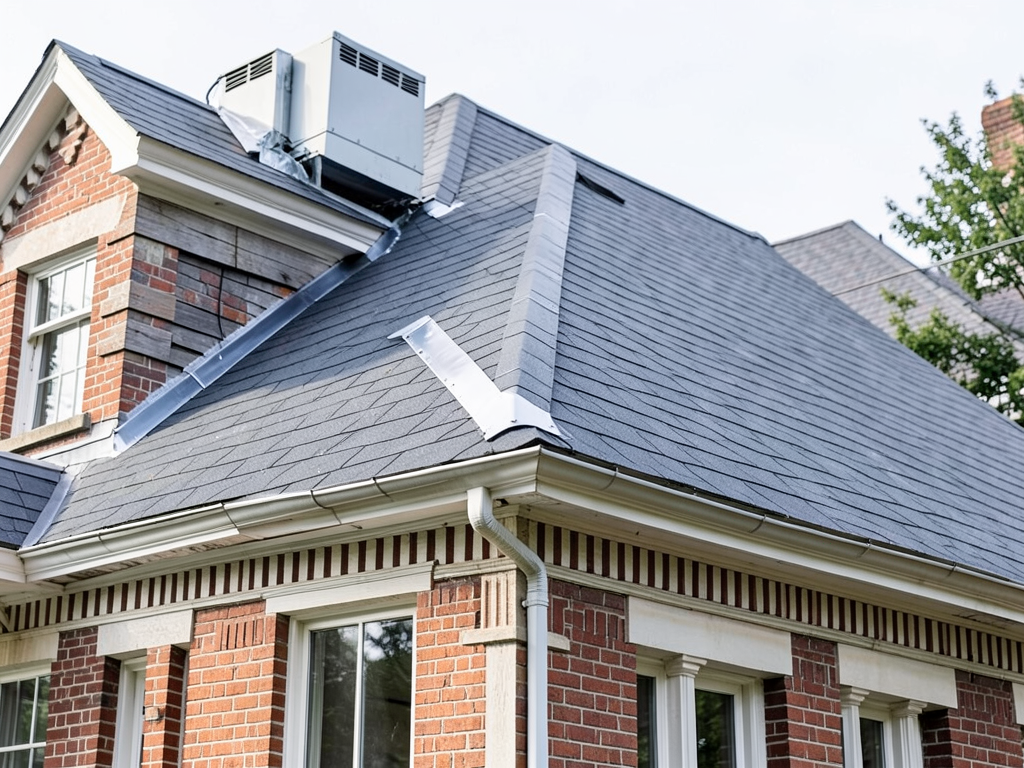
Diagram showing proper HVAC curb flashing integration with roofing membrane, including counter-flashing details and expansion joint requirements for Georgetown’s temperature extremes.
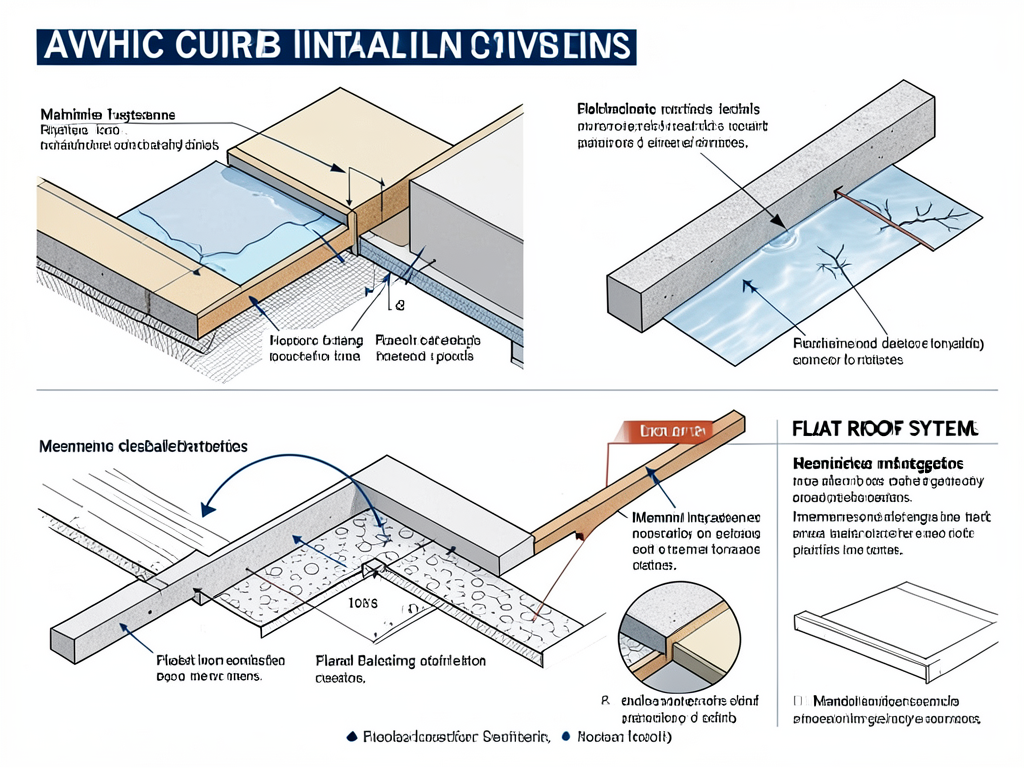
Photo of crane operation in Georgetown alley showing utility line shielding, street closure setup, and coordination between roofing and HVAC crews during equipment lift.
Technical drawing of roof-mounted HVAC installation showing proper curb height, vibration isolation rails, condensate line routing, and drainage integration with Georgetown’s flat roof design.
Protect Your Georgetown Investment with Expert Coordination
Georgetown’s unique building characteristics, historic district regulations, and dense urban environment make roof and HVAC coordination essential for project success. The difference between proper coordination and rushed scheduling shows up in warranty claims, emergency repairs, and project costs. Most homeowners discover too late that their HVAC technician voided their new roof warranty by installing improper flashing or puncturing the membrane.
Georgetown’s specific challenges require contractors who understand local codes, historic preservation requirements, and the technical details of HVAC-to-roof integration. The right coordination prevents the nightmare scenarios of crane rescheduling, emergency repairs, and voided warranties that cost thousands in rework.
Don’t let your roof and HVAC replacement become a coordination disaster. Call (771) 240-3300 today to schedule your inspection with experienced DC contractors who understand Georgetown’s unique requirements. We’ll coordinate both trades, handle all permitting, and ensure your new systems work together perfectly without warranty issues or code violations.
Pick up the phone and call (771) 240-3300 before the next storm hits. Your Georgetown home deserves expert coordination that protects your investment and prevents costly mistakes. For more information, visit National Roofing Contractors Association.
You may also find this helpful. Modernizing the Roof on a Mid-Century Home in Southwest DC.
{
“@context”: “https://schema.org”,
“@type”: “BlogPosting”,
“headline”: “Coordinating a New Roof Installation with Your HVAC Replacement in Georgetown”,
“description”: “Learn how to perfectly time your Georgetown roof and HVAC replacement to avoid warranty voids, permit issues, and costly rework. Expert DC coordination guide.”,
“wordCount”: 2700,
“datePublished”: “2026-06-09T09:16:00.000Z”,
“dateModified”: “2026-06-09T09:16:00.000Z”,
“inLanguage”: “en-US”,
“mainEntityOfPage”: {
“@type”: “WebPage”,
“@id”: “https://aceroofingwashingtondc.com”
},
“publisher”: {
“@type”: “LocalBusiness”,
“name”: “Ace Roofing Washington DC”,
“url”: “https://aceroofingwashingtondc.com”
},
“author”: {
“@type”: “Organization”,
“name”: “Ace Roofing Washington DC”,
“url”: “https://aceroofingwashingtondc.com”
},
“image”: {
“@type”: “ImageObject”,
“url”: “https://aceroofingwashingtondc.com/wp-content/uploads/2026/03/coordinating-a-new-roof-installation-with-your-hva-1.png”
}
}
{
“@context”: “https://schema.org”,
“@type”: “RoofingContractor”,
“name”: “Ace Roofing Washington DC”,
“url”: “https://aceroofingwashingtondc.com”,
“address”: {
“@type”: “PostalAddress”,
“addressLocality”: “Washington DC”
},
“areaServed”: {
“@type”: “City”,
“name”: “Washington DC”
}
}
{
“@context”: “https://schema.org”,
“@type”: “FAQPage”,
“mainEntity”: [
{
“@type”: “Question”,
“name”: “How long does coordinating roof and HVAC replacement take in Georgetown?”,
“acceptedAnswer”: {
“@type”: “Answer”,
“text”: “The coordination process typically takes 8-12 weeks from initial assessment to project completion. Permit acquisition alone takes 2-4 weeks, with Georgetown’s historic district adding additional review time. Crane scheduling and utility coordination add another 2-3 weeks to the timeline.”
}
},
{
“@type”: “Question”,
“name”: “Can I save money by doing both projects simultaneously?”,
“acceptedAnswer”: {
“@type”: “Answer”,
“text”: “Yes, coordinating both projects can save 15-25% compared to separate installations. You save on crane costs, permit fees, and avoid duplicate demolition and preparation work. However, poor coordination can cost more due to rework and warranty issues.”
}
},
{
“@type”: “Question”,
“name”: “What happens if my HVAC technician damages my new roof?”,
“acceptedAnswer”: {
“@type”: “Answer”,
“text”: “Most roofing warranties exclude damage from other trades. If your HVAC technician punctures the membrane or installs improper flashing, you’ll likely pay for repairs out of pocket. This is why proper coordination and experienced contractors are essential.”
}
},
{
“@type”: “Question”,
“name”: “Do I need separate permits for roofing and HVAC work?”,
“acceptedAnswer”: {
“@type”: “Answer”,
“text”: “Yes, DC requires separate permits for roofing and mechanical work. Georgetown’s historic district may require additional HPRB approval for exterior modifications. Starting work without proper permits results in stop-work orders and fines.”
}
},
{
“@type”: “Question”,
“name”: “How do I know if my building can support new HVAC equipment?”,
“acceptedAnswer”: {
“@type”: “Answer”,
“text”: “A structural engineer must evaluate your building’s capacity. Georgetown’s older buildings often need reinforcement for modern HVAC equipment. This evaluation takes 1-2 weeks and affects both project timing and costs.”
}
}
]
}
{
“@context”: “https://schema.org”,
“@type”: “HowTo”,
“name”: “How to Coordinate Roof and HVAC Replacement”,
“step”: [
{
“@type”: “HowToStep”,
“position”: 1,
“name”: “Initial Assessment”,
“text”: “Schedule both roofer and HVAC contractor for site visit within 48 hours. Provide building plans, equipment specifications, and access details. Georgetown’s historic district requires HPRB approval for exterior modifications.”
},
{
“@type”: “HowToStep”,
“position”: 2,
“name”: “Permit Acquisition”,
“text”: “Submit DOB permit for roofing work and separate permit for mechanical work. Georgetown’s HPRB review adds 2-3 weeks to standard 2-4 week permit timeline. Start permit process 8-10 weeks before desired start date.”
},
{
“@type”: “HowToStep”,
“position”: 3,
“name”: “Structural Engineering”,
“text”: “Have structural engineer verify roof capacity for new equipment. Georgetown’s older buildings often need reinforcement. This process takes 1-2 weeks and affects both project timelines.”
},
{
“@type”: “HowToStep”,
“position”: 4,
“name”: “Equipment Selection”,
“text”: “Choose HVAC equipment that meets DC Energy Code and Green Area Ratio requirements. Georgetown’s building density often requires high-efficiency units to meet noise and emissions standards.”
},
{
“@type”: “HowToStep”,
“position”: 5,
“name”: “Crane Coordination”,
“text”: “Schedule crane with DDOT street closure permit. Georgetown’s narrow streets require 5-7 day advance notice. Coordinate with PEPCO for utility line shielding if needed.”
},
{
“@type”: “HowToStep”,
“position”: 6,
“name”: “Trade Sequencing”,
“text”: “Establish work sequence: roof demolition, structural repairs, HVAC curb installation by roofer, roofing membrane installation, HVAC equipment mounting, final connections. Each step depends on the previous one completing correctly.”
},
{
“@type”: “HowToStep”,
“position”: 7,
“name”: “Warranty Protection”,
“text”: “Document all flashing details and penetration seals for warranty compliance. Georgetown’s temperature extremes require specific materials and installation methods that must be verified before final payment.”
},
{
“@type”: “HowToStep”,
“position”: 8,
“name”: “Final Inspection”,
“text”: “Schedule joint inspection with both contractors and building inspector. Verify all flashing, drainage, and equipment mounting meet code requirements. Georgetown’s historic district may require additional HPRB sign-off.”
}
],
“image”: “https://aceroofingwashingtondc.com/wp-content/uploads/2026/03/coordinating-a-new-roof-installation-with-your-hva-1.png”
}
{
“@context”: “https://schema.org”,
“@type”: “BreadcrumbList”,
“itemListElement”: [
{
“@type”: “ListItem”,
“position”: 1,
“name”: “Home”,
“item”: “https://aceroofingwashingtondc.com”
},
{
“@type”: “ListItem”,
“position”: 2,
“name”: “Blog”,
“item”: “https://aceroofingwashingtondc.com/blog”
},
{
“@type”: “ListItem”,
“position”: 3,
“name”: “Coordinating a New Roof Installation with Your HVAC Replacement in Georgetown”
}
]
}
{
“@context”: “https://schema.org”,
“@type”: “Service”,
“serviceType”: “Roofing”,
“provider”: {
“@type”: “LocalBusiness”,
“name”: “Ace Roofing Washington DC”,
“url”: “https://aceroofingwashingtondc.com”
},
“areaServed”: {
“@type”: “City”,
“name”: “Washington DC”
},
“description”: “Learn how to perfectly time your Georgetown roof and HVAC replacement to avoid warranty voids, permit issues, and costly rework. Expert DC coordination guide.”
}