
Why Water is Dripping from Your Attic Ceiling Even When It’s Not Raining in Edgewood
Water drips from your attic ceiling while the sky stays clear. No rain for days. The roof looks fine. This problem affects many Edgewood homes during Washington DC winters. Warm moist air from your living space rises into the cold attic and condenses on surfaces below the dew point temperature. The moisture forms water droplets that drip onto your ceiling below creating the illusion of a roof leak. The Real Cost of a Roof Replacement for Washington DC Homeowners.
Edgewood homes face unique challenges because of our humid summers followed by cold winters. When temperatures swing from 30°F to 50°F in a single day the conditions become perfect for condensation to form. Many Edgewood homes were built before modern building codes required proper vapor barriers and ventilation systems. How to Get Your Roof Ready for a DC Winter in Chevy Chase.
The good news is that attic condensation is fixable. You don’t need a new roof. You need to address the moisture source and improve your attic’s ability to handle humidity. Let’s look at what causes this problem and how to solve it.
Signs of Attic Condensation You Can’t Ignore
Before you call a roofer you need to identify whether you’re dealing with condensation or an actual leak. Here are the telltale signs of attic condensation:
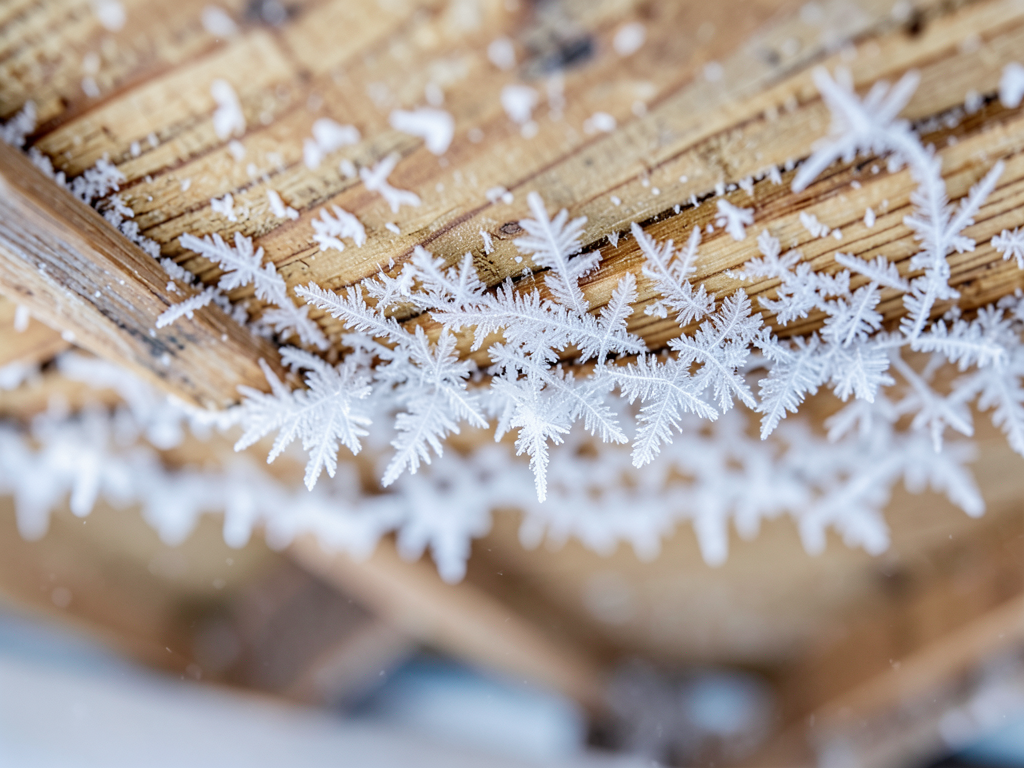
- Frost or ice crystals on the underside of your roof sheathing during cold snaps
- Damp insulation that feels heavy and matted down
- Water stains on ceiling drywall that appear during temperature swings not rain events
- A musty odor in your attic during winter months
- Dark water spots on rafters or roof decking that grow larger when it’s cold outside
Condensation typically shows up in specific patterns. You’ll notice it’s worse after a string of cold nights followed by sunny days. The sun warms your roof surface creating temperature differentials that cause moisture to condense and drip.
Edgewood’s older homes built before the 1980s often lack proper vapor barriers. Warm air from your kitchen bathroom or laundry room can easily migrate into the attic space through light fixtures electrical penetrations and poorly sealed attic hatches.
Why DC Homes Suffer from Winter Condensation
Washington DC’s climate creates the perfect storm for attic condensation. Our high summer humidity means indoor air holds more moisture than in drier climates. When winter arrives that moisture seeks cold surfaces to condense on.
The stack effect plays a major role in Edgewood homes. Warm air rises through your house like smoke up a chimney. It finds every crack and gap in your ceiling. Light fixtures ceiling fans and attic access doors are common culprits. Once this warm moist air hits your cold attic it releases moisture as condensation.
Many Edgewood homes have inadequate attic ventilation. Building codes now require one square foot of net free ventilation area for every 150 square feet of attic space. Older homes often fall far short of this standard. Without proper airflow moist air gets trapped in the attic.
Insulation problems compound the issue. If your attic floor insulation is compressed or has gaps warm air can rise directly into the attic space. The DC area building code requires R-49 to R-60 insulation in attics but many older Edgewood homes have far less.
The Difference Between a Roof Leak and Condensation
Knowing whether you have a leak or condensation saves you time and money. Here’s how to tell the difference:
| Roof Leak | Attic Condensation |
|---|---|
| Worsens during rain or snow melt | Worsens during temperature swings |
| Stains follow roof plane angles | Stains appear directly below attic space |
| Often has dark mold growth | May have white frost deposits |
| Water damage spreads over time | Water appears then disappears with weather |
| May have exterior shingle damage | Shingles appear normal from outside |
A simple diagnostic test can confirm condensation. On a cold morning check your attic. If you see frost on the underside of the roof sheathing or rafters you have a ventilation problem not a roof leak.
Edgewood homes near the Metro tracks often have additional challenges. The vibration from passing trains can loosen roof penetrations over time creating gaps where warm air escapes. This makes condensation problems worse in these areas.
Professional Solutions for a Dry Attic
Fixing attic condensation requires a systematic approach. Here’s what professional roofers do to solve this problem:
- Air Sealing Audit
Technicians use thermal imaging to find air leaks in your ceiling. Common sources include recessed lights bathroom fans and attic access points. They seal these leaks with spray foam or caulk.
- Ventilation Assessment
Roofers check your soffit and ridge vents for proper airflow. They measure net free ventilation area and calculate if you meet current building code requirements.
- Insulation Evaluation
Technicians measure your current insulation depth and check for compression or gaps. They recommend upgrades to meet R-49 to R-60 standards for the DC area.
- Vapor Barrier Installation
If missing a new vapor barrier prevents moisture from entering the attic space. This is especially important in older Edgewood homes.
- Baffle Installation
Roofers install plastic or cardboard baffles to keep insulation from blocking soffit vents. This ensures proper airflow from eaves to ridge.
The cost to fix attic condensation varies based on your home’s specific needs. Air sealing typically costs $500 to $1500. Adding insulation runs $1500 to $3000. Complete attic remediation including ventilation upgrades can cost $3000 to $7000.
These costs pale compared to the damage untreated condensation causes. Moisture leads to wood rot mold growth and eventually structural damage. The EPA estimates that every $1 spent on moisture control saves $4 to $8 in future repairs. EPA guidelines for indoor air quality.
Local DC Climate Considerations
Washington DC’s weather patterns make attic condensation particularly challenging. Our 30 to 40 degree temperature swings in winter accelerate moisture buildup. A sunny afternoon following a freezing night creates perfect condensation conditions.
Edgewood’s proximity to Rock Creek Park affects local conditions. The wooded areas create slightly cooler microclimates than downtown DC. Homes near the park may experience condensation at higher temperatures than homes in more urban parts of Edgewood.
The DC area building code specifically addresses attic ventilation in Section R806. It requires balanced ventilation with intake vents at the eaves and exhaust vents near the ridge. Many older Edgewood homes were built before these requirements existed.
According to the National Weather Service Washington DC experiences an average of 39 days per year with temperature swings over 20 degrees in a 24 hour period. This creates frequent condensation opportunities in poorly ventilated attics.
Energy audits through the DC Sustainable Energy Utility often reveal attic condensation as a major energy loss source. The DOE recommends attic insulation and air sealing as top priorities for energy efficiency improvements.
Preventing Future Attic Condensation Problems
Once you’ve fixed your attic condensation you need to prevent it from returning. Here are key prevention strategies:
- Install a humidistat controlled bathroom exhaust fan that runs for 20 minutes after showers
- Use your kitchen exhaust fan when cooking to remove moisture at the source
- Keep indoor humidity between 30 and 50 percent during winter months
- Check your attic monthly during cold weather for signs of new moisture buildup
- Replace attic insulation if it becomes compressed or water damaged
Smart home technology can help monitor attic conditions. Wireless temperature and humidity sensors in your attic alert you when conditions approach condensation thresholds. Some systems integrate with smart thermostats to adjust indoor humidity automatically.
Edgewood homeowners should be especially vigilant because many homes share party walls with neighbors. Moisture problems in one unit can affect adjacent units through shared attic spaces. A whole building approach to moisture control often works best in rowhouse communities. Why Your Capitol Hill Rowhouse Needs a Specialized Flat Roof System.
The International Residential Code requires mechanical ventilation in attics when natural ventilation proves insufficient. This may mean adding powered attic ventilators in extreme cases though these must be carefully sized to avoid creating negative pressure problems.
When to Call a Professional
While some condensation fixes are DIY friendly extensive problems need professional attention. Call a roofer if you notice:
- Extensive frost covering more than 25 percent of your attic sheathing
- Active water dripping that’s damaging ceiling drywall below
- Musty odors suggesting mold growth
- Structural concerns like sagging roof decking
- Ice dam formation along your roof edges
Professional roofers bring thermal imaging cameras moisture meters and ventilation calculation tools. They can identify problems invisible to the naked eye. Many offer free attic inspections during the slow winter months.
Edgewood residents should choose contractors familiar with local building codes and historic district requirements. Some Edgewood homes fall under historic preservation guidelines that affect what modifications you can make to your roof and attic. Navigating Historic Preservation Roofing Rules in Dupont Circle.
Insurance companies often deny claims for condensation damage classifying it as maintenance rather than sudden damage. This makes prevention even more critical. Document your moisture control efforts with photos and contractor reports. The Best Flat Roof Maintenance Tips for Petworth Homeowners.
The EPA’s Energy Star program provides guidelines for proper attic insulation and ventilation. Following these recommendations not only prevents condensation but also reduces heating and cooling costs by up to 20 percent.
Frequently Asked Questions
Why does my attic only leak when it’s cold outside?
Attic condensation occurs when warm moist air from your living space rises into the cold attic and hits surfaces below the dew point temperature. The moisture condenses into water droplets that can drip onto your ceiling below creating the illusion of a roof leak.
How can I tell if I have a roof leak or condensation?
Roof leaks worsen during rain or snow melt and often have dark mold growth. Condensation appears during temperature swings not rain events and may show white frost deposits. Check your attic on a cold morning. If you see frost on the underside of the roof sheathing you have condensation not a leak.
Will adding more insulation stop my attic condensation?
Adding insulation alone won’t solve condensation. You need a comprehensive approach including air sealing ventilation assessment and possibly vapor barrier installation. Insulation helps but if warm moist air still enters your attic it will condense regardless of insulation levels.
How much does it cost to fix attic condensation in Edgewood?
Costs vary based on your home’s specific needs. Air sealing typically costs $500 to $1500. Adding insulation runs $1500 to $3000. Complete attic remediation including ventilation upgrades can cost $3000 to $7000. These costs are far less than the damage untreated condensation causes.
Can attic condensation cause mold problems?
Yes attic condensation creates perfect conditions for mold growth. The moisture combined with organic materials like wood rafters and insulation provides food for mold spores. Left untreated condensation can lead to extensive mold infestations that require professional remediation and can affect your indoor air quality.
Attic condensation is a fixable problem that affects many Edgewood homes during Washington DC winters. The key is proper diagnosis and a comprehensive solution that addresses air sealing ventilation and insulation. Don’t let phantom leaks damage your home or waste your money on unnecessary roof repairs.
Call (771) 240-3300 today to schedule your attic inspection. Our experienced technicians will identify the source of your moisture problems and recommend proven solutions to keep your home dry and protected. Don’t wait until water damage becomes expensive structural damage.
Pick up the phone and call (771) 240-3300 before the next cold snap hits. We’ll help you solve your attic condensation problems and protect your Edgewood home from moisture damage all winter long. For more information, visit Department of Energy attic insulation recommendations.
{
“@context”: “https://schema.org”,
“@type”: “BlogPosting”,
“headline”: “Why Water is Dripping from Your Attic Ceiling Even When It’s Not Raining in Edgewood”,
“description”: “Water dripping from your attic ceiling without rain? Learn why Edgewood homes suffer from attic condensation and how to fix it before costly damage occurs.”,
“wordCount”: 1944,
“datePublished”: “2026-05-18T13:57:00.000Z”,
“dateModified”: “2026-05-18T13:57:00.000Z”,
“inLanguage”: “en-US”,
“mainEntityOfPage”: {
“@type”: “WebPage”,
“@id”: “https://aceroofingwashingtondc.com”
},
“publisher”: {
“@type”: “LocalBusiness”,
“name”: “Ace Roofing Washington DC”,
“url”: “https://aceroofingwashingtondc.com”
},
“author”: {
“@type”: “Organization”,
“name”: “Ace Roofing Washington DC”,
“url”: “https://aceroofingwashingtondc.com”
},
“image”: {
“@type”: “ImageObject”,
“url”: “https://aceroofingwashingtondc.com/wp-content/uploads/2026/03/why-water-is-dripping-from-your-attic-ceiling-even-1.png”
}
}
{
“@context”: “https://schema.org”,
“@type”: “RoofingContractor”,
“name”: “Ace Roofing Washington DC”,
“url”: “https://aceroofingwashingtondc.com”,
“address”: {
“@type”: “PostalAddress”,
“addressLocality”: “Washington DC”
},
“areaServed”: {
“@type”: “City”,
“name”: “Washington DC”
}
}
{
“@context”: “https://schema.org”,
“@type”: “FAQPage”,
“mainEntity”: [
{
“@type”: “Question”,
“name”: “Why does my attic only leak when it’s cold outside?”,
“acceptedAnswer”: {
“@type”: “Answer”,
“text”: “Attic condensation occurs when warm moist air from your living space rises into the cold attic and hits surfaces below the dew point temperature. The moisture condenses into water droplets that can drip onto your ceiling below creating the illusion of a roof leak.”
}
},
{
“@type”: “Question”,
“name”: “How can I tell if I have a roof leak or condensation?”,
“acceptedAnswer”: {
“@type”: “Answer”,
“text”: “Roof leaks worsen during rain or snow melt and often have dark mold growth. Condensation appears during temperature swings not rain events and may show white frost deposits. Check your attic on a cold morning. If you see frost on the underside of the roof sheathing you have condensation not a leak.”
}
},
{
“@type”: “Question”,
“name”: “Will adding more insulation stop my attic condensation?”,
“acceptedAnswer”: {
“@type”: “Answer”,
“text”: “Adding insulation alone won’t solve condensation. You need a comprehensive approach including air sealing ventilation assessment and possibly vapor barrier installation. Insulation helps but if warm moist air still enters your attic it will condense regardless of insulation levels.”
}
},
{
“@type”: “Question”,
“name”: “How much does it cost to fix attic condensation in Edgewood?”,
“acceptedAnswer”: {
“@type”: “Answer”,
“text”: “Costs vary based on your home’s specific needs. Air sealing typically costs $500 to $1500. Adding insulation runs $1500 to $3000. Complete attic remediation including ventilation upgrades can cost $3000 to $7000. These costs are far less than the damage untreated condensation causes.”
}
},
{
“@type”: “Question”,
“name”: “Can attic condensation cause mold problems?”,
“acceptedAnswer”: {
“@type”: “Answer”,
“text”: “Yes attic condensation creates perfect conditions for mold growth. The moisture combined with organic materials like wood rafters and insulation provides food for mold spores. Left untreated condensation can lead to extensive mold infestations that require professional remediation and can affect your indoor air quality.”
}
}
]
}
{
“@context”: “https://schema.org”,
“@type”: “HowTo”,
“name”: “How to Fix Attic Condensation”,
“step”: [
{
“@type”: “HowToStep”,
“position”: 1,
“name”: “Air Sealing Audit”,
“text”: “Technicians use thermal imaging to find air leaks in your ceiling. Common sources include recessed lights bathroom fans and attic access points. They seal these leaks with spray foam or caulk.”
},
{
“@type”: “HowToStep”,
“position”: 2,
“name”: “Ventilation Assessment”,
“text”: “Roofers check your soffit and ridge vents for proper airflow. They measure net free ventilation area and calculate if you meet current building code requirements.”
},
{
“@type”: “HowToStep”,
“position”: 3,
“name”: “Insulation Evaluation”,
“text”: “Technicians measure your current insulation depth and check for compression or gaps. They recommend upgrades to meet R-49 to R-60 standards for the DC area.”
},
{
“@type”: “HowToStep”,
“position”: 4,
“name”: “Vapor Barrier Installation”,
“text”: “If missing a new vapor barrier prevents moisture from entering the attic space. This is especially important in older Edgewood homes.”
},
{
“@type”: “HowToStep”,
“position”: 5,
“name”: “Baffle Installation”,
“text”: “Roofers install plastic or cardboard baffles to keep insulation from blocking soffit vents. This ensures proper airflow from eaves to ridge.”
}
],
“image”: “https://aceroofingwashingtondc.com/wp-content/uploads/2026/03/why-water-is-dripping-from-your-attic-ceiling-even-1.png”
}
{
“@context”: “https://schema.org”,
“@type”: “BreadcrumbList”,
“itemListElement”: [
{
“@type”: “ListItem”,
“position”: 1,
“name”: “Home”,
“item”: “https://aceroofingwashingtondc.com”
},
{
“@type”: “ListItem”,
“position”: 2,
“name”: “Blog”,
“item”: “https://aceroofingwashingtondc.com/blog”
},
{
“@type”: “ListItem”,
“position”: 3,
“name”: “Why Water is Dripping from Your Attic Ceiling Even When It’s Not Raining in Edgewood”
}
]
}
{
“@context”: “https://schema.org”,
“@type”: “Service”,
“serviceType”: “Roofing”,
“provider”: {
“@type”: “LocalBusiness”,
“name”: “Ace Roofing Washington DC”,
“url”: “https://aceroofingwashingtondc.com”
},
“areaServed”: {
“@type”: “City”,
“name”: “Washington DC”
},
“description”: “Water dripping from your attic ceiling without rain? Learn why Edgewood homes suffer from attic condensation and how to fix it before costly damage occurs.”
}