
Why Your Internal Roof Drain is Clogging and How to Fix it for Good
Your Washington DC rowhouse has a hidden problem. Water is backing up on your flat roof. Ceilings are showing brown stains. You hear gurgling sounds in the walls after heavy rain. These are the classic signs of a failing internal roof drain system. DC Municipal Regulations.
DC’s historic rowhouses were built with internal drainage to keep the street-facing facades clean and preserve architectural lines. But these systems trap debris, freeze in winter, and crack over time. The result is a plumbing-roofing hybrid failure that generic roofers miss. DC Department of Energy & Environment.
Ace Roofing Washington DC has been diagnosing and repairing these exact systems since 2005. We understand the difference between a clogged leader pipe and a failing drain bowl. We know how to work within DC’s historic preservation rules while fixing the problem permanently. The Real Cost of a Roof Replacement for Washington DC Homeowners.
This article shows you the exact failure patterns we see on Capitol Hill, Georgetown, and Petworth rowhouses. You will learn how to identify the problem, what causes it, and why our repair process stops it from coming back. Why Your Capitol Hill Rowhouse Needs a Specialized Flat Roof System.
Common Signs of Internal Roof Drain Failure
Water damage from internal drains shows up in specific ways. Here are the warning signs we see most often in DC rowhouses.
- Brown ceiling stains directly below flat roof areas
- Gurgling or bubbling sounds in interior walls during rain
- Standing water on the roof surface that takes hours to drain
- Debris buildup visible in roof drain strainers
- Cold drafts coming from ceiling registers near drains
If you notice two or more of these symptoms, your internal drain system needs immediate attention. The next heavy rain could cause thousands in interior damage.
Why DC Rowhouses Have Unique Drainage Problems
Washington DC’s rowhouse architecture creates specific vulnerabilities for internal drainage systems. The flat roofs collect debris from flowering cherry trees and fall leaves. The freeze-thaw cycles common to the Mid-Atlantic region cause cast iron leader pipes to crack. The shared party walls in many Georgetown and Capitol Hill buildings mean one neighbor’s drainage failure can affect multiple homes.
The District’s building code requires overflow scuppers on all flat roofs. But many historic properties were built before these rules existed. When the primary internal drain clogs, water has nowhere to go except through the roof membrane or into the building interior. Navigating Historic Preservation Roofing Rules in Dupont Circle.
DC Water’s combined sewer system also creates pressure during heavy storms. This can force water back up through leader pipes, overwhelming drains that were already partially blocked. How to Get Your Roof Ready for a DC Winter in Chevy Chase.
Our DC Roof Drain Repair Process
We follow a specific diagnostic and repair process that addresses both the immediate clog and the underlying failure pattern.
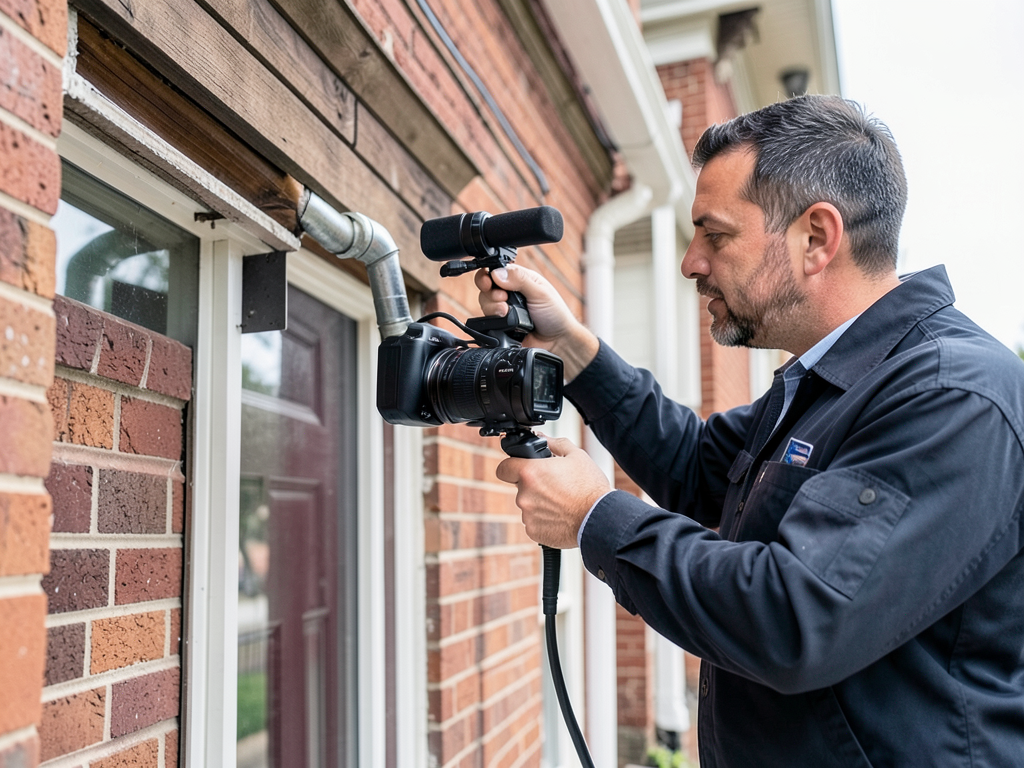
- Video Camera Inspection
We feed a waterproof camera through the leader pipe to identify the exact location and nature of the blockage. This shows whether you have a simple debris clog or a cracked pipe that needs replacement.
- High-Pressure Hydro Jetting
We use 3,000 PSI water jets to clear all debris from the drain bowl, strainer, and leader pipe. This removes years of accumulated sediment, roots, and organic matter.
- Drain Bowl Assessment
We inspect the drain bowl for cracks, corrosion, or improper slope. Many DC rowhouses have original cast iron bowls that have deteriorated beyond repair.
- Flashing and Waterproofing
We replace deteriorated flashing around the drain and apply new waterproofing membrane to prevent future leaks at the penetration point.
- Leader Pipe Repair or Replacement
If the camera inspection shows cracked or separated pipes, we replace the affected section with PVC or schedule 40 PVC for durability.
Common Internal Drain Failure Patterns in DC
Based on 15 years of repairs in the District, we see three failure patterns most often.
The Debris Clog Pattern affects homes near Rock Creek Park or along tree-lined streets. Cherry blossom petals, maple seeds, and fall leaves accumulate in drain strainers. When the strainer basket fills, water backs up onto the roof surface.
The Freeze-Thaw Pattern occurs in older Georgetown and Capitol Hill rowhouses with original cast iron plumbing. Water trapped in leader pipes freezes, expands, and cracks the pipe. The next thaw creates a leak that only shows up during heavy rain.
The Structural Settlement Pattern affects Petworth and Columbia Heights rowhouses built on clay soil. The building settles unevenly, causing drain pipes to separate at joints. This creates slow leaks that rot roof decking over years. The Best Flat Roof Maintenance Tips for Petworth Homeowners.
DC Building Code Requirements for Roof Drainage
Washington DC Municipal Regulations (DCMR) Chapter 12, Section 1207 requires all flat roofs to have secondary overflow drainage. This means your internal drain system must have a backup method for water to exit the roof when the primary system fails.
The code also mandates that roof drains be no more than 30 feet apart for roofs under 10,000 square feet. Many historic DC rowhouses violate this spacing because they predate modern codes. This creates concentrated water flow through fewer drains, increasing clog risk.
DC’s Green Building Act requires stormwater management for all roof replacements over 2,000 square feet. This often means adding rainwater harvesting systems or increasing drain capacity beyond the original design.
Emergency Roof Drain Services in the District
When your internal drain fails during a storm, every minute counts. Water can penetrate roofing membranes within 30 minutes of ponding. By the time you see ceiling stains, thousands in damage may already be done.
Ace Roofing provides 24/7 emergency response for DC rowhouses. Our emergency trucks carry drain cleaning equipment, temporary waterproofing materials, and replacement parts for the most common drain assemblies.
We can typically arrive within 90 minutes anywhere in the District. Our emergency service includes immediate water diversion, temporary patching, and a full diagnostic report for insurance claims.
Don’t wait for the next storm. Call (771) 240-3300 now if you notice any signs of internal drain failure. The cost of emergency service is far less than water damage restoration.
Preventative Maintenance for DC Roof Drains
Regular maintenance prevents most internal drain failures. We recommend quarterly inspections for DC rowhouses, especially those near trees or in historic districts.
During maintenance visits, we clean drain strainers, inspect flashing, check for proper slope, and test water flow through leader pipes. We also look for early signs of membrane deterioration around drain penetrations.
Many of our Georgetown and Capitol Hill clients schedule maintenance before the spring rainy season and after fall leaf drop. This timing prevents the two highest-risk periods for drain failure.
Annual video inspection of leader pipes costs less than emergency service and can identify problems before they cause damage. We’ve found separated joints, tree root intrusion, and pipe corrosion during routine inspections that saved clients thousands in potential repairs.
Comparing Repair vs. Replacement Options
Not every internal drain problem requires complete replacement. Here’s how we evaluate repair options.
| Problem Type | Repair Option | Expected Lifespan | Cost Range |
|---|---|---|---|
| Debris clog only | Hydro jetting + strainer cleaning | 3-5 years | $350-550 |
| Cracked drain bowl | Replacement with PVC bowl | 15-20 years | $800-1,200 |
| Separated leader pipe | Section replacement | 25-30 years | $1,200-2,000 |
| Multiple failures | Complete system upgrade | 30+ years | $3,000-5,000 |
We always provide multiple options with clear explanations of the trade-offs. Sometimes a simple cleaning solves the problem. Other times, upgrading to a larger drain capacity prevents future issues.
Why Choose Ace Roofing for Internal Drain Repair
We specialize in the exact problems DC rowhouses face. Our technicians understand the difference between a plumbing issue and a roofing issue. We know how to work within historic preservation guidelines while providing modern waterproofing solutions.
Our 15 years of experience in the District means we’ve seen every failure pattern. We know which drain assemblies work best in DC’s climate. We understand the specific challenges of working on shared party walls and in tight alley access situations common to Georgetown and Capitol Hill.
We provide detailed documentation for insurance claims and historic district approvals. Our work comes with a 5-year warranty on parts and labor. We stand behind every repair with follow-up inspections to ensure the problem stays solved.
Call (771) 240-3300 today to schedule your internal drain inspection. Don’t wait for water damage to force an emergency repair.
Frequently Asked Questions
How can I tell if my internal drain is clogged?
Look for standing water on your flat roof that takes more than 30 minutes to drain, gurgling sounds in walls during rain, or brown ceiling stains directly below roof areas. You can also check drain strainers for visible debris buildup.
How often should internal drains be cleaned?
DC rowhouses should have internal drains cleaned quarterly, with full inspections annually. Homes near trees or in historic districts may need more frequent service, especially after fall leaf drop or spring flowering season.
Can I clean my internal drain myself?
Basic strainer cleaning is safe for homeowners. However, using drain snakes or chemical cleaners can damage pipes or push clogs deeper. Professional hydro jetting equipment is needed for thorough cleaning without pipe damage.
How long does internal drain repair take?
Simple clogs clear in 1-2 hours. Drain bowl replacement takes 3-4 hours. Complete system upgrades require 1-2 days. We provide specific timeframes after video inspection of your system.
Is internal drain repair covered by insurance?
Most homeowner policies cover sudden internal drain failure if it causes interior damage. However, they typically exclude damage from lack of maintenance. We provide documentation for insurance claims and can recommend restoration companies if needed.
What’s the difference between internal and external drains?
Internal drains are located within the building footprint and connect to interior plumbing. External drains (scuppers) drain through the roof edge. DC rowhouses typically use internal drains to preserve architectural lines and prevent street-facing water runoff.
How much does internal drain repair cost in DC?
Costs range from $350 for simple cleaning to $5,000 for complete system replacement. Most repairs fall between $800-2,000. We provide exact quotes after video inspection of your specific system.
Do you work on historic district properties?
Yes. We’re familiar with HPRB guidelines and can provide documentation for approvals. We use materials and methods that preserve historic character while meeting modern waterproofing standards.
What causes internal drains to fail in winter?
Freeze-thaw cycles cause trapped water to expand and crack cast iron pipes. Snowmelt can overwhelm partially clogged drains. Ice buildup around drain penetrations can force water under roofing membranes.
How can I prevent future drain clogs?
Install larger strainers, schedule quarterly cleaning, trim trees near roof areas, and consider upgrading to larger drain capacity if your roof size exceeds original design specifications. Annual video inspection catches problems early.
Call (771) 240-3300 now to schedule your internal drain inspection before the next storm hits. Your rowhouse deserves expert care from technicians who understand DC’s unique drainage challenges.
{
“@context”: “https://schema.org”,
“@type”: “BlogPosting”,
“headline”: “Why Your Internal Roof Drain is Clogging and How to Fix it for Good”,
“description”: “Internal roof drains in DC rowhouses clog from debris and freeze-thaw cycles. Learn the exact repair process and why Ace Roofing’s local expertise prevents costly water damage.”,
“wordCount”: 1833,
“datePublished”: “2026-04-27T14:53:00.000Z”,
“dateModified”: “2026-04-27T14:53:00.000Z”,
“inLanguage”: “en-US”,
“mainEntityOfPage”: {
“@type”: “WebPage”,
“@id”: “https://aceroofingwashingtondc.com”
},
“publisher”: {
“@type”: “LocalBusiness”,
“name”: “Ace Roofing Washington DC”,
“url”: “https://aceroofingwashingtondc.com”
},
“author”: {
“@type”: “Organization”,
“name”: “Ace Roofing Washington DC”,
“url”: “https://aceroofingwashingtondc.com”
},
“image”: {
“@type”: “ImageObject”,
“url”: “https://aceroofingwashingtondc.com/wp-content/uploads/2026/03/why-your-internal-roof-drain-is-clogging-and-how-t-1.png”
}
}
{
“@context”: “https://schema.org”,
“@type”: “RoofingContractor”,
“name”: “Ace Roofing Washington DC”,
“url”: “https://aceroofingwashingtondc.com”,
“address”: {
“@type”: “PostalAddress”,
“addressLocality”: “Washington DC”
},
“areaServed”: {
“@type”: “City”,
“name”: “Washington DC”
}
}
{
“@context”: “https://schema.org”,
“@type”: “FAQPage”,
“mainEntity”: [
{
“@type”: “Question”,
“name”: “How can I tell if my internal drain is clogged?”,
“acceptedAnswer”: {
“@type”: “Answer”,
“text”: “Look for standing water on your flat roof that takes more than 30 minutes to drain, gurgling sounds in walls during rain, or brown ceiling stains directly below roof areas. You can also check drain strainers for visible debris buildup.”
}
},
{
“@type”: “Question”,
“name”: “How often should internal drains be cleaned?”,
“acceptedAnswer”: {
“@type”: “Answer”,
“text”: “DC rowhouses should have internal drains cleaned quarterly, with full inspections annually. Homes near trees or in historic districts may need more frequent service, especially after fall leaf drop or spring flowering season.”
}
},
{
“@type”: “Question”,
“name”: “Can I clean my internal drain myself?”,
“acceptedAnswer”: {
“@type”: “Answer”,
“text”: “Basic strainer cleaning is safe for homeowners. However, using drain snakes or chemical cleaners can damage pipes or push clogs deeper. Professional hydro jetting equipment is needed for thorough cleaning without pipe damage.”
}
},
{
“@type”: “Question”,
“name”: “How long does internal drain repair take?”,
“acceptedAnswer”: {
“@type”: “Answer”,
“text”: “Simple clogs clear in 1-2 hours. Drain bowl replacement takes 3-4 hours. Complete system upgrades require 1-2 days. We provide specific timeframes after video inspection of your system.”
}
},
{
“@type”: “Question”,
“name”: “Is internal drain repair covered by insurance?”,
“acceptedAnswer”: {
“@type”: “Answer”,
“text”: “Most homeowner policies cover sudden internal drain failure if it causes interior damage. However, they typically exclude damage from lack of maintenance. We provide documentation for insurance claims and can recommend restoration companies if needed.”
}
},
{
“@type”: “Question”,
“name”: “What’s the difference between internal and external drains?”,
“acceptedAnswer”: {
“@type”: “Answer”,
“text”: “Internal drains are located within the building footprint and connect to interior plumbing. External drains (scuppers) drain through the roof edge. DC rowhouses typically use internal drains to preserve architectural lines and prevent street-facing water runoff.”
}
},
{
“@type”: “Question”,
“name”: “How much does internal drain repair cost in DC?”,
“acceptedAnswer”: {
“@type”: “Answer”,
“text”: “Costs range from $350 for simple cleaning to $5,000 for complete system replacement. Most repairs fall between $800-2,000. We provide exact quotes after video inspection of your specific system.”
}
},
{
“@type”: “Question”,
“name”: “What causes internal drains to fail in winter?”,
“acceptedAnswer”: {
“@type”: “Answer”,
“text”: “Freeze-thaw cycles cause trapped water to expand and crack cast iron pipes. Snowmelt can overwhelm partially clogged drains. Ice buildup around drain penetrations can force water under roofing membranes.”
}
},
{
“@type”: “Question”,
“name”: “How can I prevent future drain clogs?”,
“acceptedAnswer”: {
“@type”: “Answer”,
“text”: “Install larger strainers, schedule quarterly cleaning, trim trees near roof areas, and consider upgrading to larger drain capacity if your roof size exceeds original design specifications. Annual video inspection catches problems early.”
}
}
]
}
{
“@context”: “https://schema.org”,
“@type”: “HowTo”,
“name”: “How to Repair an Internal Roof Drain”,
“step”: [
{
“@type”: “HowToStep”,
“position”: 1,
“name”: “Video Camera Inspection”,
“text”: “We feed a waterproof camera through the leader pipe to identify the exact location and nature of the blockage. This shows whether you have a simple debris clog or a cracked pipe that needs replacement.”
},
{
“@type”: “HowToStep”,
“position”: 2,
“name”: “High-Pressure Hydro Jetting”,
“text”: “We use 3,000 PSI water jets to clear all debris from the drain bowl, strainer, and leader pipe. This removes years of accumulated sediment, roots, and organic matter.”
},
{
“@type”: “HowToStep”,
“position”: 3,
“name”: “Drain Bowl Assessment”,
“text”: “We inspect the drain bowl for cracks, corrosion, or improper slope. Many DC rowhouses have original cast iron bowls that have deteriorated beyond repair.”
},
{
“@type”: “HowToStep”,
“position”: 4,
“name”: “Flashing and Waterproofing”,
“text”: “We replace deteriorated flashing around the drain and apply new waterproofing membrane to prevent future leaks at the penetration point.”
},
{
“@type”: “HowToStep”,
“position”: 5,
“name”: “Leader Pipe Repair or Replacement”,
“text”: “If the camera inspection shows cracked or separated pipes, we replace the affected section with PVC or schedule 40 PVC for durability.”
}
],
“image”: “https://aceroofingwashingtondc.com/wp-content/uploads/2026/03/why-your-internal-roof-drain-is-clogging-and-how-t-1.png”
}
{
“@context”: “https://schema.org”,
“@type”: “BreadcrumbList”,
“itemListElement”: [
{
“@type”: “ListItem”,
“position”: 1,
“name”: “Home”,
“item”: “https://aceroofingwashingtondc.com”
},
{
“@type”: “ListItem”,
“position”: 2,
“name”: “Blog”,
“item”: “https://aceroofingwashingtondc.com/blog”
},
{
“@type”: “ListItem”,
“position”: 3,
“name”: “Why Your Internal Roof Drain is Clogging and How to Fix it for Good”
}
]
}
{
“@context”: “https://schema.org”,
“@type”: “Service”,
“serviceType”: “Roofing”,
“provider”: {
“@type”: “LocalBusiness”,
“name”: “Ace Roofing Washington DC”,
“url”: “https://aceroofingwashingtondc.com”
},
“areaServed”: {
“@type”: “City”,
“name”: “Washington DC”
},
“description”: “Internal roof drains in DC rowhouses clog from debris and freeze-thaw cycles. Learn the exact repair process and why Ace Roofing’s local expertise prevents costly water damage.”
}