
How to Repair Leaky Party Walls and Parapets Between Rowhouses in Columbia Heights
A leaking party wall between rowhouses in Columbia Heights isn’t just a nuisance—it’s a structural threat that can damage both properties. The shared parapet wall where your roof meets your neighbor’s creates a vulnerable junction where flashing fails, coping stones crack, and water seeps into masonry. This guide walks you through identifying the source, understanding DC-specific liability rules, and finding permanent solutions that protect both homes. DC Municipal Regulations Title 11.
Understanding the Party Wall: Why Your DC Rowhome is Leaking
Party walls in Columbia Heights rowhomes date back to the late 1800s and early 1900s, built with multi-course brick and shared chimney breasts. These walls weren’t designed for modern roofing systems. When a flat roof or modified bitumen system meets the parapet, the junction becomes a prime spot for water infiltration. The problem compounds because Columbia Heights sits on clay-heavy soil that expands and contracts with moisture, putting stress on the masonry joints. moisture meter basics.
Most party wall leaks start at the flashing—the metal barrier meant to direct water away from the wall-roof intersection. In older Columbia Heights homes, this flashing often consists of lead-coated copper or galvanized steel that deteriorates over decades. When it fails, water tracks down the inside of the wall, appearing as damp spots on interior ceilings or walls far from the actual entry point. Metal Roof vs Asphalt Shingles Cost.
The 2023 DC Building Code (12D DCMR Chapter 12) requires specific flashing details for party walls, including minimum 26-gauge galvanized metal with soldered joints. Many historic Columbia Heights homes don’t meet these standards, making them vulnerable to the freeze-thaw cycles common in DC winters. How to Get Your Roof Ready for a DC Winter in Chevy Chase.
Common Causes of Party Wall Leaks
Water infiltration at party walls follows predictable patterns in Columbia Heights. Here are the most frequent culprits:
Failed Flashing Systems
The primary defense against water entry is the counter-flashing that tucks into the mortar joints of the parapet wall. Over time, mortar deteriorates, creating gaps where water can penetrate. In Columbia Heights’ humid summers, this moisture promotes efflorescence—the white mineral deposits that signal ongoing water intrusion.. Read more about How Crumbling Mortar Joints Between Your Roof and Walls Lead to Leaks in Mount Vernon Triangle.
Coping Stone Deterioration
Coping stones cap the parapet wall and shed water away from the building. Many Columbia Heights homes have limestone or sandstone coping that cracks from freeze-thaw cycles. Once cracked, these stones allow water to saturate the parapet core, eventually causing interior leaks.
Masonry Saturation
DC’s annual rainfall averages 40 inches, with most falling during summer thunderstorms. Brick and mortar in Columbia Heights party walls absorb this moisture like sponges. When temperatures drop below freezing, trapped water expands, creating new cracks and worsening existing ones.. Read more about The Right Way to Tarp a Roof After a Storm While Waiting for Repairs in Barney Circle.
Roof Tie-in Failures
Where your roof membrane meets the parapet wall, the termination bar or metal edge should create a watertight seal. In many Columbia Heights rowhomes, this connection uses outdated materials or improper installation techniques that can’t withstand today’s weather patterns.
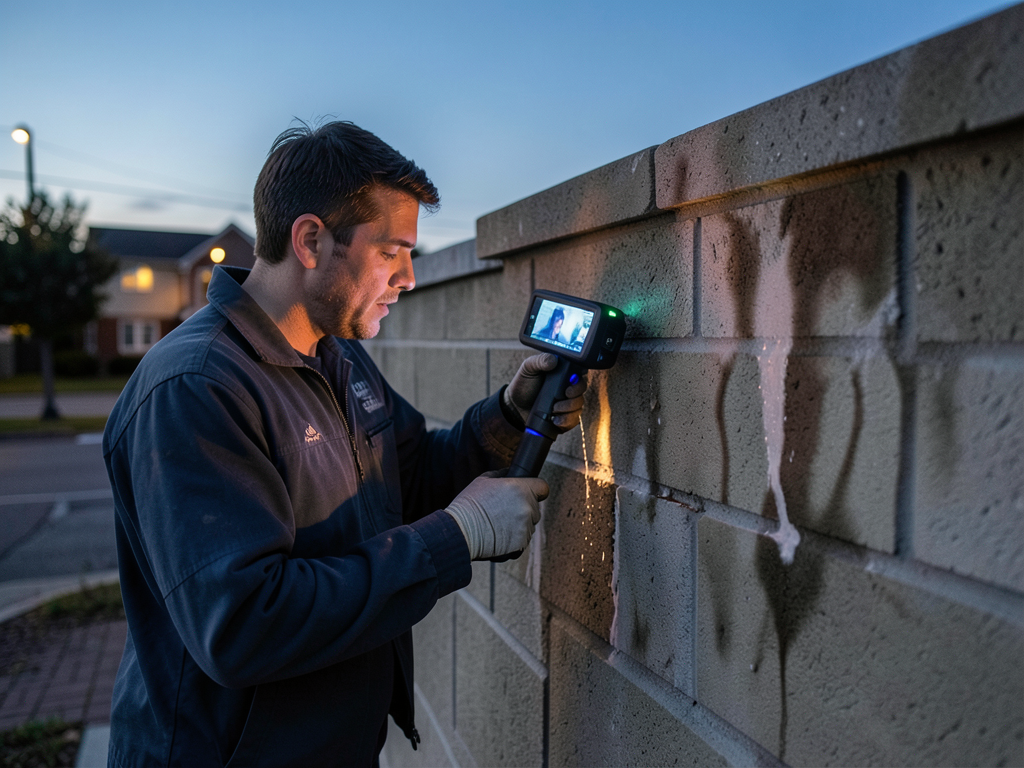
Diagram showing water infiltration points at a party wall junction, including flashing failure, coping stone cracks, and masonry saturation zones.
Who is Responsible? DC Party Wall Laws and Agreements
DC Municipal Regulations (DMR) Title 11, Chapter 16 governs party wall responsibilities. The law presumes shared ownership and liability for maintenance, but this creates ambiguity when leaks occur. Understanding your rights and obligations prevents costly disputes with neighbors. The Best Flat Roof Maintenance Tips for Petworth Homeowners.
The default rule: both property owners share responsibility for maintaining the party wall’s structural integrity. However, if the leak originates from one property’s roofing system, that owner typically bears repair costs. This distinction matters because roof membranes and flashing are considered part of the roofing system, not the party wall structure.
Before any repairs begin, document the leak’s origin using moisture meters and thermal imaging. This evidence proves whether the issue stems from roofing materials (your responsibility) or the shared wall structure (shared responsibility).
Creating a Party Wall Agreement
For extensive repairs, a written agreement between neighbors protects everyone. The agreement should specify:
- Scope of work and materials to be used
- Cost allocation and payment schedule
- Timeline for completion
- Access rights for contractors
- Warranty responsibilities
Many Columbia Heights homeowners associations provide party wall agreement templates that comply with DC law. Without an agreement, you risk your neighbor refusing access or disputing the repair scope later.
Professional Diagnostic Methods
Locating the exact source of a party wall leak requires systematic investigation. Here’s how professionals in Columbia Heights approach the problem:
Moisture Mapping
Using a Delmhorst moisture meter, technicians test the parapet wall at multiple heights. Readings above 18% moisture content indicate active water intrusion. This mapping reveals whether the leak is localized or affects the entire wall length.
Thermal Imaging
Infrared cameras detect temperature differences caused by moisture. Wet areas appear cooler than dry areas, creating a thermal signature that pinpoints leak locations. This non-invasive method works best in the evening when temperature differentials are greatest.
Water Testing
Controlled water testing isolates leak sources. Technicians systematically spray water on different wall sections while monitoring interior moisture levels. This method confirms whether flashing, coping stones, or masonry joints are the culprit.
Core Sampling
For severe cases, removing small masonry cores reveals internal wall conditions. This invasive test shows water damage extent, mortar deterioration, and whether structural repairs are needed beyond waterproofing.
Technician using thermal imaging camera to detect moisture patterns in a Columbia Heights party wall parapet during evening diagnostic testing.
Long-term Repair Solutions for Shared Roof Lines
Once you identify the leak source, permanent repairs require addressing both symptoms and underlying causes. Here are solutions that work in Columbia Heights’ climate and building stock:
Complete Flashing Replacement
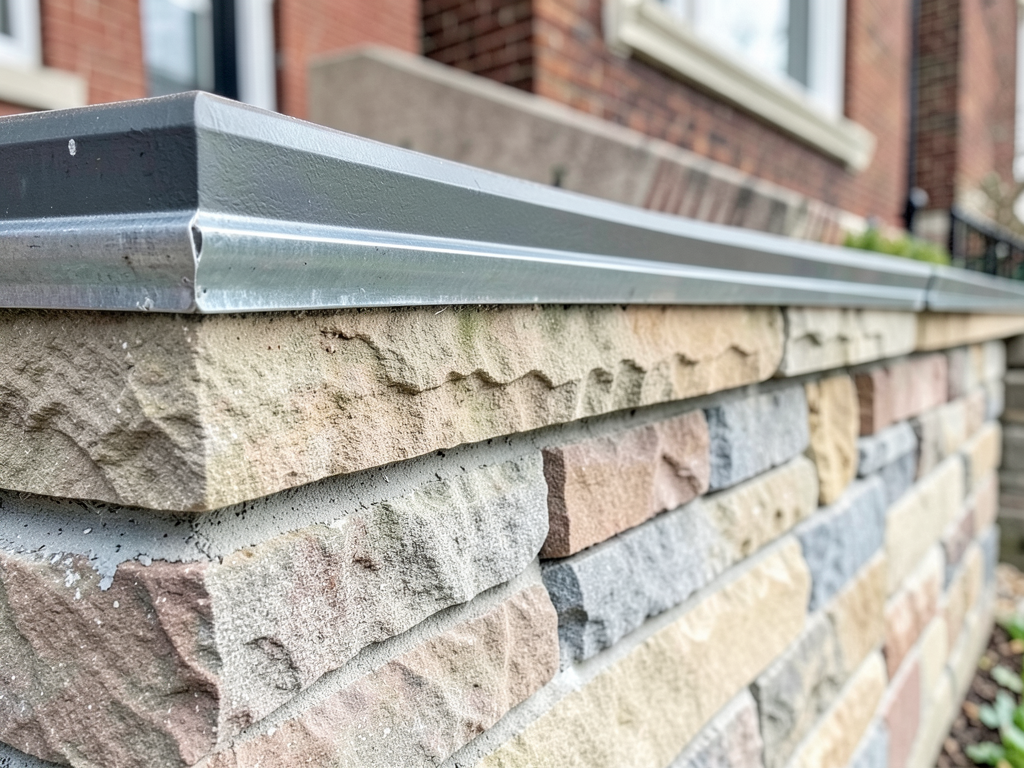
Remove all existing flashing and install new 26-gauge galvanized steel with soldered joints. The new flashing should extend at least 6 inches up the parapet wall and 4 inches onto the roof deck. Use polyurethane sealant at all joints for added protection.
Coping Stone Restoration
Cracked coping stones need complete removal and replacement. New stones should have a slight slope away from the wall to shed water. Apply silane-based penetrating sealer to prevent future moisture absorption while maintaining breathability. The Real Cost of a Roof Replacement for Washington DC Homeowners.
Parapet Wall Waterproofing
Apply elastomeric coating to the entire parapet wall above the roof line. This flexible membrane bridges hairline cracks and provides a secondary water barrier. In Columbia Heights, choose coatings rated for freeze-thaw cycles and high UV exposure.
Roof System Upgrade
Consider upgrading to a single-ply membrane system like TPO or EPDM that integrates better with parapet walls. These modern materials offer superior seam strength and UV resistance compared to traditional modified bitumen.
Drainage Improvements
Install crickets or saddles behind chimneys and at low points to direct water away from vulnerable areas. Add overflow scuppers to prevent ponding water during heavy storms—critical in Columbia Heights where summer downpours can overwhelm standard drainage.. Read more about Troubleshooting Clogged Scupper Boxes on Your Older Rowhouse in Lanier Heights.
Completed party wall repair showing new galvanized flashing, sealed coping stones, and elastomeric coating application on a Columbia Heights rowhome parapet.
Case Study: Party Wall Repair in Columbia Heights
A 1920s rowhome on Harvard Street NW experienced persistent leaks at the party wall with the neighboring unit. The homeowners noticed water stains on their second-floor ceiling after every heavy rain, but the source remained elusive.
Diagnostic testing revealed moisture readings above 22% in the parapet wall, with thermal imaging showing a 15-degree temperature differential along the flashing line. Water testing confirmed that deteriorated lead flashing was allowing water to penetrate at multiple points.
The repair involved:
- Complete removal of old flashing and deteriorated mortar joints
- Installation of new 26-gauge galvanized steel flashing with soldered seams
- Replacement of three cracked limestone coping stones
- Application of elastomeric coating to the entire parapet above roof level
- Installation of overflow scuppers to handle heavy rainfall
The homeowners created a party wall agreement with their neighbor, splitting costs 50/50 since the leak affected both properties. Six months later, after multiple heavy storms, the ceiling remained dry and moisture readings dropped to normal levels.
Preventing Future Party Wall Leaks
Regular maintenance prevents most party wall problems. Schedule annual inspections in late spring to catch winter damage before summer rains arrive. Look for these warning signs:
- Efflorescence or white mineral deposits on parapet walls
- Cracks wider than 1/8 inch in coping stones
- Missing or loose flashing sections
- Interior water stains after rainfall
- Musty odors in upper-floor rooms
Keep roof drains and scuppers clear of debris. Columbia Heights’ mature trees drop leaves and twigs that can clog drainage systems, causing water to back up and find entry points through the party wall.
Consider applying a silane-based water repellent to the entire parapet wall every 5-7 years. This treatment penetrates deep into the masonry, creating a hydrophobic barrier that prevents moisture absorption while allowing the wall to breathe.
Insurance Considerations
Standard homeowners insurance typically covers sudden, accidental water damage but not gradual deterioration. If your party wall leak results from long-term flashing failure, your claim might be denied. Document the leak’s sudden appearance and any storm events that triggered it.
For shared damage affecting both properties, coordinate with your neighbor on insurance claims. Some policies offer coverage for damage to shared structures, but filing separate claims for the same event can complicate the process.
Frequently Asked Questions
How do I know if the leak is coming from my roof or my neighbor’s?
Professional moisture testing and thermal imaging can pinpoint the leak’s origin. If the water entry point is on your side of the property line, you’re likely responsible for repairs. However, if the flashing or parapet structure is shared, both parties may share liability.
Can I repair a party wall leak myself?
Minor repairs like sealing small cracks might be DIY-friendly, but party wall leaks often require specialized knowledge of flashing installation and masonry work. Improper repairs can worsen the problem and void any existing warranties. Professional assessment ensures proper diagnosis and lasting solutions.
How long do party wall repairs typically take?
Most party wall repairs in Columbia Heights take 2-4 days, depending on the extent of damage and weather conditions. Complex cases involving complete flashing replacement or coping stone restoration may require up to a week. Your contractor should provide a detailed timeline before starting work.
What’s the average cost for party wall leak repairs?
Costs vary widely based on damage extent. Simple flashing repairs might cost $1,500-$3,000, while complete parapet restoration can exceed $8,000. Factors affecting price include material choices, accessibility, and whether neighbor agreements are needed. Always get multiple quotes and verify contractor licensing.
Does historic district status affect party wall repairs?
Yes. Homes in Columbia Heights historic districts may require approval from the Historic Preservation Office before making exterior modifications. This process can add time to your project but ensures repairs maintain the neighborhood’s architectural character. Your contractor should handle permit requirements. Navigating Historic Preservation Roofing Rules in Dupont Circle.
Call (771) 240-3300 today to schedule your inspection. Party wall leaks won’t fix themselves—each rainstorm causes more damage to your home’s structure and your neighbor’s property. Our Columbia Heights specialists understand the unique challenges of historic rowhome roofing and can provide permanent solutions that protect both properties.
Don’t wait for the next storm to cause thousands in water damage. Pick up the phone and call (771) 240-3300 before the next heavy rain hits Columbia Heights. We’ll diagnose the problem, explain your options, and get your party wall sealed properly the first time.
{
“@context”: “https://schema.org”,
“@type”: “BlogPosting”,
“headline”: “How to Repair Leaky Party Walls and Parapets Between Rowhouses in Columbia Heights”,
“description”: “Expert guide to diagnosing and repairing party wall leaks in Columbia Heights rowhomes. Learn DC-specific building codes, neighbor liability, and professional repair solutions.”,
“wordCount”: 1919,
“datePublished”: “2026-06-11T06:32:00.000Z”,
“dateModified”: “2026-06-11T06:32:00.000Z”,
“inLanguage”: “en-US”,
“mainEntityOfPage”: {
“@type”: “WebPage”,
“@id”: “https://aceroofingwashingtondc.com”
},
“publisher”: {
“@type”: “LocalBusiness”,
“name”: “Ace Roofing Washington DC”,
“url”: “https://aceroofingwashingtondc.com”
},
“author”: {
“@type”: “Organization”,
“name”: “Ace Roofing Washington DC”,
“url”: “https://aceroofingwashingtondc.com”
},
“image”: {
“@type”: “ImageObject”,
“url”: “https://aceroofingwashingtondc.com/wp-content/uploads/2026/03/how-to-repair-leaky-party-walls-and-parapets-betwe-1.png”
}
}
{
“@context”: “https://schema.org”,
“@type”: “RoofingContractor”,
“name”: “Ace Roofing Washington DC”,
“url”: “https://aceroofingwashingtondc.com”,
“address”: {
“@type”: “PostalAddress”,
“addressLocality”: “Washington DC”
},
“areaServed”: {
“@type”: “City”,
“name”: “Washington DC”
}
}
{
“@context”: “https://schema.org”,
“@type”: “FAQPage”,
“mainEntity”: [
{
“@type”: “Question”,
“name”: “How do I know if the leak is coming from my roof or my neighbor’s?”,
“acceptedAnswer”: {
“@type”: “Answer”,
“text”: “Professional moisture testing and thermal imaging can pinpoint the leak’s origin. If the water entry point is on your side of the property line, you’re likely responsible for repairs. However, if the flashing or parapet structure is shared, both parties may share liability.”
}
},
{
“@type”: “Question”,
“name”: “Can I repair a party wall leak myself?”,
“acceptedAnswer”: {
“@type”: “Answer”,
“text”: “Minor repairs like sealing small cracks might be DIY-friendly, but party wall leaks often require specialized knowledge of flashing installation and masonry work. Improper repairs can worsen the problem and void any existing warranties. Professional assessment ensures proper diagnosis and lasting solutions.”
}
},
{
“@type”: “Question”,
“name”: “How long do party wall repairs typically take?”,
“acceptedAnswer”: {
“@type”: “Answer”,
“text”: “Most party wall repairs in Columbia Heights take 2-4 days, depending on the extent of damage and weather conditions. Complex cases involving complete flashing replacement or coping stone restoration may require up to a week. Your contractor should provide a detailed timeline before starting work.”
}
},
{
“@type”: “Question”,
“name”: “What’s the average cost for party wall leak repairs?”,
“acceptedAnswer”: {
“@type”: “Answer”,
“text”: “Costs vary widely based on damage extent. Simple flashing repairs might cost $1,500-$3,000, while complete parapet restoration can exceed $8,000. Factors affecting price include material choices, accessibility, and whether neighbor agreements are needed. Always get multiple quotes and verify contractor licensing.”
}
}
]
}
{
“@context”: “https://schema.org”,
“@type”: “BreadcrumbList”,
“itemListElement”: [
{
“@type”: “ListItem”,
“position”: 1,
“name”: “Home”,
“item”: “https://aceroofingwashingtondc.com”
},
{
“@type”: “ListItem”,
“position”: 2,
“name”: “Blog”,
“item”: “https://aceroofingwashingtondc.com/blog”
},
{
“@type”: “ListItem”,
“position”: 3,
“name”: “How to Repair Leaky Party Walls and Parapets Between Rowhouses in Columbia Heights”
}
]
}
{
“@context”: “https://schema.org”,
“@type”: “Service”,
“serviceType”: “Roofing”,
“provider”: {
“@type”: “LocalBusiness”,
“name”: “Ace Roofing Washington DC”,
“url”: “https://aceroofingwashingtondc.com”
},
“areaServed”: {
“@type”: “City”,
“name”: “Washington DC”
},
“description”: “Expert guide to diagnosing and repairing party wall leaks in Columbia Heights rowhomes. Learn DC-specific building codes, neighbor liability, and professional repair solutions.”
}