
Asphalt Shingle Roof Replacement in AU Park, Washington D.C.
Homeowners in American University Park face unique roofing challenges. The neighborhood’s mature oak and maple trees drop heavy debris onto roofs throughout the year. Combined with Washington D.C.’s high humidity and occasional severe storms, asphalt shingles in AU Park typically last 15-20 years before showing significant wear. D.C. Department of Buildings.
Replacing your asphalt shingles in American University Park requires more than just new materials. You need a contractor who understands the specific demands of the area’s historic Colonial and Tudor-style homes, navigates D.C. Department of Buildings permitting requirements, and handles the logistics of working on narrow NW D.C. streets. Navigating Historic Preservation Roofing Rules in Dupont Circle.
American University Park sits in Ward 3, where property values and building standards are high. Your roof replacement affects not just your home’s protection but also its curb appeal and resale value. The right contractor will help you choose materials that complement your home’s architecture while meeting all local code requirements.
Why AU Park Homeowners Choose Asphalt Shingles
Asphalt shingles remain the most popular roofing choice in American University Park for several reasons. The material’s versatility allows it to complement the neighborhood’s diverse architectural styles, from classic Colonials to modern interpretations. Metal Roof vs Asphalt Shingles Cost.
Three-tab shingles work well on homes with simpler rooflines, offering a clean, traditional appearance at a reasonable cost. Architectural shingles, with their dimensional look and enhanced durability, suit the more substantial homes common in AU Park. These premium shingles can withstand the area’s wind gusts and resist algae growth in our humid climate.
The neighborhood’s tree canopy creates specific considerations. Leaves and small branches accumulate in roof valleys and around chimneys. Quality asphalt shingles with algae-resistant granules help prevent the black streaks that commonly appear on roofs in shaded areas. Some homeowners opt for impact-resistant shingles to protect against falling tree limbs during storms.
Local building codes in Ward 3 require specific underlayment and flashing details that experienced AU Park roofers understand. The D.C. Historic Preservation Office may have input if your home is near historic districts, though most of AU Park is not subject to those restrictions.
The Impact of D.C. Weather on Your Roof
Washington D.C.’s climate creates unique stresses on asphalt shingles. Summer temperatures regularly exceed 90 degrees Fahrenheit, causing shingles to expand and contract. This thermal cycling weakens the adhesive strips and can lead to curling or buckling over time.
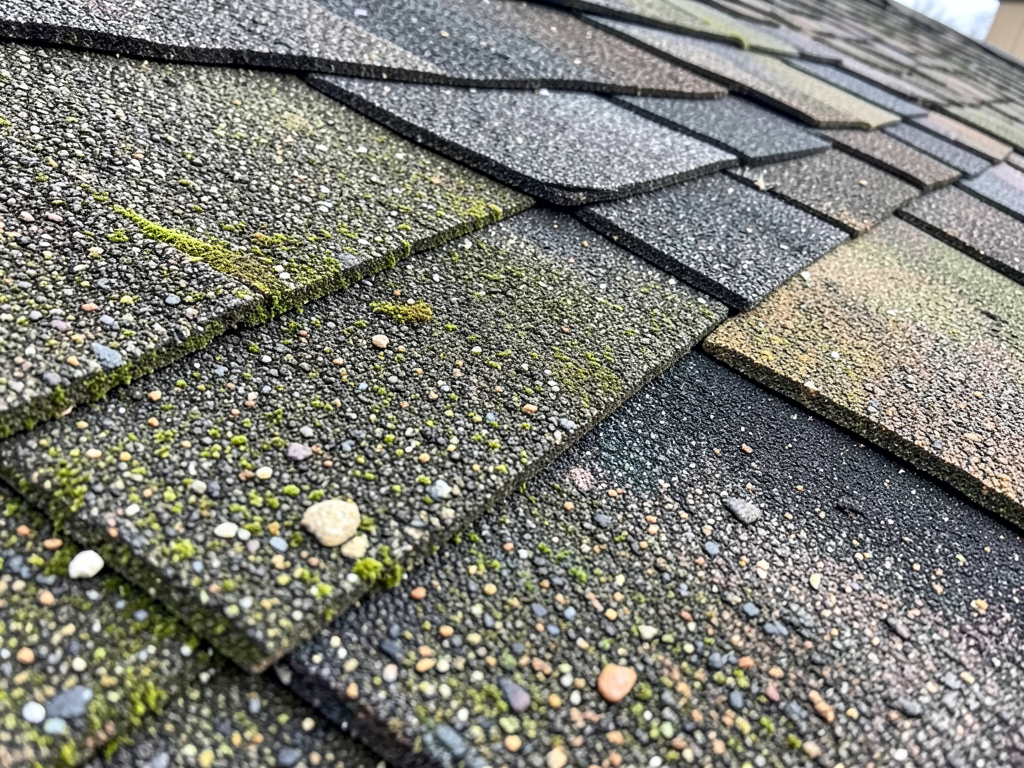
High humidity levels in the Mid-Atlantic region promote algae and moss growth. Gloeocapsa magma, the black algae commonly seen on roofs, thrives in our climate. While it doesn’t damage shingles directly, it holds moisture against the surface and creates unsightly dark streaks that reduce curb appeal.
Winter brings freeze-thaw cycles that can be particularly damaging. Water seeps into tiny cracks in aging shingles, then expands when it freezes. This process widens the cracks over time. Ice damming is another concern in AU Park, where some homes have less-than-optimal attic ventilation. How to Get Your Roof Ready for a DC Winter in Chevy Chase.
Severe thunderstorms roll through the area each summer, bringing high winds that can lift or tear shingles. The National Weather Service reports that the D.C. area experiences wind gusts over 50 mph several times per year. Quality asphalt shingles installed with proper fastening patterns can withstand these forces when properly maintained.
Heavy rainfall events have increased in frequency over the past decade. The D.C. Department of Energy and Environment tracks these patterns, noting that intense downpours can overwhelm aging drainage systems. Your roof’s ability to shed water quickly becomes critical during these events.
Our AU Park Replacement Process
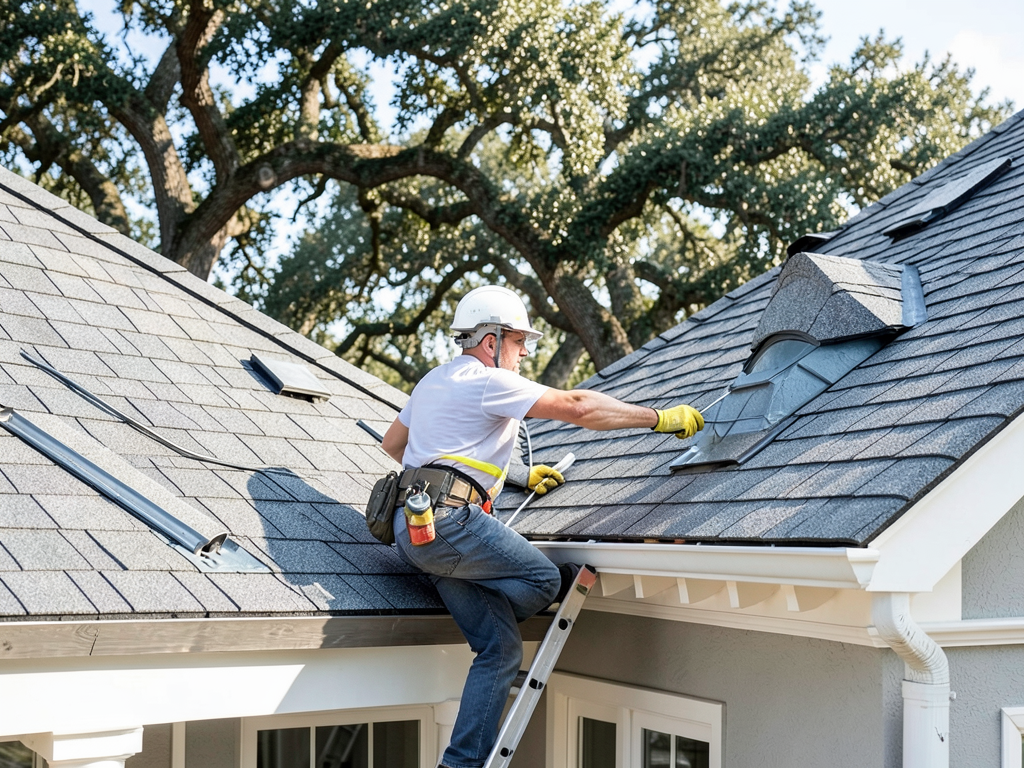
Replacing asphalt shingles in American University Park follows a methodical process that protects your home and property throughout the project. We begin with a comprehensive inspection to assess your roof’s current condition and identify any underlying issues.
Our team examines the roof deck for soft spots, rot, or previous water damage. We check attic ventilation, which is crucial in D.C.’s climate. Poor ventilation accelerates shingle deterioration and can lead to ice dam formation in winter. We also inspect flashing around chimneys, skylights, and roof penetrations.
Once we understand your roof’s condition, we handle all D.C. Department of Buildings permitting requirements. Ward 3 has specific regulations for residential roofing projects, including requirements for underlayment, ice and water shield installation, and proper disposal of old materials. We ensure your project complies with all local codes. Roofing Rockville.
During the tear-off phase, we use protective measures to safeguard your landscaping and property. Our crews work systematically, removing old shingles and inspecting the roof deck as they progress. We replace any damaged decking before installing new materials.
Installation follows manufacturer specifications for the specific shingle product you’ve selected. This includes proper nailing patterns, starter strip installation, and ridge cap placement. We install ice and water shield in all valleys and along eaves where ice damming is most likely to occur.
Cleanup is thorough and complete. We use magnetic sweepers to collect any nails or metal debris from your property. We remove all old materials and leave your property in better condition than we found it. Our final inspection ensures every detail meets our quality standards.
Local Regulations and Permitting in Ward 3
Washington D.C. has specific requirements for residential roofing projects that affect American University Park homeowners. The D.C. Department of Buildings (formerly DCRA) oversees all construction and renovation work in the District.
For roof replacements, you need a building permit regardless of your home’s size. The permit process ensures your contractor follows current building codes, which include requirements for underlayment quality, flashing details, and proper ventilation. These codes have evolved to address the specific challenges of D.C.’s climate and housing stock.
Warranties must be registered with manufacturers within specific timeframes. Most asphalt shingle manufacturers require registration within 90 days of installation to activate full warranty coverage. We handle all warranty paperwork as part of our service.
Noise regulations in D.C. restrict construction hours. Roofing work typically must occur between 7 AM and 7 PM on weekdays, with limited weekend work allowed. We plan our schedules to minimize disruption to you and your neighbors while completing the project efficiently.
Waste disposal in the District follows strict guidelines. Asphalt shingles are considered construction debris and must be disposed of at approved facilities. We handle all disposal, ensuring materials are taken to facilities that can process and recycle roofing waste when possible.
Insurance requirements in D.C. are stringent. Contractors must carry liability insurance and workers’ compensation coverage. We maintain all required insurance and can provide certificates showing our coverage levels and policy numbers upon request.
Estimated Costs for AU Park Roofing Projects
Roof replacement costs in American University Park vary based on several factors specific to the neighborhood and your home’s characteristics. Understanding these factors helps you budget appropriately for this significant home improvement project.
Roof size is the primary cost determinant. Most homes in AU Park range from 1,500 to 3,000 square feet of living space, with roof areas typically between 20 to 35 squares (a roofing square equals 100 square feet). The roof’s complexity also affects cost, with multiple valleys, dormers, or steep pitches increasing labor requirements.
Material selection significantly impacts your project cost. Three-tab shingles represent the most economical option, while architectural shingles cost more but offer better durability and appearance. Premium impact-resistant or algae-resistant shingles add to the upfront cost but can provide better long-term value in D.C.’s climate.
Decking condition affects your final price. If we discover rotted or damaged decking during tear-off, replacement costs will increase. This is common in older AU Park homes where original roof decks may have been exposed to decades of moisture.
Permitting fees in D.C. typically range from $200 to $500, depending on your project’s scope. We handle all permit acquisition and include these fees in our proposals. Some homeowners are surprised by these costs, but they ensure your project meets all safety and building code requirements.
Access considerations in AU Park can affect pricing. Narrow streets and limited driveway space may require additional equipment or labor to safely remove old materials and deliver new ones. We factor these logistical challenges into our project planning.
Seasonal timing influences costs. Late spring through early fall represents peak roofing season in D.C., when demand and prices are highest. Scheduling your project during shoulder seasons might offer slight cost advantages, though weather considerations become more important.
Long-term value should factor into your decision. A quality roof replacement can provide 60-80% return on investment when you sell your home, according to national remodeling cost versus value reports. In AU Park’s strong real estate market, this return may be even higher.
Identifying When Your AU Park Roof Needs Replacement
Knowing when to replace your asphalt shingles can prevent costly water damage to your American University Park home. Several warning signs indicate it’s time to consider a replacement rather than another repair.
Age is the first indicator. Most asphalt shingles in D.C.’s climate last 15-25 years, depending on quality and maintenance. If your roof is approaching or exceeding this age range, replacement becomes more cost-effective than continued repairs. We can help you determine your roof’s age if you’re unsure. The Best Flat Roof Maintenance Tips for Petworth Homeowners.
Curling or buckling shingles signal advanced wear. When shingles lose their ability to lie flat, they can no longer effectively shed water. This typically occurs first on south-facing slopes where sun exposure is greatest. Walking on your roof (or having a professional inspect it) can reveal these issues.
Granule loss is another telltale sign. Asphalt shingles are coated with protective granules that shield the underlying asphalt from UV damage. When you see granules accumulating in gutters or washing onto walkways after rain, your shingles are nearing the end of their useful life.
Missing shingles or those with visible cracks indicate your roof can no longer provide reliable protection. Wind damage often causes these issues, but they can also result from age-related deterioration. Multiple missing or damaged shingles in different areas suggest widespread failure.
Water stains on ceilings or walls inside your home point to active leaks. While the source of a leak isn’t always directly above the visible stain, roof leaks require immediate attention. Multiple leak locations often indicate the need for complete replacement rather than spot repairs.
Sagging roof decks suggest structural issues that require immediate professional evaluation. This can result from long-term water damage, excessive weight from multiple shingle layers, or compromised decking. A sagging roof poses safety risks and requires prompt remediation.
Energy bill increases might indicate compromised roof ventilation or insulation. While not always a roofing issue, deteriorating shingles can allow heat transfer that forces your HVAC system to work harder, particularly noticeable in D.C.’s humid summers.
Storm Damage Restoration in Northwest DC
Washington D.C. experiences severe weather events that can damage asphalt shingles, particularly in tree-lined neighborhoods like American University Park. Understanding how to respond to storm damage protects your home and helps with insurance claims.
High winds are the most common cause of shingle damage. Wind speeds over 45 mph can lift shingle edges, breaking the adhesive bond. Once this seal is broken, progressive failure occurs as wind gets under the damaged area. Hurricane-force winds, while rare in D.C., can cause catastrophic damage.
Hail damage often goes unnoticed from the ground but can significantly reduce shingle lifespan. Hail impacts create small bruises or pockmarks on shingles, removing granules and exposing the asphalt to accelerated UV degradation. We use specific diagnostic techniques to identify hail damage during inspections.
Tree damage represents another storm-related risk in AU Park. Falling branches can crack or puncture shingles, creating immediate leak paths. Even without direct impact, branches rubbing against roofs during storms can damage shingle surfaces over time.
After severe weather, document any visible damage with photos before making temporary repairs. This documentation proves valuable for insurance claims. We can provide professional damage assessments that insurance companies recognize and accept.
Emergency tarping services are available when immediate protection is needed. If a storm damages your roof and causes active leaking, temporary tarping prevents further interior damage while permanent repairs are scheduled. We offer 24/7 emergency response for urgent situations.
Insurance claim navigation can be complex. We work with all major insurance providers and can meet with adjusters to ensure all damage is properly documented and included in claim settlements. Our experience with D.C. insurance requirements helps streamline this process.
Preventative measures include keeping trees trimmed away from your roof and ensuring all flashings are properly sealed. These steps reduce vulnerability to storm damage but cannot eliminate risk entirely in our climate.
Ventilation Requirements for DC Attic Spaces
Proper attic ventilation is critical for asphalt shingle performance in Washington D.C.’s climate. Many homes in American University Park, particularly older constructions, have ventilation systems that don’t meet current standards, leading to premature shingle failure.
Building codes in D.C. require specific ventilation ratios based on attic floor area. The general requirement is one square foot of net free ventilation area for every 300 square feet of attic space, with specific configurations for different roof types and local conditions.
Intake and exhaust ventilation must be balanced. Soffit vents provide cool air intake, while ridge vents or roof-mounted vents allow hot air to escape. Without proper intake, exhaust vents can create negative pressure that draws conditioned air from your living space, increasing energy costs.
Blocked soffit vents are a common problem in AU Park homes. Insulation often falls into soffit areas over time, blocking airflow. We check for and correct these issues during roof replacements, ensuring your new system performs optimally.
Power vents or turbine vents can supplement natural ventilation in challenging situations. These mechanical options help move air when natural convection isn’t sufficient, particularly important in D.C.’s humid summers when moisture control becomes critical.
Moisture control through ventilation prevents multiple problems. In winter, warm attic air hitting cold roof decks creates condensation that can rot decking. In summer, trapped heat accelerates shingle aging and increases cooling costs. Proper ventilation addresses both concerns.
Ventilation also affects ice dam formation. When attics are too warm, snow melts from beneath and refreezes at roof edges, creating damaging ice dams. Adequate ventilation keeps roof decks cold, preventing this melt-refreeze cycle.
Choosing the Right Contractor for Your AU Park Roof
Selecting a roofing contractor for your American University Park home requires careful consideration. The neighborhood’s specific characteristics demand experience with D.C. building codes, historic district considerations, and local climate challenges.
Licensing and insurance verification is essential. In D.C., roofing contractors must hold valid licenses and carry specific insurance coverages. We maintain all required credentials and can provide documentation proving our standing with the Department of Buildings.
Local experience matters significantly. Contractors familiar with AU Park understand the logistical challenges of narrow streets, mature tree management, and the architectural styles common to the area. This knowledge translates to smoother projects and better outcomes.
Manufacturer certifications indicate a contractor’s commitment to quality. GAF Master Elite and CertainTeed Select ShingleMaster certifications require ongoing training and adherence to strict installation standards. These credentials often come with enhanced warranty options for homeowners. GAF roofing materials.
References from your immediate area provide the most relevant feedback. Ask potential contractors for examples of recent work in American University Park or nearby neighborhoods. Visiting completed projects gives you confidence in their workmanship and attention to detail.
Detailed written proposals prevent misunderstandings. Your estimate should specify materials, scope of work, timeline, payment schedule, and warranty information. Vague proposals often lead to change orders and cost increases during the project.
Communication style matters for a smooth project. Your contractor should explain technical aspects in understandable terms, keep you informed of progress, and be responsive to questions throughout the process. Poor communication often predicts project problems.
Cleanup procedures should be clearly stated. Professional contractors use protective measures for landscaping, implement thorough cleanup protocols, and address any damage that occurs during the project. These details should be included in your written agreement.
Maintenance Tips for Your New Asphalt Roof
After investing in a new asphalt shingle roof for your American University Park home, proper maintenance extends its lifespan and protects your investment. Simple seasonal tasks prevent minor issues from becoming major problems.
Keep gutters clean and free of debris. Clogged gutters cause water to back up under shingles, particularly during D.C.’s heavy rainfall events. Clean gutters at least twice yearly, more often if your property has many trees.
Trim tree branches away from your roof. Branches rubbing against shingles during wind create wear points that accelerate deterioration. They also drop leaves and small branches that trap moisture against the roof surface.
Check attic ventilation seasonally. Look for signs of moisture, such as frost on nails in winter or excessive heat in summer. Ensure soffit vents remain clear of insulation blockage. Proper airflow prevents many common roofing problems.
Inspect your roof after severe weather. Look for missing or damaged shingles, particularly after high wind or hail events. Early detection of damage allows for timely repairs before leaks develop.
Address moss or algae growth promptly. While these organisms don’t immediately damage shingles, they retain moisture and can accelerate deterioration. Professional cleaning using appropriate methods prevents damage to your roof surface.
Avoid pressure washing your roof. High-pressure water can strip granules from shingles and force water under the roofing material. If cleaning is necessary, use methods recommended by shingle manufacturers.
Document your roof’s condition with photos when new. These serve as a baseline for future comparisons and can be valuable for insurance purposes. Note the installation date and warranty information in your home maintenance records.
Schedule professional inspections every few years. Professional roofers can identify developing issues invisible from the ground. These inspections often catch problems when repair costs remain minimal.
Energy Efficiency Considerations
Your new asphalt shingle roof in American University Park can contribute to your home’s energy efficiency. Several options help reduce cooling costs during D.C.’s hot, humid summers.
Reflective shingles use special granules that reflect more solar radiation than standard shingles. While not as effective as cool roof systems in hot climates, they can reduce roof surface temperatures by 10-15 degrees Fahrenheit, lowering cooling costs.
Proper attic insulation complements your roof’s performance. In D.C.’s climate, the recommended attic insulation level is R-49 to R-60. This prevents heat transfer in summer and heat loss in winter, working with your roof system for optimal efficiency.
Ventilation improvements reduce cooling loads by preventing heat buildup in attics. Solar-powered attic fans can enhance this effect without adding to your electricity costs, though they work best as supplements to passive ventilation systems.
Radiant barriers installed under roof decks reflect heat away from living spaces. These metallic foil sheets are particularly effective in D.C.’s climate, where summer cooling represents a significant energy expense for most homeowners.
Color selection affects heat absorption. Lighter colored shingles reflect more heat than dark ones, though the difference is less pronounced with modern reflective granules. We can show you energy performance data for different color options.
Roof maintenance directly impacts energy efficiency. Damaged or missing shingles allow heat transfer that forces air conditioning systems to work harder. Prompt repairs maintain your roof’s insulating properties.
Whole-house energy audits can identify opportunities for roof-related improvements. Many utility companies offer rebates for audits and subsequent efficiency upgrades, potentially offsetting some roofing costs.
Frequently Asked Questions
How long does an asphalt shingle roof last in American University Park?
Most asphalt shingle roofs in AU Park last 15-25 years, depending on shingle quality, ventilation, and maintenance. Premium architectural shingles with proper installation often reach the upper end of this range or slightly beyond.
Will I need a permit for my roof replacement?
Yes. D.C. requires building permits for all roof replacements regardless of home size. We handle all permitting requirements as part of our service, ensuring your project complies with local codes.
How long does a typical roof replacement take?
Most residential roof replacements in AU Park take 1-3 days, depending on roof size, complexity, and weather conditions. We provide specific timelines during the proposal process and keep you informed of progress.
Can I install new shingles over my existing roof?
D.C. building codes generally allow only one layer of roofing material. We must remove existing shingles before installing new ones to ensure proper inspection of the roof deck and compliance with current building standards.
What warranties come with a new asphalt shingle roof?
Warranty coverage varies by manufacturer and product line. Standard warranties cover manufacturing defects for 20-50 years. We also provide a workmanship warranty covering installation quality for a specified period.
How do I know if my roof has storm damage?
Visible signs include missing or torn shingles, dented metal vents, and granules collecting in gutters. Some damage, particularly hail impact, requires professional inspection to identify. We offer free damage assessments after severe weather events.
Should I be home during the roof replacement?
You don’t need to be home during installation, but we recommend being available by phone during the first day for any questions. We’ll keep you informed of progress and address any concerns promptly.
What happens to my old shingles?
We remove and dispose of all old roofing materials as part of our service. In D.C., asphalt shingles are taken to approved construction waste facilities. We ensure proper disposal and recycling when facilities are available.
How do I prepare my property for roof replacement?
Remove vehicles from driveways, cover items in attic spaces, and secure loose objects around your property. We’ll handle protecting landscaping and provide specific preparation instructions before your project begins.
Can you work on my roof during rainy weather?
We monitor weather forecasts carefully and schedule work during dry periods. If unexpected rain occurs during your project, we have emergency procedures to protect your home from water intrusion until work can resume.
Ready to replace your asphalt shingles in American University Park? Call (771) 240-3300 today to schedule your free inspection. Our experienced team understands the specific needs of AU Park homes and will provide a detailed proposal with no hidden costs.
Don’t wait until minor issues become major problems. Pick up the phone and call (771) 240-3300 before the next storm hits. We’re here to protect your home with quality workmanship and materials that stand up to D.C.’s challenging climate.
American University Park homeowners trust us for reliable roofing solutions backed by solid warranties and responsive service. Contact us now to join our list of satisfied customers in your neighborhood.
Learn more about historic district roofing requirements
See typical cost factors for DC roof replacements
{
“@context”: “https://schema.org”,
“@type”: “BlogPosting”,
“headline”: “Replacing Your Asphalt Shingles in American University Park”,
“description”: “Expert asphalt shingle replacement in American University Park. Licensed DC roofers handle permits, mature tree debris, and historic neighborhood compliance. Call (771) 240-3300 for a free inspection.”,
“wordCount”: 3770,
“datePublished”: “2026-03-16T14:33:00.000Z”,
“dateModified”: “2026-03-16T14:33:00.000Z”,
“inLanguage”: “en-US”,
“mainEntityOfPage”: {
“@type”: “WebPage”,
“@id”: “https://aceroofingwashingtondc.com”
},
“publisher”: {
“@type”: “LocalBusiness”,
“name”: “Ace Roofing Washington DC”,
“url”: “https://aceroofingwashingtondc.com”
},
“author”: {
“@type”: “Organization”,
“name”: “Ace Roofing Washington DC”,
“url”: “https://aceroofingwashingtondc.com”
},
“image”: {
“@type”: “ImageObject”,
“url”: “https://aceroofingwashingtondc.com/wp-content/uploads/2026/03/replacing-your-asphalt-shingles-in-american-univer-1.png”
}
}
{
“@context”: “https://schema.org”,
“@type”: “RoofingContractor”,
“name”: “Ace Roofing Washington DC”,
“url”: “https://aceroofingwashingtondc.com”,
“address”: {
“@type”: “PostalAddress”,
“addressLocality”: “Washington DC”
},
“areaServed”: {
“@type”: “City”,
“name”: “Washington DC”
}
}
{
“@context”: “https://schema.org”,
“@type”: “FAQPage”,
“mainEntity”: [
{
“@type”: “Question”,
“name”: “How long does an asphalt shingle roof last in American University Park?”,
“acceptedAnswer”: {
“@type”: “Answer”,
“text”: “Most asphalt shingle roofs in AU Park last 15-25 years, depending on shingle quality, ventilation, and maintenance. Premium architectural shingles with proper installation often reach the upper end of this range or slightly beyond.”
}
},
{
“@type”: “Question”,
“name”: “Will I need a permit for my roof replacement?”,
“acceptedAnswer”: {
“@type”: “Answer”,
“text”: “Yes. D.C. requires building permits for all roof replacements regardless of home size. We handle all permitting requirements as part of our service, ensuring your project complies with local codes.”
}
},
{
“@type”: “Question”,
“name”: “How long does a typical roof replacement take?”,
“acceptedAnswer”: {
“@type”: “Answer”,
“text”: “Most residential roof replacements in AU Park take 1-3 days, depending on roof size, complexity, and weather conditions. We provide specific timelines during the proposal process and keep you informed of progress.”
}
},
{
“@type”: “Question”,
“name”: “Can I install new shingles over my existing roof?”,
“acceptedAnswer”: {
“@type”: “Answer”,
“text”: “D.C. building codes generally allow only one layer of roofing material. We must remove existing shingles before installing new ones to ensure proper inspection of the roof deck and compliance with current building standards.”
}
},
{
“@type”: “Question”,
“name”: “What warranties come with a new asphalt shingle roof?”,
“acceptedAnswer”: {
“@type”: “Answer”,
“text”: “Warranty coverage varies by manufacturer and product line. Standard warranties cover manufacturing defects for 20-50 years. We also provide a workmanship warranty covering installation quality for a specified period.”
}
},
{
“@type”: “Question”,
“name”: “How do I know if my roof has storm damage?”,
“acceptedAnswer”: {
“@type”: “Answer”,
“text”: “Visible signs include missing or torn shingles, dented metal vents, and granules collecting in gutters. Some damage, particularly hail impact, requires professional inspection to identify. We offer free damage assessments after severe weather events.”
}
},
{
“@type”: “Question”,
“name”: “Should I be home during the roof replacement?”,
“acceptedAnswer”: {
“@type”: “Answer”,
“text”: “You don’t need to be home during installation, but we recommend being available by phone during the first day for any questions. We’ll keep you informed of progress and address any concerns promptly.”
}
},
{
“@type”: “Question”,
“name”: “What happens to my old shingles?”,
“acceptedAnswer”: {
“@type”: “Answer”,
“text”: “We remove and dispose of all old roofing materials as part of our service. In D.C., asphalt shingles are taken to approved construction waste facilities. We ensure proper disposal and recycling when facilities are available.”
}
},
{
“@type”: “Question”,
“name”: “How do I prepare my property for roof replacement?”,
“acceptedAnswer”: {
“@type”: “Answer”,
“text”: “Remove vehicles from driveways, cover items in attic spaces, and secure loose objects around your property. We’ll handle protecting landscaping and provide specific preparation instructions before your project begins.”
}
},
{
“@type”: “Question”,
“name”: “Can you work on my roof during rainy weather?”,
“acceptedAnswer”: {
“@type”: “Answer”,
“text”: “We monitor weather forecasts carefully and schedule work during dry periods. If unexpected rain occurs during your project, we have emergency procedures to protect your home from water intrusion until work can resume.”
}
}
]
}
{
“@context”: “https://schema.org”,
“@type”: “BreadcrumbList”,
“itemListElement”: [
{
“@type”: “ListItem”,
“position”: 1,
“name”: “Home”,
“item”: “https://aceroofingwashingtondc.com”
},
{
“@type”: “ListItem”,
“position”: 2,
“name”: “Blog”,
“item”: “https://aceroofingwashingtondc.com/blog”
},
{
“@type”: “ListItem”,
“position”: 3,
“name”: “Replacing Your Asphalt Shingles in American University Park”
}
]
}
{
“@context”: “https://schema.org”,
“@type”: “Service”,
“serviceType”: “Roofing”,
“provider”: {
“@type”: “LocalBusiness”,
“name”: “Ace Roofing Washington DC”,
“url”: “https://aceroofingwashingtondc.com”
},
“areaServed”: {
“@type”: “City”,
“name”: “Washington DC”
},
“description”: “Expert asphalt shingle replacement in American University Park. Licensed DC roofers handle permits, mature tree debris, and historic neighborhood compliance. Call (771) 240-3300 for a free inspection.”
}