
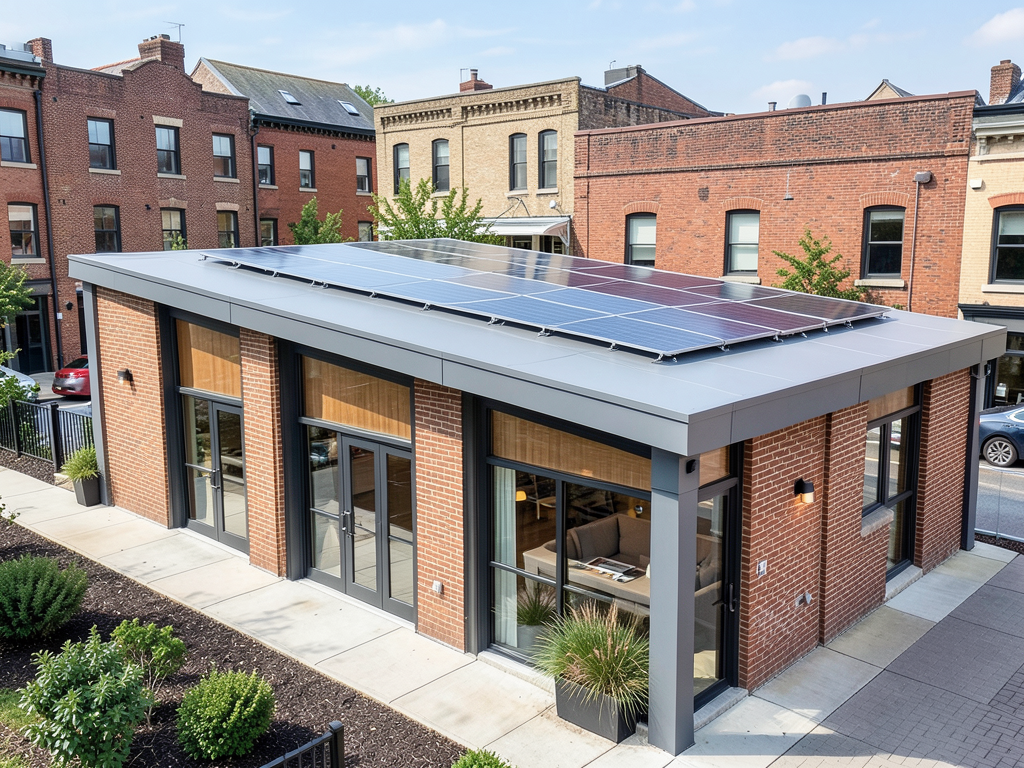
Roofing Your New DC Carriage House or Backyard ADU
Building an Accessory Dwelling Unit in Washington DC means navigating strict zoning codes historic preservation rules and specific fire safety requirements that most general contractors don’t fully understand. You need a roofing specialist who knows DC’s Department of Buildings permit process understands the structural demands of small-footprint carriage houses and can recommend fire-rated materials that meet Class A requirements for secondary dwellings. The right roof protects your investment ensures code compliance and can even help you qualify for DC’s green building incentives. DC Department of Buildings.
DC ADU Roofing More Than Just Shingles
Accessory Dwelling Units in DC face unique challenges that standard residential roofing projects don’t encounter. Height restrictions in alley-dwelling zones limit roof pitch options. Fire separation requirements mean you need specific underlayment and membrane systems. Stormwater management rules from the Department of Energy and Environment affect drainage design. You’re not just adding a roof; you’re creating a legal safe independent living space that must integrate with existing utilities while meeting all DC codes. DC Department of Energy and Environment.
Understanding DC’s ADU Zoning and Building Requirements
DC’s zoning laws changed in 2016 to allow ADUs in many residential zones but the requirements are specific. Alley dwellings must maintain certain setbacks from property lines. Height limits typically cap structures at 18 feet for detached units. The Historic Preservation Review Board reviews any project in historic districts like Capitol Hill or Georgetown. Your roofing plan must show compliance with these restrictions before you even apply for a permit. The DOB requires detailed structural drawings that demonstrate your roof can handle DC’s snow loads and wind requirements. DC Office of Zoning.
Fire-Rated Roofing Materials for DC ADUs
DC building code requires Class A fire-rated roofing materials for ADUs. This means your roof must withstand severe fire exposure without spreading flames. Options include asphalt shingles with fiberglass reinforcement metal roofing with appropriate underlayment or specially rated synthetic materials. The fire rating isn’t just about the visible surface; it includes the entire assembly from decking to underlayment. For carriage houses with shared walls or proximity to main structures this requirement becomes even more critical. Metal Roof vs Asphalt Shingles Cost.
Flat vs Pitched Roofs for DC ADUs
Most DC ADUs use flat or low-slope roofing systems due to height restrictions and the urban context. Flat roofs offer maximum usable space underneath and work well with modern ADU designs. However they require specific waterproofing systems and proper drainage to prevent leaks. Pitched roofs can work in some cases but may push your structure over height limits. The choice affects everything from material selection to maintenance requirements. The Best Flat Roof Maintenance Tips for Petworth Homeowners.
Popular Flat Roof Systems for DC ADUs
TPO Thermoplastic Polyolefin membranes offer excellent UV resistance and energy efficiency for DC’s hot summers. EPDM Ethylene Propylene Diene Monomer provides proven durability and easy repair options. Built-Up Roofing BUR systems work well for larger ADUs but require more maintenance. Each system has different installation requirements and lifespans. TPO typically lasts 20-30 years EPDM 25-30 years and BUR 15-25 years with proper maintenance.
DC Stormwater Management and Your ADU Roof
DOEE requires stormwater management for any new roof over 200 square feet. This means your ADU roof must either direct water to existing drainage systems or include on-site retention features. Green roofs can help meet these requirements while providing insulation benefits. Rainwater harvesting systems can reduce your utility costs and qualify for DC green building incentives. The key is designing your roof to handle DC’s intense summer thunderstorms without overwhelming your property’s drainage.
Solar-Ready Roofing for DC ADUs
DC offers substantial incentives for solar installations through the DC Sustainable Energy Utility. Designing your ADU roof for future solar panels can save thousands in installation costs. This means using structural framing that can support panel weight planning for conduit routing and selecting roofing materials compatible with solar mounting systems. Some ADU owners combine solar with battery storage to create net-zero energy units that qualify for additional tax credits.
Permit Process for ADU Roofing in Washington DC
The DOB permit process for ADU roofing typically takes 4-6 weeks for standard approvals. Complex projects in historic districts may take 8-12 weeks due to HPRB review. You’ll need structural drawings energy calculations and detailed material specifications. The permit fee depends on your ADU’s square footage and complexity. After installation you must schedule inspections to verify compliance with approved plans. Skipping permits can result in fines and forced removal of your ADU. Navigating Historic Preservation Roofing Rules in Dupont Circle.
Cost Factors for ADU Roofing in DC
ADU roofing costs in DC range from $15-30 per square foot depending on materials and complexity. Flat roof systems typically cost less per square foot than pitched roofs but may require more frequent maintenance. Fire-rated materials add 10-15% to material costs but are mandatory for compliance. If your ADU requires structural reinforcement to support roofing loads this can add $2000-5000 to your project. Permit fees range from $500-2000 based on project scope.
Common ADU Roofing Problems and Solutions
Flat roofs on ADUs often develop ponding water if not properly sloped. This can lead to premature membrane failure and leaks. Proper installation includes minimum 1/4 inch per foot slope toward drains. Flashing details around roof edges and penetrations must be watertight to prevent wind-driven rain infiltration. In DC’s freeze-thaw climate ice damming can occur if roof edges aren’t properly insulated. Regular maintenance inspections catch these issues before they cause major damage.
Why ADU Roofing Requires Specialized Expertise
ADU roofing isn’t like standard residential roofing. You’re working with smaller footprints stricter height limits and more complex code requirements. The structural engineer must verify your framing can handle roofing loads while meeting height restrictions. Your roofer needs experience with flat roof systems and knowledge of DC’s specific requirements. Many general contractors lack this specialized knowledge leading to costly mistakes and code violations.
Recent ADU Roofing Projects in DC Neighborhoods
In Petworth we completed a 400-square-foot carriage house conversion using TPO roofing with integrated solar panels. The project required HPRB approval due to the historic district location. In Brookland a modern ADU design used standing seam metal roofing to complement the main house’s architecture while meeting fire code requirements. Each project required navigating specific DOB requirements and coordinating with structural engineers to ensure compliance.
Energy Efficiency and Your ADU Roof
DC’s green building codes encourage energy-efficient roofing through the Green Area Ratio standards. Cool roofing materials with high solar reflectance can reduce cooling costs by 15-30% in DC’s hot summers. Proper insulation with R-30 or higher values prevents heat loss in winter. Some ADU owners install green roofs with vegetation that provides additional insulation while helping meet stormwater management requirements. These features can qualify for expedited permitting and tax incentives. How to Get Your Roof Ready for a DC Winter in Chevy Chase.
Maintenance Requirements for ADU Roofs
ADU roofs need regular maintenance to maximize their lifespan. Flat roofs require twice-yearly inspections to check for ponding membrane damage and flashing integrity. Pitched roofs need annual inspections for shingle damage moss growth and gutter function. In DC’s climate algae growth on north-facing surfaces can be a problem. Professional cleaning and treatment prevent this issue. Proper maintenance can extend your roof’s life by 5-10 years and prevent costly water damage.
Choosing the Right Roofing Contractor for Your ADU
Look for a contractor with specific ADU experience not just general roofing knowledge. They should understand DC’s building codes have relationships with structural engineers and be familiar with the DOB permit process. Ask for examples of similar projects they’ve completed. Verify they carry proper licensing and insurance for DC work. A good ADU roofer will help you navigate the entire process from design through final inspection.
Frequently Asked Questions
How long does it take to roof an ADU in DC?
Most ADU roofing projects take 2-3 weeks from start to finish. This includes permit processing time material delivery and installation. Complex projects in historic districts may take longer due to additional review requirements.
Do I need a permit for ADU roofing in Washington DC?
Yes you need a building permit for any ADU roofing project in DC. The DOB requires permits for structural changes new roofing installations and any work that affects the building envelope. Permit fees range from $500-2000 based on project scope.
What’s the best roofing material for a DC ADU?
The best material depends on your specific needs. TPO works well for flat roofs with good energy efficiency. Metal roofing offers durability and can work with sloped designs. EPDM provides proven performance for budget-conscious projects. All must meet Class A fire ratings for ADUs.
How much does ADU roofing cost in Washington DC?
ADU roofing costs range from $15-30 per square foot in DC. A typical 400-square-foot ADU roof costs $6000-12000 including materials and labor. Factors affecting cost include roof complexity material selection and permit requirements.
Can I install solar panels on my ADU roof?
Yes many ADU owners install solar panels. DC offers substantial incentives through DCSEU. Your roof must be designed to support panel weight and you’ll need electrical permits. Some ADU designs integrate solar-ready roofing during initial construction to reduce installation costs.
Ready to Start Your ADU Roofing Project?
Building an ADU in DC requires specialized knowledge of building codes fire safety requirements and permit processes. Don’t risk costly mistakes by hiring a general contractor unfamiliar with DC’s specific requirements. Our team has completed dozens of ADU roofing projects throughout Washington DC from Petworth to Brookland to Capitol Hill. We understand the unique challenges of carriage house conversions and backyard ADUs. Call (771) 240-3300 today to schedule your consultation and get your ADU project moving in the right direction. Why Your Capitol Hill Rowhouse Needs a Specialized Flat Roof System.
DC ADU Roofing Your Next Steps
The first step is understanding your specific zoning requirements for your property. Next we’ll help you design a roof that meets all code requirements while fitting your budget and aesthetic preferences. We’ll handle the permit process coordinate with structural engineers and ensure your ADU roof passes all required inspections. Whether you’re converting an existing structure or building new we have the expertise to make your ADU roofing project successful. Don’t wait until next season to start your project. Call (771) 240-3300 now to schedule your free consultation.
{
“@context”: “https://schema.org”,
“@type”: “BlogPosting”,
“headline”: “Roofing Your New DC Carriage House or Backyard ADU”,
“description”: “Expert DC ADU roofing solutions for carriage houses and backyard units. Navigate DC building codes, fire ratings, and permits with local specialists. Call (771) 240-3300.”,
“wordCount”: 1739,
“datePublished”: “2026-04-22T08:27:00.000Z”,
“dateModified”: “2026-04-22T08:27:00.000Z”,
“inLanguage”: “en-US”,
“mainEntityOfPage”: {
“@type”: “WebPage”,
“@id”: “https://aceroofingwashingtondc.com”
},
“publisher”: {
“@type”: “LocalBusiness”,
“name”: “Ace Roofing Washington DC”,
“url”: “https://aceroofingwashingtondc.com”
},
“author”: {
“@type”: “Organization”,
“name”: “Ace Roofing Washington DC”,
“url”: “https://aceroofingwashingtondc.com”
},
“image”: {
“@type”: “ImageObject”,
“url”: “https://aceroofingwashingtondc.com/wp-content/uploads/2026/03/roofing-your-new-dc-carriage-house-or-backyard-adu-1.png”
}
}
{
“@context”: “https://schema.org”,
“@type”: “RoofingContractor”,
“name”: “Ace Roofing Washington DC”,
“url”: “https://aceroofingwashingtondc.com”,
“address”: {
“@type”: “PostalAddress”,
“addressLocality”: “Washington DC”
},
“areaServed”: {
“@type”: “City”,
“name”: “Washington DC”
}
}
{
“@context”: “https://schema.org”,
“@type”: “FAQPage”,
“mainEntity”: [
{
“@type”: “Question”,
“name”: “How long does it take to roof an ADU in DC?”,
“acceptedAnswer”: {
“@type”: “Answer”,
“text”: “Most ADU roofing projects take 2-3 weeks from start to finish. This includes permit processing time material delivery and installation. Complex projects in historic districts may take longer due to additional review requirements.”
}
},
{
“@type”: “Question”,
“name”: “Do I need a permit for ADU roofing in Washington DC?”,
“acceptedAnswer”: {
“@type”: “Answer”,
“text”: “Yes you need a building permit for any ADU roofing project in DC. The DOB requires permits for structural changes new roofing installations and any work that affects the building envelope. Permit fees range from $500-2000 based on project scope.”
}
},
{
“@type”: “Question”,
“name”: “What’s the best roofing material for a DC ADU?”,
“acceptedAnswer”: {
“@type”: “Answer”,
“text”: “The best material depends on your specific needs. TPO works well for flat roofs with good energy efficiency. Metal roofing offers durability and can work with sloped designs. EPDM provides proven performance for budget-conscious projects. All must meet Class A fire ratings for ADUs.”
}
},
{
“@type”: “Question”,
“name”: “How much does ADU roofing cost in Washington DC?”,
“acceptedAnswer”: {
“@type”: “Answer”,
“text”: “ADU roofing costs range from $15-30 per square foot in DC. A typical 400-square-foot ADU roof costs $6000-12000 including materials and labor. Factors affecting cost include roof complexity material selection and permit requirements.”
}
},
{
“@type”: “Question”,
“name”: “Can I install solar panels on my ADU roof?”,
“acceptedAnswer”: {
“@type”: “Answer”,
“text”: “Yes many ADU owners install solar panels. DC offers substantial incentives through DCSEU. Your roof must be designed to support panel weight and you’ll need electrical permits. Some ADU designs integrate solar-ready roofing during initial construction to reduce installation costs.”
}
},
{
“@type”: “Question”,
“name”: “Ready to Start Your ADU Roofing Project?”,
“acceptedAnswer”: {
“@type”: “Answer”,
“text”: “Building an ADU in DC requires specialized knowledge of building codes fire safety requirements and permit processes. Don’t risk costly mistakes by hiring a general contractor unfamiliar with DC’s specific requirements. Our team has completed dozens of ADU roofing projects throughout Washington DC from Petworth to Brookland to Capitol Hill. We understand the unique challenges of carriage house conversions and backyard ADUs. Call (771) 240-3300 today to schedule your consultation and get your ADU project moving in the right direction. Why Your Capitol Hill Rowhouse Needs a Specialized Flat Roof System.”
}
}
]
}
{
“@context”: “https://schema.org”,
“@type”: “BreadcrumbList”,
“itemListElement”: [
{
“@type”: “ListItem”,
“position”: 1,
“name”: “Home”,
“item”: “https://aceroofingwashingtondc.com”
},
{
“@type”: “ListItem”,
“position”: 2,
“name”: “Blog”,
“item”: “https://aceroofingwashingtondc.com/blog”
},
{
“@type”: “ListItem”,
“position”: 3,
“name”: “Roofing Your New DC Carriage House or Backyard ADU”
}
]
}
{
“@context”: “https://schema.org”,
“@type”: “Service”,
“serviceType”: “Roofing”,
“provider”: {
“@type”: “LocalBusiness”,
“name”: “Ace Roofing Washington DC”,
“url”: “https://aceroofingwashingtondc.com”
},
“areaServed”: {
“@type”: “City”,
“name”: “Washington DC”
},
“description”: “Expert DC ADU roofing solutions for carriage houses and backyard units. Navigate DC building codes, fire ratings, and permits with local specialists. Call (771) 240-3300.”
}