
Trusted Residential Roofing Services for Anacostia and Congress Heights
Washington DC’s Ward 8 presents unique roofing challenges that demand local expertise. From the historic row houses along Martin Luther King Jr Avenue to the flat-roofed brick homes near Frederick Douglass National Historic Site, Anacostia and Congress Heights require roofing solutions tailored to the specific climate, building codes, and architectural heritage of Southeast DC. DC Department of Consumer and Regulatory Affairs.
High humidity levels in the District create perfect conditions for algae growth on asphalt shingles, while freeze-thaw cycles common to the Mid-Atlantic region cause expansion and contraction that weakens roof materials over time. The urban heat island effect in DC proper accelerates roof aging, making regular maintenance essential for protecting your home investment. DC Historic Preservation Office.
Understanding the Anacostia Roofing Landscape
The Anacostia Historic District contains homes built primarily between 1854 and 1950, featuring brick construction and flat or low-slope roofs designed for the original architectural style. These structures require specialized knowledge of historic preservation guidelines from the DC Historic Preservation Office and the National Park Service, which oversees the Frederick Douglass National Historic Site vicinity. Navigating Historic Preservation Roofing Rules in Dupont Circle.
Many homes in the area feature EPDM rubber membrane systems or built-up roofing (BUR) that were standard installations during the mid-20th century. These flat roof systems demand different maintenance approaches than the pitched roofs common in other DC neighborhoods. Understanding these distinctions separates experienced local contractors from generic roofing companies. The Best Flat Roof Maintenance Tips for Petworth Homeowners.
DC’s Department of Consumer and Regulatory Affairs (DCRA) enforces strict building codes for roofing installations, including requirements for ice and water shield in valleys and around penetrations. The 2021 DC Construction Codes mandate specific underlayment requirements for low-slope applications that differ significantly from national standards.
Common Roofing Issues in Southeast DC Homes
Flat roof systems in Anacostia and Congress Heights face unique challenges from the area’s weather patterns. Heavy summer thunderstorms can overwhelm drainage systems, while winter ice damming creates pressure points that lead to membrane separation. The combination of age and weather exposure means many homes in the area need comprehensive roof evaluations. How to Get Your Roof Ready for a DC Winter in Chevy Chase.
Water infiltration through aging flashing around chimneys, vents, and skylights represents the most frequent cause of interior damage. In historic brick homes, mortar deterioration creates additional vulnerabilities where roof structures meet exterior walls. These issues often manifest as ceiling stains or wall moisture that homeowners notice only after significant damage has occurred.
Roof deck deterioration presents another common problem in older Anacostia homes. Original wood decking, often spaced sheathing from the early 20th century, becomes compromised by moisture intrusion over decades. A simple visual inspection cannot detect this underlying structural weakness, which requires physical testing with moisture meters at multiple depths.
Emergency Roof Repair Services When You Need Them Most
Roof emergencies in Anacostia and Congress Heights demand immediate response due to the potential for extensive interior damage. Heavy winds can tear away sections of membrane roofing, while falling tree limbs from mature trees common in the area can puncture multiple layers of roofing material.
Emergency tarping represents the first critical step in damage control. This process involves securing heavy-duty polyethylene sheeting over the damaged area to prevent additional water intrusion while permanent repairs are scheduled. The technique requires understanding wind uplift forces and proper fastening patterns specific to flat roof applications.
Water leak detection in flat roof systems requires systematic testing that goes beyond visual inspection. Technicians use electronic leak detection equipment that can pinpoint breaches in membrane systems without destructive testing. This technology proves essential for historic homes where preserving original materials takes priority over wholesale replacement. The Real Cost of a Roof Replacement for Washington DC Homeowners.
Flat Roof Replacement and Installation Options
Modern flat roof systems offer significantly improved performance compared to older installations common in Anacostia. Thermoplastic polyolefin (TPO) membranes provide excellent UV resistance and energy efficiency, reducing cooling costs during DC’s humid summers. These white or light-colored membranes reflect solar radiation rather than absorbing it.
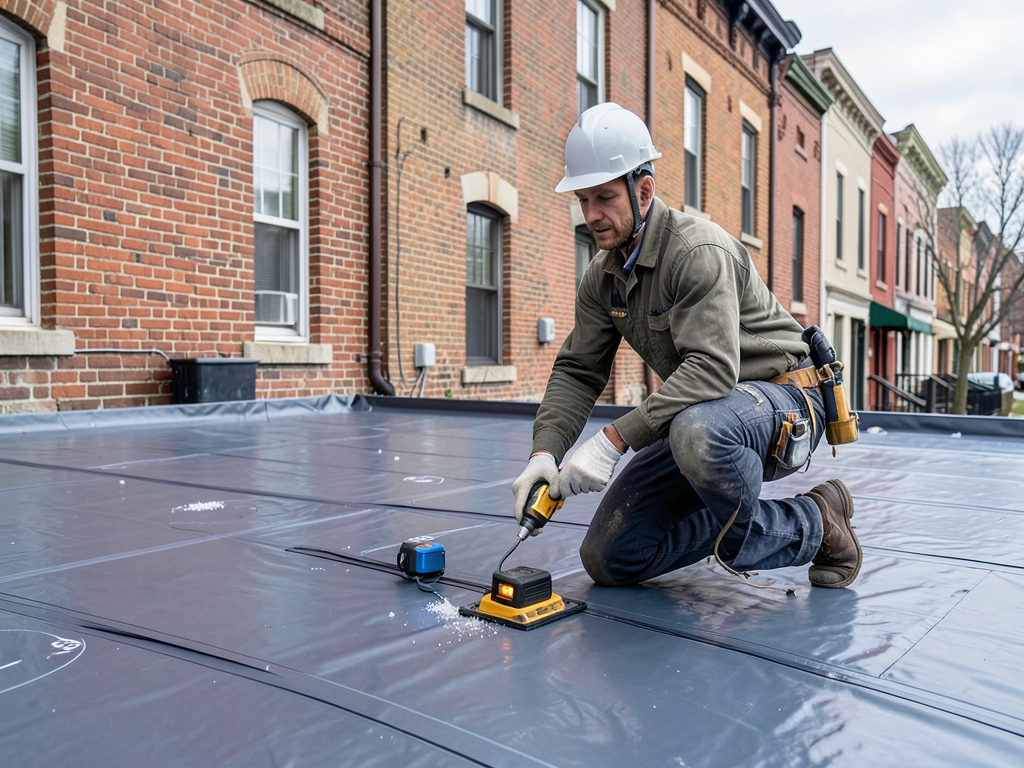
EPDM rubber roofing remains a popular choice for its proven track record and ease of repair. The material’s flexibility allows it to accommodate the minor structural movements common in older brick homes. Proper installation requires understanding seam welding techniques and the importance of adequate slope for drainage.
Built-up roofing systems using multiple layers of felt and asphalt offer superior durability for commercial applications but require specialized installation techniques. The weight of these systems may necessitate structural evaluation of older homes before installation, particularly those with original spaced sheathing rather than modern plywood decking. Metal Roof vs Asphalt Shingles Cost.
Historic Home Roofing Considerations
Homes within the Anacostia Historic District must comply with preservation guidelines that protect architectural integrity. These regulations often restrict visible changes to rooflines and materials, requiring approval from the Historic Preservation Review Board before major work begins. Understanding these requirements prevents costly delays and ensures compliance.
Matching original materials presents challenges for historic home repairs. Finding period-appropriate clay tiles or slate requires working with specialty suppliers who understand historic restoration. In some cases, modern materials that mimic historic appearances provide better long-term performance while maintaining visual authenticity from street level.
Roof ventilation in historic homes often requires creative solutions that preserve exterior appearance. Original designs frequently lack adequate attic ventilation by modern standards, leading to moisture problems that accelerate roof deterioration. Installing ventilation systems that remain invisible from the street requires experience with historic construction methods.
Roof Inspection and Maintenance Programs
Regular roof inspections prevent minor issues from becoming major expenses. A comprehensive inspection includes checking membrane integrity, examining flashing conditions, testing drainage systems, and assessing roof deck condition from the interior. This process typically takes 60 to 90 minutes for a standard Anacostia home.
Maintenance programs for flat roof systems should include debris removal, seam inspection, and drainage clearing at least twice annually. Spring inspections prepare roofs for summer storms, while fall maintenance addresses leaf accumulation and prepares for winter weather. These preventive measures extend roof life by 5 to 7 years on average.
Moisture intrusion testing represents a critical component of roof evaluation. Using infrared thermography, technicians can identify areas where water has penetrated beneath the surface without requiring destructive testing. This technology proves particularly valuable for historic homes where preserving original materials takes priority.
Storm Damage Assessment and Insurance Claims
DC’s location makes it vulnerable to severe weather events that can damage roofing systems. High winds, hail, and falling debris from mature trees create various types of roof damage that require professional assessment. Understanding insurance claim processes helps homeowners navigate the recovery from storm damage.
Documentation proves essential for successful insurance claims. Professional inspectors provide detailed reports with photographs, measurements, and damage assessments that support claim submissions. This documentation includes wind speed estimates, hail size analysis, and repair cost estimates that insurance adjusters require for claim approval.
Emergency response after storms requires prioritizing safety while preventing additional damage. This includes securing loose materials, covering exposed areas, and documenting damage before cleanup begins. Quick response prevents secondary damage from water infiltration that often proves more expensive than the initial storm damage.
Choosing the Right Roofing Contractor for Your Anacostia Home
Selecting a roofing contractor requires evaluating experience with local building codes, historic preservation requirements, and specific roofing systems common to the area. Contractors should demonstrate knowledge of DC’s Department of Consumer and Regulatory Affairs licensing requirements and provide proof of insurance coverage.
References from other Anacostia and Congress Heights homeowners provide valuable insight into a contractor’s reliability and workmanship. Ask specifically about experience with flat roof systems, historic home repairs, and emergency response capabilities. Local references carry more weight than generic testimonials from other regions.
Written estimates should detail materials, timeline, and warranty information specific to your roof type. Beware of contractors who provide verbal quotes or pressure for immediate decisions. Professional contractors understand that roof replacement represents a significant investment and provide comprehensive information for informed decision-making.
Energy Efficiency and Roof Upgrades
Roofing upgrades can significantly improve home energy efficiency in DC’s climate. Cool roof technologies using reflective materials reduce heat absorption during summer months, potentially lowering cooling costs by 15 to 30 percent. These upgrades prove particularly valuable for flat roof homes that receive direct sunlight throughout the day.
Proper attic insulation and ventilation complement roof upgrades by preventing heat transfer between living spaces and the roof structure. This combination addresses both summer cooling and winter heating efficiency. In historic homes, these improvements often require creative solutions that preserve architectural character while meeting modern energy standards.
Solar integration represents another consideration for roof upgrades in Anacostia and Congress Heights. While flat roofs present installation challenges, modern mounting systems can accommodate solar panels without compromising roof integrity. Tax incentives and energy savings may offset upgrade costs over time.
The Anacostia Roofing Process: What to Expect
Understanding the roofing process helps homeowners prepare for the disruption and timeline involved. A typical roof replacement in Anacostia follows a systematic approach that begins with comprehensive inspection and ends with final cleanup and inspection.
The process starts with permit acquisition from DCRA, which can take 2 to 4 weeks depending on historic district requirements. Material delivery follows, with staging areas established to minimize neighborhood impact. Weather considerations often affect scheduling, particularly during DC’s rainy spring season.
Installation typically requires 2 to 5 days depending on roof size and complexity. Historic homes may require additional time for custom flashing or material matching. The final phase includes cleanup, final inspection, and warranty documentation that protects your investment.
Frequently Asked Questions
How long does a typical roof replacement take in Anacostia?
Most residential roof replacements in Anacostia and Congress Heights take 2 to 5 days, depending on roof size, material selection, and weather conditions. Historic homes or those requiring custom materials may need additional time.
Do I need permits for roof work in the Anacostia Historic District?
Yes, any significant roof work in the Anacostia Historic District requires permits from both DCRA and approval from the Historic Preservation Review Board. This process ensures compliance with preservation guidelines and can take several weeks.
What’s the best roofing material for DC’s climate?
For Anacostia and Congress Heights, TPO or EPDM membranes work well for flat roofs due to their durability and energy efficiency. Asphalt shingles remain popular for pitched sections, but require algae-resistant varieties due to high humidity.
How often should I have my roof inspected?
Professional roof inspections should occur annually, with additional checks after major storms. Homes over 15 years old benefit from bi-annual inspections to catch potential issues before they cause interior damage.
Can I repair my historic home’s roof myself?
DIY repairs on historic homes often violate preservation guidelines and may void insurance coverage. Professional contractors understand the specific requirements for historic properties and carry appropriate insurance for this specialized work.
Protect Your Anacostia or Congress Heights Home Today
Your home represents your most significant investment, and the roof serves as your first defense against Washington DC’s challenging weather conditions. From the historic charm of Anacostia’s brick row houses to the modern efficiency of Congress Heights’ flat roof systems, each home requires specialized knowledge and local expertise.
Don’t wait for water stains to appear on your ceiling or for the next severe storm to reveal hidden roof damage. Professional roof inspections can identify potential problems before they become costly emergencies. Understanding your roof’s condition provides peace of mind and protects your home’s value.
Whether you need emergency repairs, routine maintenance, or complete roof replacement, working with a contractor who understands the specific requirements of Southeast DC makes all the difference. From navigating historic preservation guidelines to selecting materials suited for the urban heat island effect, local expertise ensures your roofing project succeeds.
Call (771) 240-3300 today to schedule your comprehensive roof inspection. Our team serves Anacostia, Congress Heights, and all of Ward 8 with the specialized knowledge these historic neighborhoods demand. Don’t let another season pass without ensuring your roof protects what matters most.
Pick up the phone and call (771) 240-3300 before the next storm hits. Your Anacostia or Congress Heights home deserves roofing expertise that understands its unique character and challenges.
You may also find this helpful. Choosing the Right Commercial Roofing Contractor Near the Navy Yard.
{
“@context”: “https://schema.org”,
“@type”: “BlogPosting”,
“headline”: “Trusted Residential Roofing Services for Anacostia and Congress Heights”,
“description”: “Expert roofing services in Anacostia and Congress Heights. Serving DC’s Ward 8 with flat roof repair, emergency leak detection, and historic home roofing solutions.”,
“wordCount”: 2043,
“datePublished”: “2026-02-24T14:52:00.000Z”,
“dateModified”: “2026-02-24T14:52:00.000Z”,
“inLanguage”: “en-US”,
“mainEntityOfPage”: {
“@type”: “WebPage”,
“@id”: “https://aceroofingwashingtondc.com”
},
“publisher”: {
“@type”: “LocalBusiness”,
“name”: “Ace Roofing Washington DC”,
“url”: “https://aceroofingwashingtondc.com”
},
“author”: {
“@type”: “Organization”,
“name”: “Ace Roofing Washington DC”,
“url”: “https://aceroofingwashingtondc.com”
},
“image”: {
“@type”: “ImageObject”,
“url”: “https://aceroofingwashingtondc.com/wp-content/uploads/2026/03/trusted-residential-roofing-services-for-anacostia-1.png”
}
}
{
“@context”: “https://schema.org”,
“@type”: “RoofingContractor”,
“name”: “Ace Roofing Washington DC”,
“url”: “https://aceroofingwashingtondc.com”,
“address”: {
“@type”: “PostalAddress”,
“addressLocality”: “Washington DC”
},
“areaServed”: {
“@type”: “City”,
“name”: “Washington DC”
}
}
{
“@context”: “https://schema.org”,
“@type”: “FAQPage”,
“mainEntity”: [
{
“@type”: “Question”,
“name”: “How long does a typical roof replacement take in Anacostia?”,
“acceptedAnswer”: {
“@type”: “Answer”,
“text”: “Most residential roof replacements in Anacostia and Congress Heights take 2 to 5 days, depending on roof size, material selection, and weather conditions. Historic homes or those requiring custom materials may need additional time.”
}
},
{
“@type”: “Question”,
“name”: “Do I need permits for roof work in the Anacostia Historic District?”,
“acceptedAnswer”: {
“@type”: “Answer”,
“text”: “Yes, any significant roof work in the Anacostia Historic District requires permits from both DCRA and approval from the Historic Preservation Review Board. This process ensures compliance with preservation guidelines and can take several weeks.”
}
},
{
“@type”: “Question”,
“name”: “What’s the best roofing material for DC’s climate?”,
“acceptedAnswer”: {
“@type”: “Answer”,
“text”: “For Anacostia and Congress Heights, TPO or EPDM membranes work well for flat roofs due to their durability and energy efficiency. Asphalt shingles remain popular for pitched sections, but require algae-resistant varieties due to high humidity.”
}
},
{
“@type”: “Question”,
“name”: “How often should I have my roof inspected?”,
“acceptedAnswer”: {
“@type”: “Answer”,
“text”: “Professional roof inspections should occur annually, with additional checks after major storms. Homes over 15 years old benefit from bi-annual inspections to catch potential issues before they cause interior damage.”
}
},
{
“@type”: “Question”,
“name”: “Can I repair my historic home’s roof myself?”,
“acceptedAnswer”: {
“@type”: “Answer”,
“text”: “DIY repairs on historic homes often violate preservation guidelines and may void insurance coverage. Professional contractors understand the specific requirements for historic properties and carry appropriate insurance for this specialized work.”
}
}
]
}
{
“@context”: “https://schema.org”,
“@type”: “BreadcrumbList”,
“itemListElement”: [
{
“@type”: “ListItem”,
“position”: 1,
“name”: “Home”,
“item”: “https://aceroofingwashingtondc.com”
},
{
“@type”: “ListItem”,
“position”: 2,
“name”: “Blog”,
“item”: “https://aceroofingwashingtondc.com/blog”
},
{
“@type”: “ListItem”,
“position”: 3,
“name”: “Trusted Residential Roofing Services for Anacostia and Congress Heights”
}
]
}
{
“@context”: “https://schema.org”,
“@type”: “Service”,
“serviceType”: “Roofing”,
“provider”: {
“@type”: “LocalBusiness”,
“name”: “Ace Roofing Washington DC”,
“url”: “https://aceroofingwashingtondc.com”
},
“areaServed”: {
“@type”: “City”,
“name”: “Washington DC”
},
“description”: “Expert roofing services in Anacostia and Congress Heights. Serving DC’s Ward 8 with flat roof repair, emergency leak detection, and historic home roofing solutions.”
}