
Why Narrow Alleys Make Roofing Projects Tricky for Rowhouses in the Atlas District
Rowhouses in the Atlas District face roofing challenges that suburban homes never encounter. The combination of historic architecture, shared party walls, and narrow alley access creates a perfect storm of logistical and technical hurdles. From navigating DC’s Historic Preservation Office requirements to coordinating material delivery through tight urban corridors, every roofing project here demands specialized expertise and careful planning. DC Historic Preservation Review Board.
Understanding DC Rowhouse Roofing Architecture
The Atlas District’s rowhouses showcase classic Washington DC architecture with flat or low-slope roofs designed for urban density. These structures typically feature parapet walls that rise above the roofline, creating shared boundaries between neighboring properties. The original construction often includes heavy built-up roofing systems with multiple layers of asphalt and gravel, designed to last decades in the humid Mid-Atlantic climate. DC Department of Buildings permitting.
Many Atlas District rowhouses date back to the early 1900s, featuring structural elements that modern roofing cannot simply overlay. The shared party walls mean that any roofing work affects not just one homeowner but potentially multiple neighbors. This architectural reality transforms what might be a straightforward roof replacement into a complex coordination project requiring permits, neighbor agreements, and specialized equipment. Why Your Capitol Hill Rowhouse Needs a Specialized Flat Roof System.
Top 5 Challenges Specific to Atlas District Rowhouse Roofing
1. Shared Party Walls and Flashing Failures
Shared party walls create unique waterproofing challenges. The flashing where your roof meets the neighbor’s wall must accommodate slight building movements while maintaining a watertight seal for decades. In the Atlas District’s humid climate, these junctions often fail first, allowing water to penetrate the wall cavity and cause hidden damage that spreads between properties. Roofing Rockville.
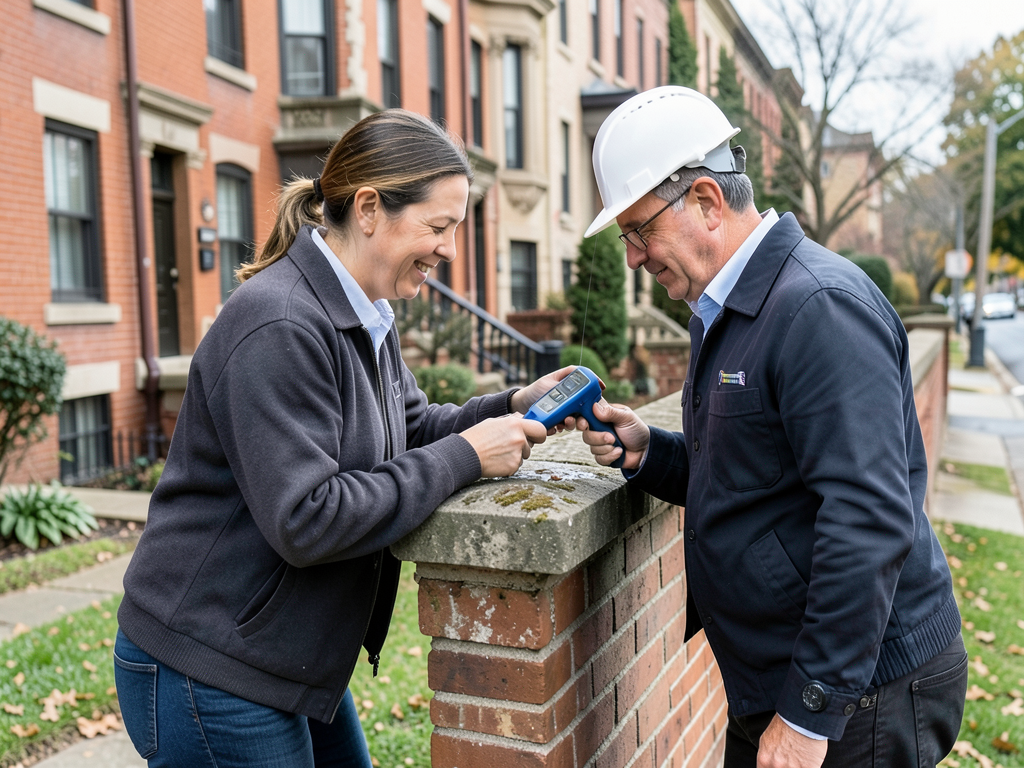
Technicians use moisture meters to detect water migration patterns behind these walls. A failing flashing might show elevated readings at the junction, indicating water has traveled horizontally through the shared structure. This diagnostic approach helps identify problems before they become visible from the interior.
2. Parapet Wall Decay and Water Infiltration
Parapet walls in the Atlas District face constant assault from freeze-thaw cycles and driving rain. The original masonry often lacks modern waterproofing membranes, allowing moisture to penetrate the brick and mortar. During winter, this trapped moisture expands, causing spalling and structural deterioration that accelerates over time. How to Get Your Roof Ready for a DC Winter in Chevy Chase.
Inspectors check parapet coping stones for movement by gently tapping them with a rubber mallet. Loose stones produce a hollow sound, indicating deteriorated mortar or failed anchors. This simple diagnostic test reveals potential failure points before they allow catastrophic water intrusion.
3. Drainage Obstructions: Scuppers, Gutters, and Downspouts
Atlas District rowhouses rely on internal roof drains and scuppers rather than traditional gutters. These systems channel water through the parapet walls to the alley below. Over decades, these drains clog with debris, mortar, and even animal nests, causing ponding water that accelerates membrane deterioration.
Technicians use drain cameras to inspect these hidden passages. A clear drain should show continuous water flow when tested with a garden hose. Blocked drains reveal themselves through water backup during testing, indicating the need for professional cleaning before any roof replacement can succeed. The Real Cost of a Roof Replacement for Washington DC Homeowners.
4. Historic Preservation (HPRB) Compliance
The Historic Preservation Review Board requires approval for any exterior modifications in designated historic districts. This includes roof replacements that might alter the building’s appearance or require removing original materials. The process involves submitting detailed plans showing how the new roof will maintain the historic character while meeting modern performance standards. Navigating Historic Preservation Roofing Rules in Dupont Circle.
Compliance often means using materials that match the original appearance while providing superior waterproofing. For example, a modern TPO membrane might be installed under a layer of modified bitumen that mimics the original built-up roof’s appearance from the street.
5. Limited Access and Urban Logistics
Narrow Atlas District alleys present the most visible challenge. Standard roofing equipment cannot navigate these passages, requiring smaller vehicles, manual material handling, or crane services. The DC Department of Transportation requires permits for any street or alley closure, adding time and cost to every project.
Material staging becomes a chess game. Roofers must coordinate delivery schedules to minimize alley occupation time while ensuring sufficient materials are on-site. This often means multiple smaller deliveries rather than bulk shipments typical in suburban projects.
Best Roofing Materials for DC Rowhouses (TPO vs. EPDM vs. Mod-Bit)
| Material | Lifespan | Installation Complexity | Historic Compatibility |
|---|---|---|---|
| TPO (Thermoplastic Polyolefin) | 25-30 years | Moderate | Low |
| EPDM (Ethylene Propylene Diene Terpolymer) | 20-25 years | Low | Moderate |
| Modified Bitumen | 15-20 years | Low | High |
TPO offers the best long-term value for Atlas District rowhouses, providing superior UV resistance and energy efficiency. The white reflective surface reduces cooling costs during humid DC summers. However, its installation requires specialized welding equipment and experienced technicians familiar with urban job sites.
EPDM provides a cost-effective alternative with easier installation but shorter lifespan. The black membrane absorbs heat, potentially increasing cooling costs but also helping melt snow in winter. Modified bitumen remains popular for historic compliance, offering the appearance of traditional built-up roofing while incorporating modern polymer technology.
Navigating DC Building Permits and Historic District Regulations
DC building permits for rowhouse roofing require detailed structural assessments, especially for buildings over 50 years old. The Department of Buildings mandates inspections to verify that existing roof structures can support new materials. This becomes critical when transitioning from heavy built-up roofs to lighter modern membranes.
Historic district approvals add another layer of complexity. The HPRB reviews proposals for visual impact, material compatibility, and preservation of original features. Projects often require multiple revisions to satisfy both structural requirements and historic guidelines. The process typically takes 30-60 days, requiring careful scheduling to avoid weather-related delays.
Technicians document existing conditions with detailed photographs and measurements. This documentation proves invaluable during the approval process and helps identify potential conflicts before work begins. Common issues include chimney alignment, parapet height variations, and existing drainage patterns that must be preserved.
Conclusion: Protecting Your DC Investment
Atlas District rowhouse roofing demands more than standard roofing skills. The combination of historic architecture, shared walls, and urban constraints requires specialized knowledge and careful planning. From navigating HPRB requirements to coordinating material delivery through narrow alleys, every aspect demands expertise specific to DC’s unique urban environment.
The right contractor brings not just roofing skills but urban construction experience. They understand how to work within historic preservation guidelines while delivering modern waterproofing performance. They know how to coordinate with neighbors, navigate permit processes, and solve the logistical puzzles that narrow alleys create.
Don’t let roofing challenges overwhelm your Atlas District rowhouse. Call (771) 240-3300 today to schedule your inspection and discover how our specialized expertise can protect your historic home while meeting modern performance standards.
Frequently Asked Questions
How long does a rowhouse roof replacement take in the Atlas District?
Most Atlas District rowhouse roof replacements require 3-5 days for the actual installation, plus additional time for permits and material delivery coordination. Weather delays and neighbor coordination can extend the timeline to 2-3 weeks total.
Can I install solar panels on my Atlas District rowhouse?
Solar installations in historic districts require HPRB approval and must minimize visual impact from public streets. Flat roof installations with low-profile mounting systems often receive approval, but the process requires detailed engineering and historic compatibility documentation.
What happens if my neighbor refuses to allow roofing work?
DC law requires access for necessary repairs that affect shared structures. If a neighbor refuses reasonable access for roofing work that impacts their property (such as flashing replacement at a shared wall), legal remedies exist through the DC courts. Professional contractors can help mediate these situations.
How do I know if my parapet walls need repair before re-roofing?
Professional inspection using moisture meters and visual assessment can identify parapet wall deterioration. Signs include spalling brick, loose coping stones, and visible cracks. Addressing these issues before re-roofing prevents warranty voidance and ensures the new roof system performs as designed.
Are there specific insurance requirements for Atlas District roofing contractors?
DC requires roofing contractors to carry general liability insurance and workers’ compensation. For historic district work, additional coverage for accidental damage to neighboring properties is often required. Always verify current licensing and insurance before hiring any contractor.
{
“@context”: “https://schema.org”,
“@type”: “BlogPosting”,
“headline”: “Why Narrow Alleys Make Roofing Projects Tricky for Rowhouses in the Atlas District”,
“description”: “Discover why DC rowhouse roofing in the Atlas District faces unique challenges from narrow alleys, historic preservation rules, and shared party walls. Learn how to navigate these constraints.”,
“wordCount”: 1397,
“datePublished”: “2026-05-28T06:29:00.000Z”,
“dateModified”: “2026-05-28T06:29:00.000Z”,
“inLanguage”: “en-US”,
“mainEntityOfPage”: {
“@type”: “WebPage”,
“@id”: “https://aceroofingwashingtondc.com”
},
“publisher”: {
“@type”: “LocalBusiness”,
“name”: “Ace Roofing Washington DC”,
“url”: “https://aceroofingwashingtondc.com”
},
“author”: {
“@type”: “Organization”,
“name”: “Ace Roofing Washington DC”,
“url”: “https://aceroofingwashingtondc.com”
},
“image”: {
“@type”: “ImageObject”,
“url”: “https://aceroofingwashingtondc.com/wp-content/uploads/2026/03/why-narrow-alleys-make-roofing-projects-tricky-for-1.png”
}
}
{
“@context”: “https://schema.org”,
“@type”: “RoofingContractor”,
“name”: “Ace Roofing Washington DC”,
“url”: “https://aceroofingwashingtondc.com”,
“address”: {
“@type”: “PostalAddress”,
“addressLocality”: “Washington DC”
},
“areaServed”: {
“@type”: “City”,
“name”: “Washington DC”
}
}
{
“@context”: “https://schema.org”,
“@type”: “FAQPage”,
“mainEntity”: [
{
“@type”: “Question”,
“name”: “How long does a rowhouse roof replacement take in the Atlas District?”,
“acceptedAnswer”: {
“@type”: “Answer”,
“text”: “Most Atlas District rowhouse roof replacements require 3-5 days for the actual installation, plus additional time for permits and material delivery coordination. Weather delays and neighbor coordination can extend the timeline to 2-3 weeks total.”
}
},
{
“@type”: “Question”,
“name”: “Can I install solar panels on my Atlas District rowhouse?”,
“acceptedAnswer”: {
“@type”: “Answer”,
“text”: “Solar installations in historic districts require HPRB approval and must minimize visual impact from public streets. Flat roof installations with low-profile mounting systems often receive approval, but the process requires detailed engineering and historic compatibility documentation.”
}
},
{
“@type”: “Question”,
“name”: “What happens if my neighbor refuses to allow roofing work?”,
“acceptedAnswer”: {
“@type”: “Answer”,
“text”: “DC law requires access for necessary repairs that affect shared structures. If a neighbor refuses reasonable access for roofing work that impacts their property (such as flashing replacement at a shared wall), legal remedies exist through the DC courts. Professional contractors can help mediate these situations.”
}
},
{
“@type”: “Question”,
“name”: “Are there specific insurance requirements for Atlas District roofing contractors?”,
“acceptedAnswer”: {
“@type”: “Answer”,
“text”: “DC requires roofing contractors to carry general liability insurance and workers’ compensation. For historic district work, additional coverage for accidental damage to neighboring properties is often required. Always verify current licensing and insurance before hiring any contractor.”
}
}
]
}
{
“@context”: “https://schema.org”,
“@type”: “BreadcrumbList”,
“itemListElement”: [
{
“@type”: “ListItem”,
“position”: 1,
“name”: “Home”,
“item”: “https://aceroofingwashingtondc.com”
},
{
“@type”: “ListItem”,
“position”: 2,
“name”: “Blog”,
“item”: “https://aceroofingwashingtondc.com/blog”
},
{
“@type”: “ListItem”,
“position”: 3,
“name”: “Why Narrow Alleys Make Roofing Projects Tricky for Rowhouses in the Atlas District”
}
]
}
{
“@context”: “https://schema.org”,
“@type”: “Service”,
“serviceType”: “Roofing”,
“provider”: {
“@type”: “LocalBusiness”,
“name”: “Ace Roofing Washington DC”,
“url”: “https://aceroofingwashingtondc.com”
},
“areaServed”: {
“@type”: “City”,
“name”: “Washington DC”
},
“description”: “Discover why DC rowhouse roofing in the Atlas District faces unique challenges from narrow alleys, historic preservation rules, and shared party walls. Learn how to navigate these constraints.”
}