
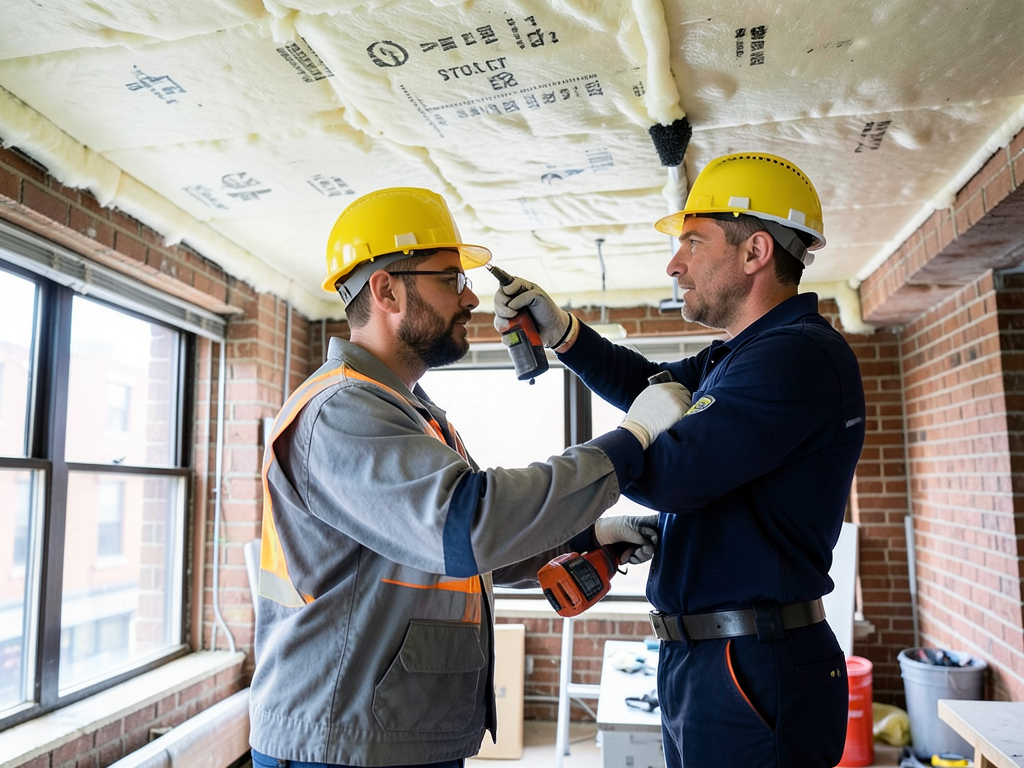
Why Your U Street Loft Needs Better Soundproofing and Insulation
Living in a U Street loft means enjoying vibrant nightlife, historic architecture, and urban convenience. But it also means dealing with constant noise from bars, restaurants, and street traffic that can disrupt your sleep and daily life. Poor insulation doesn’t just let sound in—it also allows heat to escape during DC winters and traps heat during humid summers, driving up your energy bills. DC Energy Conservation Code.
The U Street Corridor’s historic rowhouses and converted lofts present unique challenges. Many buildings were constructed before modern soundproofing standards existed, with thin walls, single-pane windows, and minimal insulation between units. The dense urban environment amplifies noise, while the area’s brick and masonry construction creates thermal bridges that compromise energy efficiency. Why Your Capitol Hill Rowhouse Needs a Specialized Flat Roof System.
Professional soundproofing and insulation solutions can transform your living space. Modern materials like acoustic panels, spray foam insulation, and double-glazed windows can reduce noise transmission by up to 70% while improving your home’s R-value by 40% or more. These upgrades not only create a quieter, more comfortable environment but also increase your property value and qualify for DCSEU energy efficiency rebates. DCSEU energy efficiency rebates.
The combination of nightlife noise and DC’s extreme seasonal temperatures makes soundproofing and insulation not just a luxury but a necessity for U Street residents. Whether you’re dealing with bass from the nightclub next door or struggling with high cooling costs in July, the right solutions can solve both problems simultaneously.
Understanding U Street’s Unique Sound and Temperature Challenges
U Street’s historic character creates specific acoustic and thermal issues that generic solutions can’t address. The area’s 19th and early 20th-century buildings were designed for a different era, with construction methods that prioritize charm over modern comfort standards. Navigating Historic Preservation Roofing Rules in Dupont Circle.
Many U Street lofts feature exposed brick walls, high ceilings, and large windows—architectural elements that look stunning but perform poorly for sound isolation and temperature control. The mortar between bricks deteriorates over time, creating gaps that let noise and air pass through. Original wood floors and ceilings often lack the mass needed to block low-frequency sounds like bass from music venues.
The neighborhood’s density compounds these problems. Sound travels easily between closely packed buildings, and the constant activity on U Street means there’s rarely a quiet moment. During summer months, the urban heat island effect can make your loft feel like an oven, while in winter, drafty windows and uninsulated walls let precious heat escape. How to Get Your Roof Ready for a DC Winter in Chevy Chase.
DC’s building codes require specific insulation standards for new construction, but many U Street buildings predate these requirements. The DC Department of Buildings (DOB) enforces current energy codes, but historic preservation rules can limit exterior modifications. This creates a complex situation where you need to balance modern efficiency with preserving architectural character.
Common Soundproofing Problems in U Street Lofts
Most U Street lofts suffer from similar sound transmission issues that stem from their original construction. Understanding these problems helps identify the most effective solutions for your specific situation.
Airborne noise travels easily through thin walls and single-pane windows. You might hear conversations from neighboring units, traffic sounds, or music from nearby venues. Impact noise—like footsteps from upstairs neighbors or doors closing—can be equally disruptive. Low-frequency sounds, particularly bass from music, are especially difficult to block because they require mass and specialized materials to absorb.
Flanking noise travels through building structures rather than directly through walls. Sound can move through ductwork, plumbing pipes, and electrical conduits, creating unexpected pathways that standard soundproofing doesn’t address. This explains why you might hear your neighbor’s shower even though the bathroom walls seem solid.
Many U Street buildings have shared walls with no proper sound isolation between units. The original builders didn’t anticipate the need for privacy in today’s urban environment. These party walls often consist of single layers of brick or wood framing with minimal insulation, making them ineffective sound barriers.
Windows in historic buildings are typically single-pane glass set in wooden frames. These provide almost no sound insulation and are major sources of heat loss. The frames themselves may have gaps or rot that create additional noise pathways and air leaks.
Effective Soundproofing Solutions for Urban Lofts
Modern soundproofing techniques can dramatically reduce noise while maintaining your loft’s aesthetic appeal. The key is using materials and methods specifically designed for urban environments and historic buildings.
Mass-loaded vinyl (MLV) is a flexible, heavy material that adds significant mass to walls without requiring major construction. At 1/8 to 1/4 inch thick, it can block up to 27 decibels of sound while fitting in tight spaces. When installed between existing drywall and new layers, MLV creates an effective sound barrier without changing your room’s appearance.
Acoustic panels and foam can absorb sound within your unit, reducing echo and making external noise less noticeable. These materials come in various styles, from basic foam to decorative fabric-wrapped panels that enhance your décor while improving acoustics. Strategic placement on walls and ceilings can significantly improve sound quality.
Resilient channels create a floating wall or ceiling system that decouples the finished surface from the building structure. This prevents sound vibrations from traveling through solid connections. When combined with sound-dampening insulation, resilient channels can reduce noise transmission by 50% or more.
Double-glazed windows with laminated glass provide excellent sound reduction while improving energy efficiency. The air gap between panes and the laminated layer work together to block noise while the insulated glass reduces heat transfer. Modern window inserts can achieve similar results without replacing historic windows, preserving your building’s character.
Insulation Options for Historic U Street Buildings
Choosing the right insulation requires understanding your building’s construction and your specific needs. Different materials offer varying levels of thermal performance, sound reduction, and installation complexity.
Closed-cell spray foam insulation provides the highest R-value per inch (R-6 to R-7) while also creating an air and moisture barrier. This two-in-one solution is ideal for U Street lofts where space is limited and moisture control is important. The foam expands to fill gaps and cracks, eliminating drafts and reducing noise transmission through walls and ceilings.
Blown-in cellulose insulation offers excellent sound absorption and thermal performance (R-3.2 to R-3.8 per inch). Made from recycled paper products treated with fire retardants, it’s an environmentally friendly option that works well in existing wall cavities. The dense material effectively blocks sound while providing good insulation value.
Mineral wool batts combine fire resistance, sound absorption, and thermal insulation in one product. With an R-value of R-3.0 to R-3.3 per inch, mineral wool is denser than fiberglass, making it more effective at blocking sound. It’s also moisture-resistant and won’t support mold growth, important considerations for DC’s humid climate.
Reflective insulation systems work well for roofs and attics, particularly in U Street’s many converted lofts. These systems use reflective barriers to reduce radiant heat transfer, complementing traditional insulation. They’re especially effective in flat roof applications common in the area.
DC Building Codes and Historic Preservation Requirements
Working on U Street properties requires navigating both modern building codes and historic preservation guidelines. Understanding these requirements prevents costly mistakes and ensures your project proceeds smoothly.
The DC Energy Conservation Code requires specific R-values for new construction and major renovations. For exterior walls, the minimum R-value is typically R-13 to R-20, depending on the construction method. Roofs require R-30 to R-38, while floors over unconditioned spaces need R-19 to R-30. These requirements apply to renovations that involve removing existing walls or ceilings.
The Historic Preservation Review Board (HPRB) oversees changes to buildings in historic districts, including much of the U Street Corridor. Exterior modifications often require approval, even for energy efficiency improvements. However, interior modifications typically don’t need HPRB approval, giving you more flexibility for soundproofing and insulation projects inside your unit.
DC’s Green Building Act encourages energy-efficient improvements through various incentives. While not mandatory for all renovations, meeting these voluntary standards can qualify you for expedited permits and other benefits. The act promotes sustainable materials and practices that align well with modern soundproofing and insulation techniques.
Fire safety codes require specific materials and installation methods for soundproofing and insulation. Many acoustic materials must meet Class A fire ratings, and some installations require fire-blocking to prevent the spread of flames through concealed spaces. Professional installers understand these requirements and ensure compliance.
Energy Efficiency Benefits Beyond Sound Reduction
Quality insulation and soundproofing provide multiple benefits beyond noise reduction. The same materials and techniques that block sound also improve your home’s energy performance, creating a more comfortable living environment year-round.
Proper insulation can reduce heating and cooling costs by 15-30% annually. In DC’s climate, where summers are hot and humid while winters can be cold, this translates to significant savings. The payback period for insulation upgrades is typically 3-7 years, making it a smart investment for property owners.
Moisture control is critical in DC’s humid environment. Many soundproofing materials also help manage moisture, preventing condensation that can lead to mold growth and structural damage. Closed-cell spray foam, for example, creates a vapor barrier that prevents moisture migration through walls and ceilings.
Improved indoor air quality results from better insulation and air sealing. When your home is properly sealed, it’s easier to control humidity levels and filter out pollutants. This is particularly important in urban areas where outdoor air quality can be compromised by traffic and other sources.
Increased property value comes from both the functional improvements and the energy efficiency upgrades. Buyers increasingly value homes with good sound isolation and low utility costs. Energy-efficient features can also qualify for green building certifications that enhance marketability.
Professional Installation vs. DIY Approaches
While some soundproofing and insulation projects are DIY-friendly, many U Street loft improvements require professional expertise. Understanding the limitations of DIY approaches helps you make informed decisions about your project.
Professional installers bring specialized knowledge of building science, local codes, and historic preservation requirements. They understand how sound travels through different materials and structures, allowing them to design comprehensive solutions rather than piecemeal fixes. This expertise is particularly valuable in historic buildings where unexpected conditions often arise.
Safety considerations make professional installation important for many projects. Spray foam insulation requires proper ventilation and protective equipment. Some acoustic materials contain fibers that can irritate lungs if not handled correctly. Electrical and plumbing systems may need to be addressed during installation, requiring licensed tradespeople.
Warranty coverage often requires professional installation. Many high-performance insulation and soundproofing products carry warranties that are only valid when installed by certified professionals. This protection can be valuable for expensive materials and complex installations.
Time and disruption factor into the decision. Professional crews can complete most projects in days rather than weeks, minimizing the impact on your daily life. They also handle permits, inspections, and cleanup, reducing your administrative burden.
The Installation Process: What to Expect
Understanding the installation process helps you prepare for your soundproofing and insulation project. Professional contractors follow systematic approaches that ensure quality results while minimizing disruption.
Initial assessment involves evaluating your specific needs, building construction, and local requirements. Contractors will inspect your space, discuss your concerns, and recommend appropriate solutions. This may include sound testing to identify problem areas and measure existing noise levels.
Permit acquisition is often necessary for significant modifications. Contractors familiar with DC requirements can handle this process efficiently, ensuring all work meets code requirements. For historic properties, they may coordinate with HPRB to obtain necessary approvals.
Preparation involves protecting your belongings and preparing work areas. This may include moving furniture, covering floors, and creating containment areas to prevent dust and debris from spreading. For occupied units, contractors often work in phases to maintain livability.
Installation techniques vary by material and application. Spray foam requires specialized equipment and protective measures. Acoustic panels may need specific mounting hardware. Window treatments often involve precise measurements and careful installation to ensure proper fit and function.
Final inspection and cleanup ensure the work meets quality standards and local requirements. Contractors will test the completed installation, address any issues, and thoroughly clean the work area. They should also provide documentation of the work performed and any warranties or guarantees.
Cost Factors and ROI for U Street Properties
Soundproofing and insulation costs vary widely based on materials, scope, and building conditions. Understanding cost factors helps you budget appropriately and identify the most cost-effective solutions for your situation.
Material costs range from $1-3 per square foot for basic insulation to $10-20 per square foot for premium soundproofing systems. Acoustic panels and specialized materials command premium prices but offer superior performance. The choice between different materials often involves balancing cost against performance requirements.
Labor costs in DC typically run $50-100 per hour for skilled tradespeople. Complex installations or those requiring coordination with other trades may cost more. Historic buildings often require additional labor due to unexpected conditions or preservation requirements.
Building conditions significantly impact costs. Existing walls may need repair before new materials can be installed. Asbestos or lead paint in older buildings requires special handling. Limited access or difficult working conditions can increase labor time and costs.. Read more about Commercial Roof Repair and Maintenance for Brentwood Warehouses.
Energy efficiency incentives can offset costs. DCSEU offers rebates for insulation improvements that meet specific performance criteria. Federal tax credits may be available for certain energy-efficient upgrades. These incentives can reduce net costs by 20-40% in some cases.
ROI calculations should consider both direct savings and quality-of-life improvements. Energy savings typically provide the most measurable return, while noise reduction and comfort improvements are harder to quantify but often more valuable to residents.
Maintenance and Long-Term Performance
Quality soundproofing and insulation installations require minimal maintenance but benefit from periodic attention to ensure continued performance. Understanding maintenance requirements helps protect your investment over time. The Best Flat Roof Maintenance Tips for Petworth Homeowners.
Visual inspections should be conducted annually to check for signs of damage or deterioration. Look for moisture stains, cracks in seals, or gaps that may have developed. Early detection of problems prevents more serious damage and maintains performance.
Cleaning requirements vary by material. Acoustic panels may need occasional dusting or vacuuming to maintain appearance and performance. Window treatments should be cleaned according to manufacturer recommendations. Most insulation materials require no maintenance once properly installed.
Moisture management remains important throughout the life of the installation. Address any leaks promptly, as water can compromise insulation performance and create conditions for mold growth. Proper ventilation helps prevent moisture buildup in enclosed spaces.
Performance monitoring helps identify when improvements may be needed. If you notice increased noise levels or changes in temperature control, it may indicate problems with existing installations. Professional testing can quantify performance and identify specific issues.
Material lifespan varies by type and conditions. High-quality spray foam can last 80+ years, while some acoustic materials may need replacement after 15-20 years. Understanding expected lifespans helps with long-term planning and budgeting. The Real Cost of a Roof Replacement for Washington DC Homeowners.
Frequently Asked Questions
How much noise reduction can I expect from soundproofing my U Street loft?
Professional soundproofing typically reduces noise by 50-70% for airborne sounds like voices and music. Low-frequency sounds like bass may see 30-50% reduction. The exact results depend on your specific situation, materials used, and the sources of noise.
Will soundproofing and insulation increase my property value?
Yes, quality soundproofing and insulation improvements typically increase property values by 3-7%. Energy-efficient features are increasingly valued by buyers, and the improved comfort and reduced noise make your property more attractive in the competitive U Street market.
Do I need permits for soundproofing and insulation work in DC?
Minor interior modifications usually don’t require permits, but significant renovations or exterior work does. Professional contractors handle permit requirements as part of their services. For historic properties, additional approvals may be needed from the Historic Preservation Review Board.
How long does a typical soundproofing project take?
Most residential projects take 2-5 days for complete installation. Simple treatments like window inserts can be completed in a day, while comprehensive wall and ceiling treatments may require a week or more. Your contractor will provide specific timelines based on your project scope.
Can I still get DCSEU rebates if my building is historic?
Yes, DCSEU rebates are available for energy efficiency improvements in historic buildings. The program focuses on performance rather than appearance, so you can qualify for rebates even if you’re preserving historic features. Your contractor can help identify eligible improvements and handle rebate paperwork.
What’s the best insulation for a flat roof in a U Street loft?
For flat roofs, tapered polyisocyanurate insulation provides excellent thermal performance while allowing for proper drainage. Closed-cell spray foam is another good option that adds structural strength while providing superior insulation. The best choice depends on your specific roof construction and local requirements.
How do I balance soundproofing needs with historic preservation requirements?
Focus on interior modifications that don’t alter historic features. Many effective soundproofing solutions can be installed without visible changes to historic elements. Work with contractors experienced in historic properties who understand how to achieve modern performance while respecting preservation guidelines.
Will new insulation help with my summer cooling bills?
Absolutely. Quality insulation can reduce cooling costs by 15-25% in DC’s hot, humid summers. The same materials that block sound also prevent heat transfer, keeping your loft cooler and reducing the workload on your air conditioning system.
What’s the difference between soundproofing and sound absorption?
Soundproofing blocks noise from entering or leaving a space, while sound absorption reduces echo and reverberation within a room. Both are often needed for complete acoustic control. Soundproofing is typically more expensive but addresses the root cause of noise problems.
How do I know if my current insulation is inadequate?
Signs of inadequate insulation include drafts, uneven temperatures between rooms, high energy bills, and difficulty maintaining comfortable temperatures. A professional energy audit can identify specific problems and recommend appropriate solutions for your U Street loft.
Next Steps for Your Soundproofing Project
Ready to transform your U Street loft into a quieter, more comfortable space? The first step is a professional assessment of your specific needs and building conditions. Experienced contractors can identify the most effective solutions for your situation while navigating DC’s unique requirements for historic properties.
Don’t let another night of interrupted sleep or another high energy bill pass by. Modern soundproofing and insulation technologies can solve both problems while preserving your loft’s character and charm. The investment pays for itself through energy savings, increased property value, and improved quality of life.
Call (771) 240-3300 today to schedule your consultation. Our team understands the unique challenges of U Street lofts and can recommend solutions that work within your budget and building constraints. We’ll help you create a space that’s as quiet and comfortable as it is beautiful.
Pick up the phone and call (771) 240-3300 before the next noisy weekend or heat wave hits. Your perfect U Street loft is just a phone call away.
{
“@context”: “https://schema.org”,
“@type”: “BlogPosting”,
“headline”: “Why Your U Street Loft Needs Better Soundproofing and Insulation”,
“description”: “Discover why U Street lofts need specialized soundproofing and insulation to combat DC nightlife noise and improve energy efficiency. Learn about local building codes and solutions.”,
“wordCount”: 3163,
“datePublished”: “2026-04-20T12:06:00.000Z”,
“dateModified”: “2026-04-20T12:06:00.000Z”,
“inLanguage”: “en-US”,
“mainEntityOfPage”: {
“@type”: “WebPage”,
“@id”: “https://aceroofingwashingtondc.com”
},
“publisher”: {
“@type”: “LocalBusiness”,
“name”: “Ace Roofing Washington DC”,
“url”: “https://aceroofingwashingtondc.com”
},
“author”: {
“@type”: “Organization”,
“name”: “Ace Roofing Washington DC”,
“url”: “https://aceroofingwashingtondc.com”
},
“image”: {
“@type”: “ImageObject”,
“url”: “https://aceroofingwashingtondc.com/wp-content/uploads/2026/03/why-your-u-street-loft-needs-better-soundproofing-1.png”
}
}
{
“@context”: “https://schema.org”,
“@type”: “RoofingContractor”,
“name”: “Ace Roofing Washington DC”,
“url”: “https://aceroofingwashingtondc.com”,
“address”: {
“@type”: “PostalAddress”,
“addressLocality”: “Washington DC”
},
“areaServed”: {
“@type”: “City”,
“name”: “Washington DC”
}
}
{
“@context”: “https://schema.org”,
“@type”: “FAQPage”,
“mainEntity”: [
{
“@type”: “Question”,
“name”: “How much noise reduction can I expect from soundproofing my U Street loft?”,
“acceptedAnswer”: {
“@type”: “Answer”,
“text”: “Professional soundproofing typically reduces noise by 50-70% for airborne sounds like voices and music. Low-frequency sounds like bass may see 30-50% reduction. The exact results depend on your specific situation, materials used, and the sources of noise.”
}
},
{
“@type”: “Question”,
“name”: “Will soundproofing and insulation increase my property value?”,
“acceptedAnswer”: {
“@type”: “Answer”,
“text”: “Yes, quality soundproofing and insulation improvements typically increase property values by 3-7%. Energy-efficient features are increasingly valued by buyers, and the improved comfort and reduced noise make your property more attractive in the competitive U Street market.”
}
},
{
“@type”: “Question”,
“name”: “Do I need permits for soundproofing and insulation work in DC?”,
“acceptedAnswer”: {
“@type”: “Answer”,
“text”: “Minor interior modifications usually don’t require permits, but significant renovations or exterior work does. Professional contractors handle permit requirements as part of their services. For historic properties, additional approvals may be needed from the Historic Preservation Review Board.”
}
},
{
“@type”: “Question”,
“name”: “How long does a typical soundproofing project take?”,
“acceptedAnswer”: {
“@type”: “Answer”,
“text”: “Most residential projects take 2-5 days for complete installation. Simple treatments like window inserts can be completed in a day, while comprehensive wall and ceiling treatments may require a week or more. Your contractor will provide specific timelines based on your project scope.”
}
},
{
“@type”: “Question”,
“name”: “Can I still get DCSEU rebates if my building is historic?”,
“acceptedAnswer”: {
“@type”: “Answer”,
“text”: “Yes, DCSEU rebates are available for energy efficiency improvements in historic buildings. The program focuses on performance rather than appearance, so you can qualify for rebates even if you’re preserving historic features. Your contractor can help identify eligible improvements and handle rebate paperwork.”
}
},
{
“@type”: “Question”,
“name”: “What’s the best insulation for a flat roof in a U Street loft?”,
“acceptedAnswer”: {
“@type”: “Answer”,
“text”: “For flat roofs, tapered polyisocyanurate insulation provides excellent thermal performance while allowing for proper drainage. Closed-cell spray foam is another good option that adds structural strength while providing superior insulation. The best choice depends on your specific roof construction and local requirements.”
}
},
{
“@type”: “Question”,
“name”: “How do I balance soundproofing needs with historic preservation requirements?”,
“acceptedAnswer”: {
“@type”: “Answer”,
“text”: “Focus on interior modifications that don’t alter historic features. Many effective soundproofing solutions can be installed without visible changes to historic elements. Work with contractors experienced in historic properties who understand how to achieve modern performance while respecting preservation guidelines.”
}
},
{
“@type”: “Question”,
“name”: “Will new insulation help with my summer cooling bills?”,
“acceptedAnswer”: {
“@type”: “Answer”,
“text”: “Absolutely. Quality insulation can reduce cooling costs by 15-25% in DC’s hot, humid summers. The same materials that block sound also prevent heat transfer, keeping your loft cooler and reducing the workload on your air conditioning system.”
}
},
{
“@type”: “Question”,
“name”: “What’s the difference between soundproofing and sound absorption?”,
“acceptedAnswer”: {
“@type”: “Answer”,
“text”: “Soundproofing blocks noise from entering or leaving a space, while sound absorption reduces echo and reverberation within a room. Both are often needed for complete acoustic control. Soundproofing is typically more expensive but addresses the root cause of noise problems.”
}
},
{
“@type”: “Question”,
“name”: “How do I know if my current insulation is inadequate?”,
“acceptedAnswer”: {
“@type”: “Answer”,
“text”: “Signs of inadequate insulation include drafts, uneven temperatures between rooms, high energy bills, and difficulty maintaining comfortable temperatures. A professional energy audit can identify specific problems and recommend appropriate solutions for your U Street loft.”
}
}
]
}
{
“@context”: “https://schema.org”,
“@type”: “BreadcrumbList”,
“itemListElement”: [
{
“@type”: “ListItem”,
“position”: 1,
“name”: “Home”,
“item”: “https://aceroofingwashingtondc.com”
},
{
“@type”: “ListItem”,
“position”: 2,
“name”: “Blog”,
“item”: “https://aceroofingwashingtondc.com/blog”
},
{
“@type”: “ListItem”,
“position”: 3,
“name”: “Why Your U Street Loft Needs Better Soundproofing and Insulation”
}
]
}
{
“@context”: “https://schema.org”,
“@type”: “Service”,
“serviceType”: “Roofing”,
“provider”: {
“@type”: “LocalBusiness”,
“name”: “Ace Roofing Washington DC”,
“url”: “https://aceroofingwashingtondc.com”
},
“areaServed”: {
“@type”: “City”,
“name”: “Washington DC”
},
“description”: “Discover why U Street lofts need specialized soundproofing and insulation to combat DC nightlife noise and improve energy efficiency. Learn about local building codes and solutions.”
}