
menu

Flat Roofing Services in Washington, D.C. | Built to Handle Freeze-Thaw Cycles and Ponding Water

Ace Roofing Washington DC delivers flat roofing services engineered for the District's punishing weather shifts, from winter ice to summer downpours, using proven low slope roofing systems that prevent leaks and extend roof life.

Slider Image 1
Slider Image 2
Slider Image 3
Slider Image 4
Slider Image 5
Slider Image 7
Slider Image 8
Slider Image 9
Slider Image 10
Slider Image 11

Why Flat Roofs Fail Faster in Washington, D.C.

Washington, D.C.'s climate is brutal on flat roofs. Winter temperatures drop below freezing, then swing above 40 degrees within hours. This freeze-thaw cycle cracks membrane seams, opens up flashing joints, and creates ice dams that force water under the roofing material. By March, you see ponding water in low spots. By June, that standing water degrades the membrane and invites leaks into the building envelope.

The District's summer storms dump rain fast. Flat roofs with inadequate drainage or clogged scuppers cannot shed water quickly enough. Water sits, weighs down the substrate, and accelerates deterioration. You need flat roof contractors who understand how to slope a seemingly flat roof to move water off the surface before it becomes a structural problem.

Most flat roofing companies treat every roof the same. They do not account for the District's humidity, which breeds algae and mold on membrane surfaces. They ignore the urban heat island effect that makes rooftops in Capitol Hill or Shaw 15 degrees hotter than the suburbs, baking adhesives and shrinking EPDM rubber. Flat roof specialists who know Washington, D.C. design systems that breathe, drain, and resist thermal shock.

If you see blistering, cracking, or water stains on interior ceilings, the damage started months ago. Waiting makes it worse. Low slope roofing services that address the root cause, not just the symptom, save you from costly interior repairs and business downtime.

Why Flat Roofs Fail Faster in Washington, D.C.
How We Build Flat Roofing Solutions That Last

How We Build Flat Roofing Solutions That Last

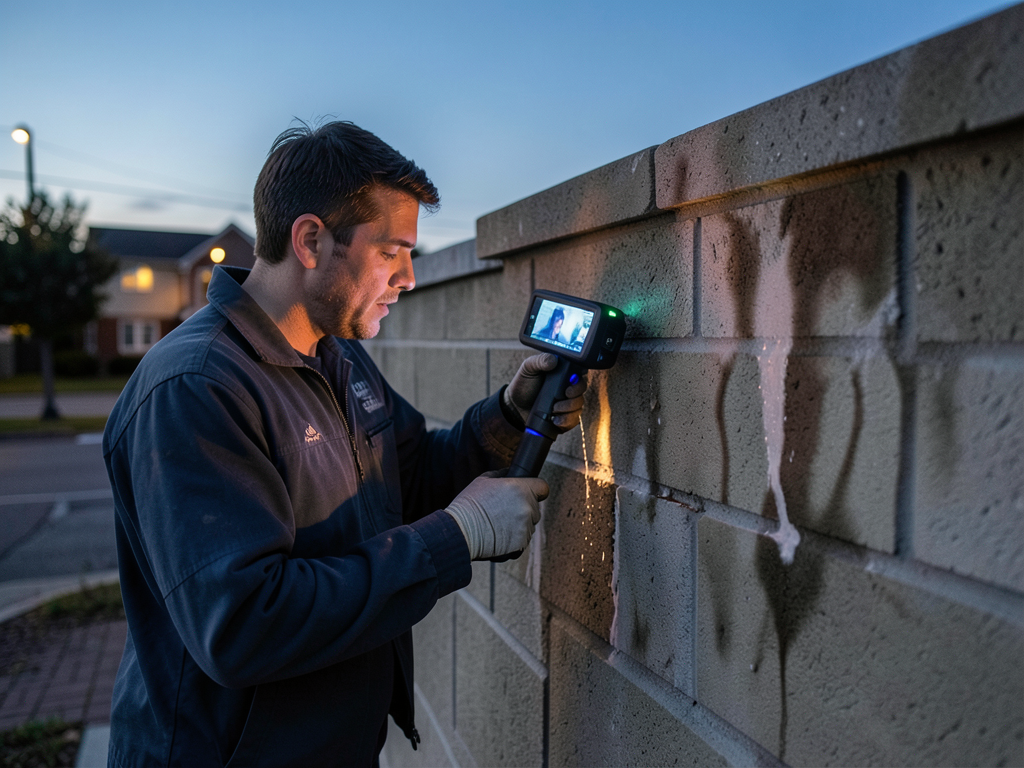
We do not patch and pray. Ace Roofing Washington DC starts with a moisture scan using infrared thermography to map wet insulation under the membrane. Wet insulation acts like a sponge, trapping water and accelerating rot in the decking below. We identify these zones before we tear off a single square foot, so you know the true scope of the repair.

Once we map the damage, we remove compromised sections down to the structural deck. If the deck is plywood or OSB, we check for delamination and replace any sheets that show swelling or mold. For commercial buildings with steel decks, we inspect for rust perforation and treat or replace panels as needed. This is not cosmetic work. The deck must be solid before we install a new roofing system.

We install tapered insulation systems to create positive drainage on roofs that appear flat. Water must move toward drains, scuppers, or gutters. Ponding water is the enemy of flat roofs. We use polyiso or XPS rigid foam in calculated slopes, verified with a laser level, to ensure water flows off the roof within 48 hours of rainfall.

Membrane selection depends on your building type and budget. TPO is cost-effective and heat-reflective, ideal for commercial warehouses and retail buildings. EPDM rubber is durable and puncture-resistant, suitable for roofs with HVAC equipment traffic. Modified bitumen is self-healing and works well on older buildings where traditional built-up roofing was originally installed. We match the system to the application, not the sales quota.

Every seam is heat-welded or chemically bonded. Mechanical fasteners are spaced per wind uplift calculations for Washington, D.C.'s wind zone. Flashing is custom-fabricated and sealed with termination bars, not caulk alone.

What Happens During Your Flat Roof Installation

Flat Roofing Services in Washington, D.C. | Built to Handle Freeze-Thaw Cycles and Ponding Water
01

Inspection and Moisture Mapping

We use infrared cameras to scan the existing roof membrane and identify trapped moisture in the insulation layers below. Wet insulation compromises thermal performance and accelerates membrane failure. This diagnostic step reveals the true extent of damage before we commit to a removal plan, so you avoid surprises mid-project and understand exactly what needs replacement.
02

Substrate Preparation and Drainage Design

We remove damaged membrane, insulation, and any compromised decking. The structural deck is inspected, repaired, and dried. We install tapered insulation to create slopes that direct water to drains and scuppers, eliminating ponding. Crickets and saddles are built around rooftop units to divert water flow. This phase sets the foundation for a leak-free roof that sheds water efficiently.
03

Membrane Installation and Seam Integrity

We roll out the roofing membrane and secure it with mechanical fasteners or fully adhered systems, depending on wind load requirements. Seams are heat-welded or chemically bonded, then tested with a probe to ensure watertight integrity. Flashing is installed at parapets, penetrations, and edges with termination bars and sealant. The final inspection confirms proper drainage, secure attachment, and zero exposed seams.

Why Washington, D.C. Property Owners Choose Ace Roofing Washington DC

Flat roofs in the District face unique stress. You have federal buildings with strict procurement standards, historic row houses in Georgetown with concealed drainage systems, and modern mixed-use developments in Navy Yard with green roof integration. We have worked on all of them. Our crews understand the difference between a code-compliant installation and a code-minimum installation.

Washington, D.C. building codes require specific wind uplift ratings for flat roofs, especially in exposed locations near the Potomac River or along Pennsylvania Avenue where wind corridors accelerate gusts. We calculate fastener spacing based on your building height, roof area, and exposure category. Generic flat roofing companies use the same spacing everywhere. We engineer the attachment to meet or exceed the District's wind load tables.

We also understand the permitting process. Commercial flat roof replacements over a certain square footage require building permits from the Department of Consumer and Regulatory Affairs. We handle the paperwork, schedule inspections, and coordinate with your property manager or facilities team to minimize disruption. If you operate a retail space on U Street or a medical office in Foggy Bottom, we schedule work during off-hours to avoid interfering with your business.

Historic district properties require additional approvals from the Historic Preservation Review Board if the roof is visible from the street. We work with architects and preservationists to specify low-profile membrane systems that meet performance standards without altering the building's appearance. This is not extra work for us. It is part of serving Washington, D.C. property owners correctly.

You need a flat roof specialist who knows the difference between a scupper and a conductor head, who understands how to flash a parapet cap in a way that survives thermal expansion, and who will not disappear after the final payment clears.

What You Get with Our Flat Roofing Services

Response Time and Project Duration

We schedule commercial flat roof projects during low-occupancy periods to minimize disruption. Most installations take three to seven days, depending on roof size and weather. Emergency leak repairs are dispatched within four hours during business hours. We tarp and seal active leaks immediately, then return to complete the permanent repair once materials are sourced. Residential flat roof replacements on row houses or carriage houses typically take two to four days. We do not leave your building exposed overnight.

Inspection and Diagnostic Process

The initial inspection includes roof access, visual assessment, and moisture scanning. We photograph problem areas, measure ponding depth with a straightedge, and inspect flashing, drains, and penetrations. You receive a written report with photos, scope of work, and material recommendations within 48 hours. We explain what failed, why it failed, and what needs to happen to prevent recurrence. There is no charge for the inspection if you proceed with the repair or replacement.

Quality of Materials and Installation

We use manufacturer-certified roofing systems from GAF, Firestone, and Carlisle. Membrane thickness is specified based on traffic exposure and building type. Insulation R-values meet or exceed the International Energy Conservation Code for Washington, D.C.'s climate zone. Fasteners are stainless steel or corrosion-resistant coated steel. Seams are tested with a probe after welding to confirm bond strength. Flashing is fabricated from 24-gauge galvanized or aluminum coil. You get a roof that performs, not one that looks good for six months.

Maintenance and Long-Term Support

Flat roofs require periodic maintenance to extend their lifespan. We offer annual inspection and cleaning contracts that include drain clearing, membrane patching, and flashing sealant renewal. These preventive visits catch small problems before they become expensive failures. We also provide emergency repair service for storm damage, punctures from falling branches, or HVAC contractor damage during equipment servicing. Our clients in Dupont Circle and Adams Morgan use these maintenance agreements to avoid surprise leaks during winter freezes or summer thunderstorms.

Frequently Asked Questions

You Have Questions,
We Have Answers

How much does it cost to have a flat roof done? +

Flat roof costs in Washington, D.C. depend on material choice, roof size, and access complexity. Modified bitumen runs lower than TPO or EPDM rubber membranes. A typical 1,500 square foot flat roof replacement ranges from mid-tier to premium pricing based on membrane type and drainage requirements. D.C.'s Historic District regulations can add costs if architectural review is needed. Roof pitch, parapet walls, and HVAC equipment placement also affect labor hours. Always get three written estimates that itemize materials, tear-off, substrate repair, and flashing details. Cheap bids often skip crucial underlayment or proper drainage corrections.

How to tell if a roofer is lying? +

Watch for vague estimates without material specifications or square footage breakdowns. A dishonest roofer avoids written contracts or pressures you to sign same-day. They may claim your roof needs total replacement when repairs suffice, or refuse to pull permits required by D.C. building codes. Check if they provide a physical business address, not just a cell number. Ask for photos of substrate conditions before they quote you. If they demand large upfront payments or only accept cash, walk away. Verify their D.C. contractor registration and ask for recent local references you can drive by and inspect.

What does a new flat roof cost? +

A new flat roof in Washington, D.C. costs vary by membrane type and building height. Single-ply membranes like TPO or EPDM are mid-range options. Built-up roofing with multiple plies costs more due to labor intensity. Roof size, existing damage to decking, and parapet flashing complexity drive final pricing. D.C.'s row house configurations often require careful coordination with adjoining properties. Expect higher costs for multi-story buildings due to equipment access. Quality installation includes proper insulation, tapered insulation for drainage, and fully adhered seams. Get itemized quotes that separate materials, labor, permits, and warranty coverage before committing.

How much does it cost to roof a 20x20 garage? +

Roofing a 20x20 garage (400 square feet) in Washington, D.C. depends on material and access. Asphalt shingles are the budget option. Flat or low-slope garage roofs using rolled roofing or EPDM rubber cost less than pitched roofs due to simpler framing. Factor in permit fees required by D.C. building codes and disposal costs for old materials. Detached garages with alley access are easier to service than those tucked behind row houses. If the garage shares a wall with your home, flashing integration adds complexity. Always verify the roofer includes drip edge, underlayment, and proper ventilation in their quote.

What is the cheapest option for a flat roof? +

Rolled asphalt roofing is the cheapest flat roof option, but it lasts only 5 to 8 years and suits sheds or temporary structures. For habitable buildings in Washington, D.C., EPDM rubber membrane offers the best value for longevity. It resists UV damage and handles the city's temperature swings without cracking. Modified bitumen costs slightly more but provides better puncture resistance for roofs with foot traffic or HVAC units. Avoid tar and gravel systems unless you need extreme durability. Cheap installations skip tapered insulation, leading to ponding water and premature failure. Invest in proper drainage to extend any membrane's lifespan.

How much will it cost to roof a 3 bedroom flat? +

A 3 bedroom flat in Washington, D.C. varies widely in roof size depending on building layout. Row house flats average 800 to 1,200 square feet of roof area. Cost depends on whether you need full replacement or overlay, membrane type, and parapet conditions. D.C.'s older row houses often have deteriorated roof decking that requires plywood replacement before new membrane installation. Shared party walls demand careful flashing to prevent neighbor disputes. Multi-unit buildings may require additional permits and condo association approvals. Get quotes that include tear-off, substrate inspection, insulation upgrades, and at least a 10-year workmanship warranty. Avoid contractors who quote without roof access.

What is the 2 year rule for contractors? +

The 2 year rule is not a universal contracting standard. Some homeowners reference a general guideline to wait 2 years before final payment on major projects, but this has no legal basis in D.C. contracting law. What matters is your written contract's payment schedule and lien waiver process. D.C. mechanics lien laws allow subcontractors and suppliers to file claims within 90 days of project completion if unpaid. Protect yourself by requiring lien waivers from all subcontractors before final payment. Never pay in full until work passes D.C. building inspection and you verify permit closure. Trust contracts, not folk rules.

What should you not say to a contractor? +

Never tell a contractor you are in a rush or have a specific move-in date. This invites price inflation and rushed work. Do not mention you have insurance money or a large budget. Avoid saying you know nothing about roofing, which signals you will not catch shortcuts. Never badmouth previous contractors excessively, as it makes you seem difficult. Do not ask them to skip permits required by D.C. building codes. This liability falls on you. Avoid requesting work outside the written contract without a change order. Do not pay large sums upfront or in cash. Professional roofers work on scheduled payments tied to completed milestones.

What are the red flags for roofing contractors? +

Red flags include no physical business address, only a cell phone number, or refusal to provide references in Washington, D.C. Beware of door-to-door solicitation after storms or pressure to sign same-day. Contractors who demand large upfront payments or only accept cash are avoiding accountability. Watch for vague contracts without material specs, square footage, or project timelines. If they discourage you from pulling permits or claim permits are unnecessary, walk away. D.C. requires permits for most roof replacements. Check if they provide proof of liability insurance and workers compensation coverage. Cheap bids that undercut competitors by half often mean substandard materials or unlicensed labor.

What time of year is the cheapest to replace a roof? +

Late fall and winter are the cheapest times to replace a roof in Washington, D.C. Roofers have lighter schedules between November and February, leading to lower labor rates and faster scheduling. Avoid summer peak season when demand from storm damage drives prices up. Spring is busy due to post-winter repairs. However, cold weather installations require modified bitumen or adhesives rated for low temperatures. TPO and EPDM membranes install year-round but need proper surface prep in freezing conditions. Plan your project for mild, dry weather windows in late October or early March to balance cost savings with installation quality. Avoid holiday weeks when crews take time off.

How Washington, D.C.'s Freeze-Thaw Cycles and Urban Heat Destroy Flat Roofs Faster

Washington, D.C. sits in a climate zone where winter temperatures swing wildly. A 25-degree morning turns into a 50-degree afternoon, causing ice on flat roofs to melt, flow into membrane seams, and refreeze overnight. This cycle repeats 20 to 30 times per winter, forcing water deeper into the roofing assembly and splitting seams from the inside out. Flat roof contractors who do not account for this expansion and contraction install membranes that fail within five years. The District's urban heat island effect makes it worse. Rooftops in downtown areas absorb and radiate heat, causing membrane adhesives to soften and lose bond strength. Low slope roofing services that succeed here use high-temperature adhesives and thermally stable membranes.

Washington, D.C. building codes require specific wind uplift ratings for flat roofs, particularly on buildings over three stories or in high-exposure zones near the Potomac River. Flat roofing companies that ignore these requirements create liability for property owners when a storm lifts the membrane or peels back flashing. We follow the District's prescriptive fastener schedules and conduct pull tests to verify attachment strength. Flat roof specialists who work in the District also understand the permitting process for commercial re-roofing projects and coordinate inspections with DCRA to keep your project compliant and on schedule.
Roofing Services in The Washington DC Area

We are proud to serve the entire Washington DC metropolitan area, including all surrounding neighborhoods and communities. Our central location allows us to dispatch our expert teams quickly for emergency repairs or scheduled consultations. Whether you're in Dupont Circle, Georgetown, Capitol Hill, or beyond, we bring premier, trustworthy roofing services directly to your doorstep. View our service area map below to confirm we cover your specific location and then call us to get started on your project.

Address:
Ace Roofing Washington DC, 20 F St NW, Washington, DC, 20001

Additional Services We Offer

Our news updates

Latest Articles & News from The Blogs

How City Pollution and Soot Wear Down Roofs in Busy Areas Like Thomas Circle\n\nYour roof takes the brunt of Washington…

How City Pollution and Soot Wear Down Roofs in Busy Areas Like Thomas Circle

How City Pollution and Soot Wear Down Roofs in Busy Areas Like Thomas Circle\n\nYour roof takes the brunt of Washington…

Hidden Structural Issues Often Found Under the Roofs of Striver's Section Victorians

Hidden Structural Issues Often Found Under the Roofs of Striver’s Section Victorians Victorian homes in Washington DC’s Striver’s Section carry…

Sealing Your Leaky Roof Hatch to Save Money on Energy in Near Northeast

Sealing Your Leaky Roof Hatch to Save Money on Energy in Near Northeast Living in Near Northeast means dealing with…

Contact Us

Small leaks become expensive structural damage. Call Ace Roofing Washington DC at (771) 240-3300 to schedule a moisture scan and roof assessment. We will show you what is failing and what it takes to fix it right.