menu

Roof Inspection & Certification in Washington, D.C. – Expert Documentation for Insurance, Real Estate, and Code Compliance

Get a detailed roof condition certification from certified inspectors who understand D.C.'s Historic District requirements, federal building standards, and weather exposure from Potomac River humidity to ensure your property meets every regulatory demand.

Slider Image 1
Slider Image 2
Slider Image 3
Slider Image 4
Slider Image 5
Slider Image 7
Slider Image 8
Slider Image 9
Slider Image 10
Slider Image 11

Why Washington, D.C. Properties Need Professional Roof Certification

Washington, D.C.'s unique building landscape demands more from your roof than most cities. Federal regulations, Historic District preservation rules, and the city's humid subtropical climate create specific documentation needs that generic inspections cannot satisfy.

Properties near the Potomac River face constant moisture exposure. Summer humidity averages 70 percent, accelerating algae growth on north-facing slopes and degrading asphalt shingles faster than the manufacturer's projections suggest. Winter freeze-thaw cycles crack flashing around chimneys and cause thermal expansion in metal components. Insurance underwriters know this. They require a roof certification letter that documents current condition, not a cursory visual check.

Real estate transactions in Georgetown, Capitol Hill, and other Historic Districts face additional scrutiny. Buyers demand a roofing inspection certificate before closing. Lenders require proof that the roof has serviceable life remaining before approving mortgages. A roof life certification provides that evidence with measurable data points, material analysis, and projected longevity based on D.C.'s specific weather patterns.

Commercial properties face even stricter standards. Federal tenants require compliance documentation. Property managers need a roof certification report to justify capital expenditure budgets and prove due diligence to ownership groups. When a 40-year-old flat roof system shows membrane fatigue, you need technical documentation that quantifies remaining service life and identifies repair priorities.

A roof condition certification protects all parties by establishing baseline condition with photographic evidence, moisture readings, and structural assessment before disputes arise.

Why Washington, D.C. Properties Need Professional Roof Certification
Our Certified Inspection Protocol for D.C. Properties

Our Certified Inspection Protocol for D.C. Properties

Ace Roofing Washington DC conducts inspections using NRCIA (National Roof Certification and Inspection Association) standards adapted for D.C.'s regulatory environment. We deliver documentation that satisfies insurance adjusters, real estate attorneys, and Historic Preservation Review Board requirements.

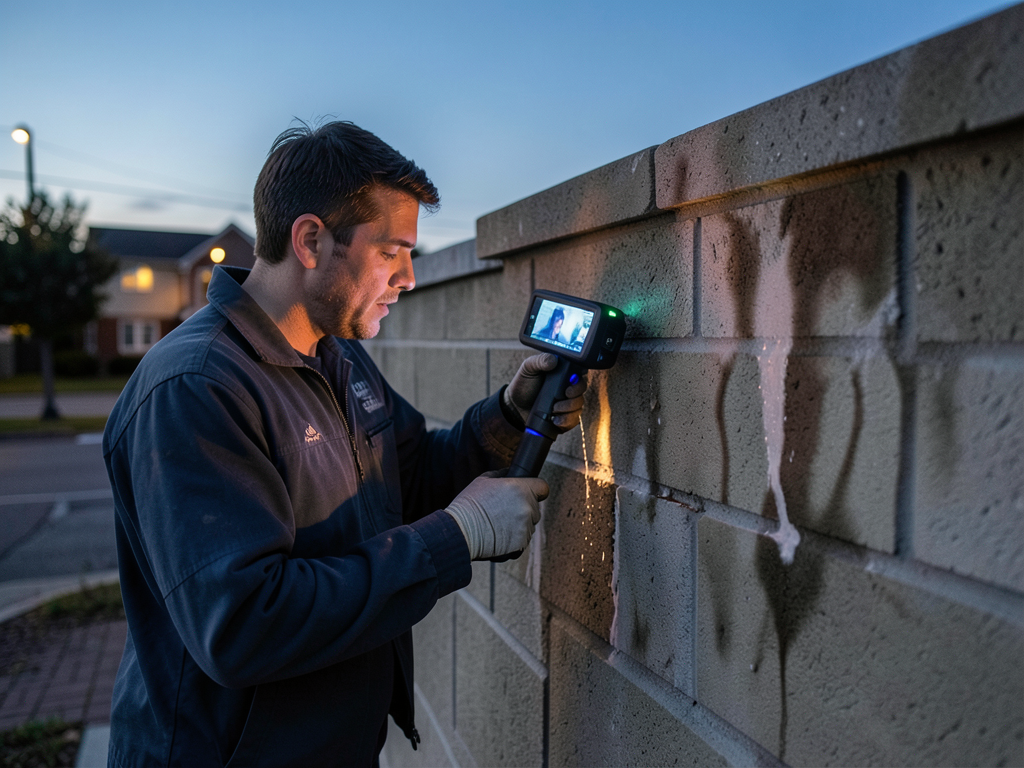
Our inspectors examine every penetration point, flashing detail, and drainage component. We use thermal imaging to detect trapped moisture in flat roof assemblies common in D.C.'s commercial corridors. Infrared scanning reveals saturated insulation that visual inspection misses. We document ventilation adequacy in attic spaces, checking for proper soffit intake and ridge exhaust that prevents condensation damage during humid summers.

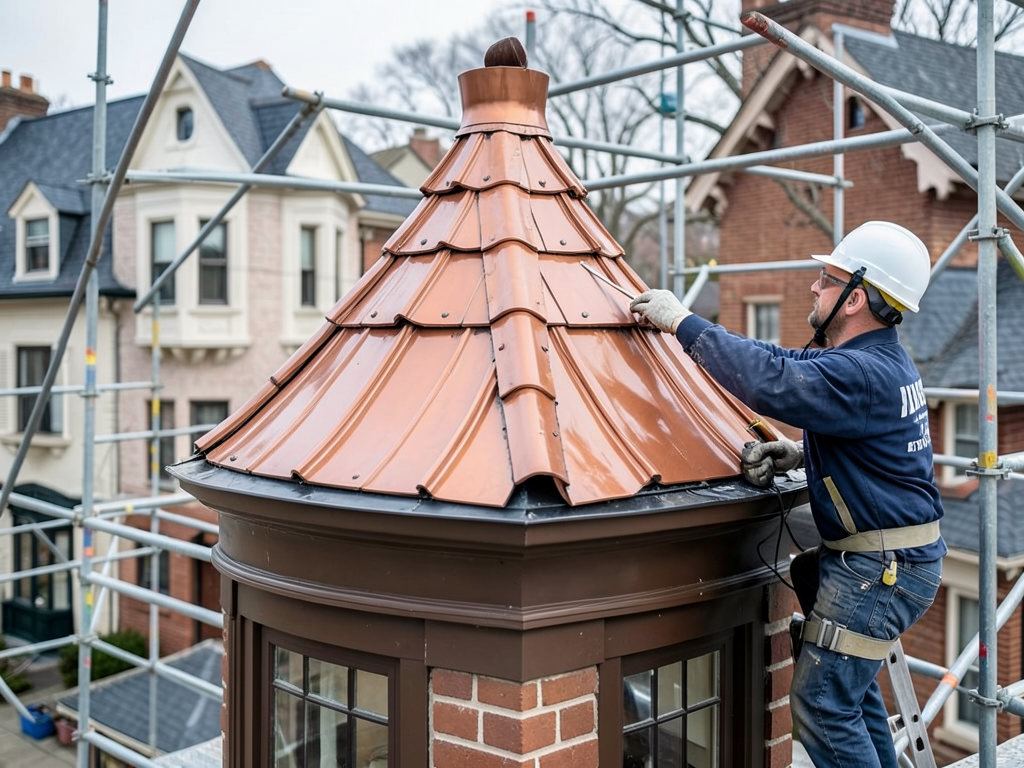
For Historic District properties, we assess the condition of slate, clay tile, or standing seam metal roofing systems using non-invasive techniques. We photograph each elevation, document any deteriorated materials, and note repairs that require HPRB approval. Your roof certification report includes specific recommendations that comply with preservation guidelines while addressing functional deficiencies.

We measure remaining granule coverage on asphalt shingles using standardized scales. We test sealant adhesion on metal panels. We probe wood decking at eaves and valleys where ice damming causes rot. We inspect chimney masonry for spalling bricks and deteriorated mortar joints that allow water intrusion.

The final roof inspection certificate includes material specifications, installation date verification through permit research, current condition ratings for each roof component, and a projected service life calculation. Insurance companies accept our documentation without additional engineering review. Title companies reference our reports during closing. Property managers use our findings to build maintenance budgets and capital improvement plans.

What Happens During Your Roof Certification Inspection

Roof Inspection & Certification in Washington, D.C. – Expert Documentation for Insurance, Real Estate, and Code Compliance
01

Initial Assessment and Documentation

We begin with permit research through D.C.'s Department of Consumer and Regulatory Affairs to establish installation date and verify code compliance at time of construction. We review any previous inspection reports you provide and identify specific concerns requiring detailed examination. Our inspector photographs all four elevations from ground level and documents property-specific features like satellite dishes, solar panels, or rooftop HVAC units that affect roof condition. We verify access requirements for Historic District properties.
02

Physical Roof Inspection

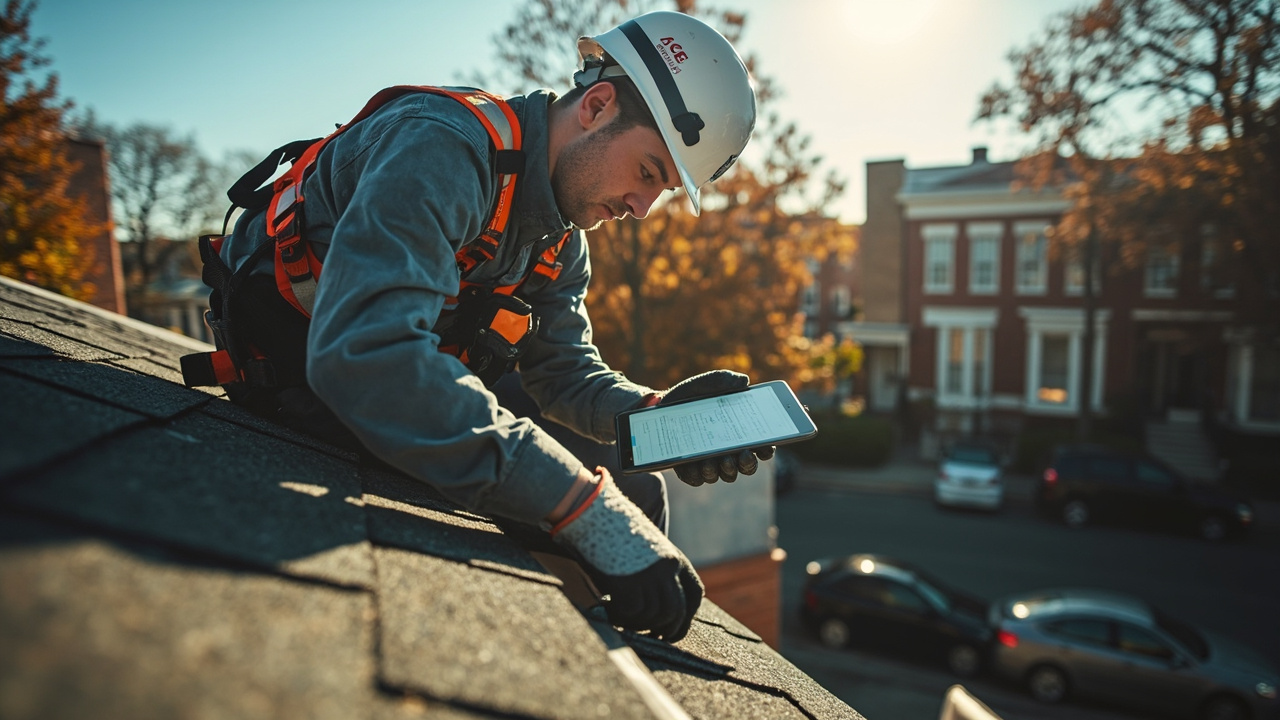
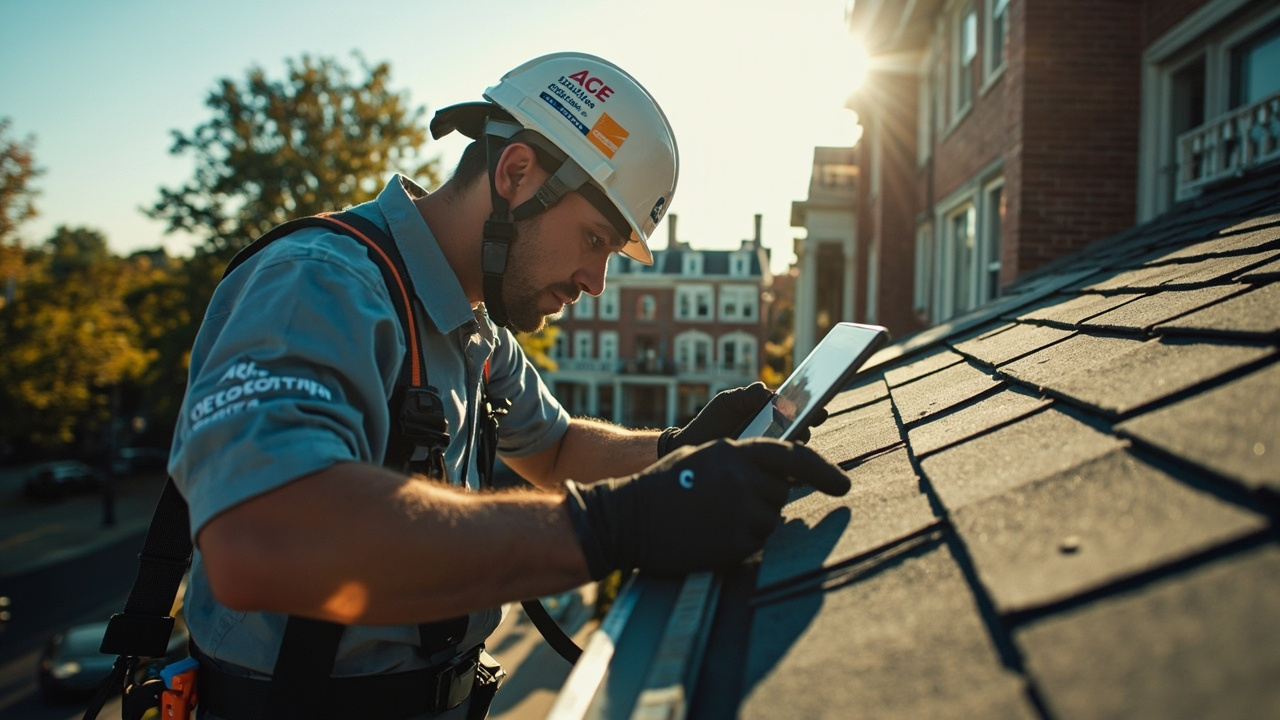
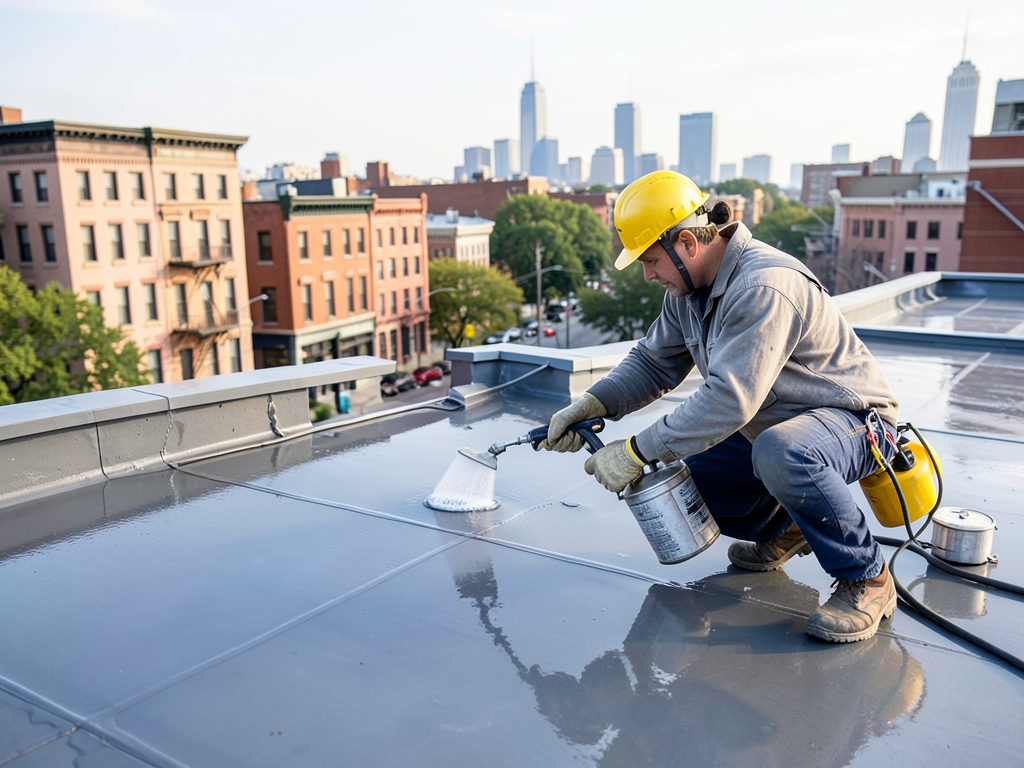
Our certified inspector accesses the roof surface to examine material condition, flashing integrity, and drainage function. We walk every section, checking for wind damage, granule loss, cracked tiles, or membrane punctures. We use moisture meters on flat roofs to detect trapped water in insulation layers. We inspect all penetrations including plumbing vents, exhaust fans, and chimney flashing. We document gutter condition, downspout discharge, and any standing water indicating drainage problems. Interior attic inspection checks for active leaks, ventilation adequacy, and structural concerns.
03

Report Delivery and Certification

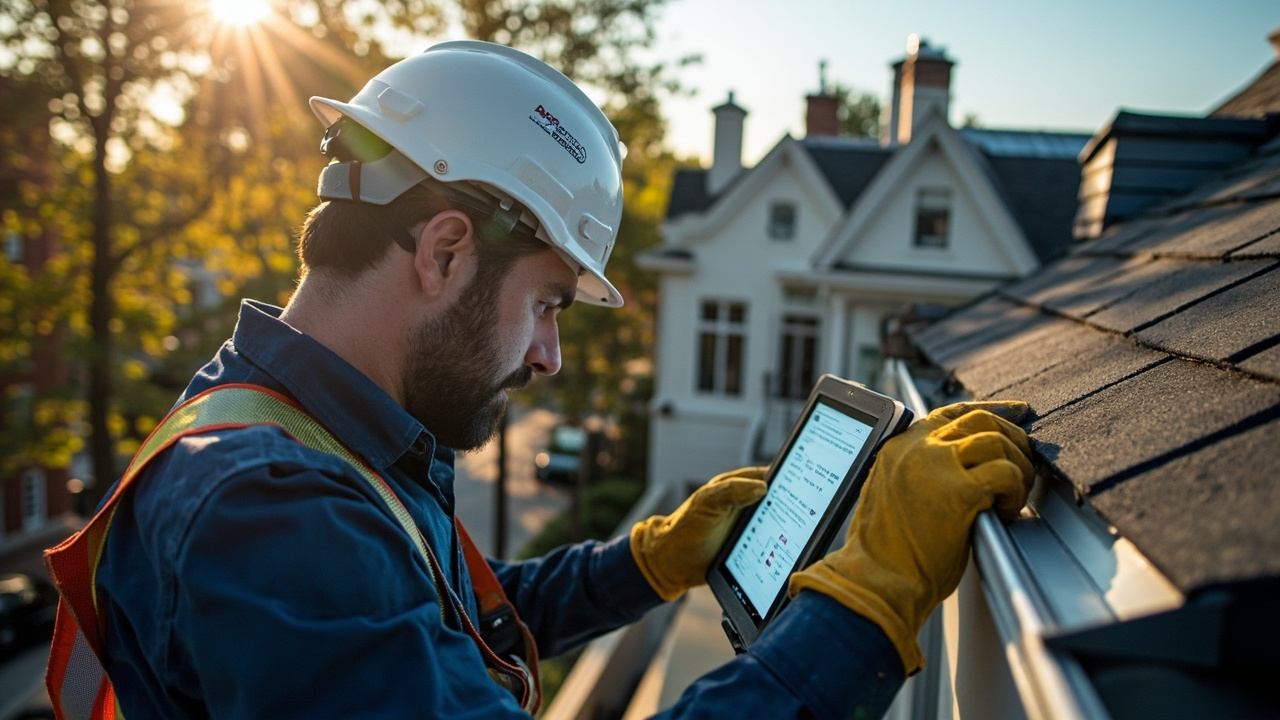
We compile findings into a comprehensive roof condition certification with condition ratings, photographic evidence, and specific repair recommendations. The report includes projected service life based on current condition and D.C. climate factors. You receive a signed roof certification letter suitable for insurance submission, real estate transactions, or lender requirements. We provide digital copies and explain any deficiencies requiring immediate attention versus long-term maintenance planning. The certification includes our inspector credentials and company licensure documentation for third-party verification.

Why D.C. Property Owners Trust Ace Roofing Washington DC for Certification

We understand the specific documentation requirements that D.C. properties face. Our inspectors know the difference between a standard inspection and the detailed roof certification report that insurance underwriters and title companies demand. We have worked with properties in every D.C. quadrant, from the Victorian rowhouses in Shaw to the mid-century commercial buildings along Connecticut Avenue.

Our experience with Historic District properties sets us apart. We know which repairs require HPRB approval and how to document existing conditions in a manner that satisfies preservation standards while providing honest assessment of functional deficiencies. We have inspected slate roofs on Capitol Hill townhouses dating to the 1880s and standing seam metal systems in Georgetown that have protected buildings for over a century.

We deliver reports that commercial property managers can present to ownership groups with confidence. When a portfolio manager needs to justify a roof replacement to investors, our detailed condition assessment provides the technical documentation that supports capital expenditure requests. We quantify problems with measurable data, not subjective opinions.

Insurance companies accept our certifications without requesting additional engineering review. We use standardized condition rating systems and photographic documentation protocols that adjusters recognize. When you submit our roof life certification with a claim or renewal application, you avoid the delays and additional costs that come from incomplete documentation.

Real estate attorneys reference our reports during contract negotiations. When a buyer's inspector flags roof concerns, our detailed assessment provides clarity that moves transactions forward. We have helped resolve countless pre-closing disputes by providing objective condition evaluation that both parties accept.

Local knowledge matters. We know how D.C.'s humidity affects different roofing materials. We understand the wind exposure differences between properties near the Potomac River waterfront and those in more sheltered neighborhoods. We factor these location-specific variables into our service life projections.

What Your Roof Certification Includes

Same-Week Scheduling and Fast Turnaround

We schedule inspections within three to five business days of your request. Most certifications are completed and delivered within 48 hours of the site visit. If you face a closing deadline or insurance submission requirement, we prioritize your inspection to meet your timeline. Morning inspections typically result in same-day preliminary findings with the full written report delivered the next business day. We understand that real estate transactions and insurance renewals operate on tight schedules. Our inspection process takes between 90 minutes and three hours depending on building size and roof complexity. We work around your schedule and coordinate with property managers or tenants to minimize disruption.

Comprehensive Material and Structural Assessment

Our inspection evaluates every component that affects roof performance and longevity. We assess primary roofing material condition using industry-standard rating criteria. We examine all flashing details at walls, chimneys, and penetrations. We check valley construction and eave protection. We verify proper ventilation in attic spaces and inspect for moisture intrusion or structural damage. Flat roof inspections include core sampling if membrane condition is questionable. We document drainage adequacy and identify any ponding water concerns. Historic building inspections include assessment of original materials and previous repair work quality. The certification identifies immediate safety concerns separately from long-term maintenance needs, allowing you to prioritize spending appropriately.

Detailed Documentation That Satisfies All Requirements

Your roof certification report includes high-resolution photographs of all roof sections, close-up images of any deficiencies, and annotated diagrams identifying problem areas. The written assessment provides material specifications, installation date, current condition ratings, and projected remaining service life. We include our inspector's credentials and company license information for verification purposes. The certification letter summarizes findings in language that insurance adjusters and lenders recognize. Reports meet NRCIA documentation standards and include all elements required for insurance underwriting, real estate transactions, and commercial property due diligence. You receive both digital PDF files and printed copies suitable for submission to third parties. The documentation provides legal protection by establishing baseline condition at a specific point in time.

Follow-Up Support and Repair Coordination

We remain available to answer questions from your insurance company, real estate attorney, or lender about the certification findings. If the inspection identifies repairs needed before a certification can be issued, we provide detailed estimates and coordinate the work to meet your deadline. For commercial properties, we help prioritize repairs based on urgency and budget constraints. We can re-inspect after repairs are completed and issue an updated certification confirming the work was performed correctly. Property owners receive guidance on maintenance practices that extend roof life and prevent premature failure. We maintain inspection records and can provide comparison data if you need recertification in future years. Our goal is to give you documentation that solves your immediate need while providing long-term value for property management decisions.

Frequently Asked Questions

You Have Questions,
We Have Answers

How D.C.'s Humid Climate and Federal Standards Affect Roof Certification Requirements

Washington, D.C. sits in USDA Hardiness Zone 7b with summer dew points regularly exceeding 70 degrees. This humid subtropical climate creates roof deterioration patterns that differ significantly from drier regions. Algae blooms on north-facing slopes leave black staining that concerns buyers during home sales. Moss growth in shaded areas traps moisture against shingles and accelerates granule loss. Metal flashing corrodes faster in humid conditions. Flat roof membranes on commercial buildings experience thermal cycling that causes premature cracking when moisture penetrates seams. Insurance companies factor these climate-specific risks into underwriting decisions. A proper roof condition certification must document how D.C.'s humidity has affected your specific roof system and provide realistic service life projections based on local weather patterns rather than national averages.

D.C.'s building code incorporates both International Building Code standards and federal requirements for properties leased to government tenants. Historic District regulations add another compliance layer that affects certification documentation. Properties in Georgetown, Capitol Hill Historic District, and other protected areas require roof repairs to meet Historic Preservation Review Board guidelines. A roofing inspection certificate for these properties must note any non-conforming materials or previous repairs that deviate from original construction methods. Commercial properties serving federal tenants need certification that confirms compliance with GSA technical standards. Ace Roofing Washington DC understands these layered requirements and structures roof certification reports to address the specific regulatory framework your property faces. Local expertise prevents certification rejections and ensures your documentation satisfies all reviewing parties.
Roofing Services in The Washington DC Area

We are proud to serve the entire Washington DC metropolitan area, including all surrounding neighborhoods and communities. Our central location allows us to dispatch our expert teams quickly for emergency repairs or scheduled consultations. Whether you're in Dupont Circle, Georgetown, Capitol Hill, or beyond, we bring premier, trustworthy roofing services directly to your doorstep. View our service area map below to confirm we cover your specific location and then call us to get started on your project.

Address:
Ace Roofing Washington DC, 20 F St NW, Washington, DC, 20001

Additional Services We Offer

Our news updates

Latest Articles & News from The Blogs

How City Pollution and Soot Wear Down Roofs in Busy Areas Like Thomas Circle\n\nYour roof takes the brunt of Washington…

How City Pollution and Soot Wear Down Roofs in Busy Areas Like Thomas Circle

How City Pollution and Soot Wear Down Roofs in Busy Areas Like Thomas Circle\n\nYour roof takes the brunt of Washington…

Hidden Structural Issues Often Found Under the Roofs of Striver's Section Victorians

Hidden Structural Issues Often Found Under the Roofs of Striver’s Section Victorians Victorian homes in Washington DC’s Striver’s Section carry…

Sealing Your Leaky Roof Hatch to Save Money on Energy in Near Northeast

Sealing Your Leaky Roof Hatch to Save Money on Energy in Near Northeast Living in Near Northeast means dealing with…

Contact Us

Stop guessing about roof condition. Get documentation that insurance companies and lenders accept. Call Ace Roofing Washington DC at (771) 240-3300 to schedule your inspection this week. We deliver comprehensive roof certification reports that resolve disputes and satisfy regulatory requirements throughout Washington, D.C.