menu

TPO Roofing Installation in Washington, D.C. – Minimize Downtime with Industrial-Grade Single-Ply Systems

Fast-track your commercial TPO membrane roofing project with pre-engineered systems designed for flat roofs across the District, from Georgetown warehouses to Capitol Hill office buildings, reducing business interruption by up to 40 percent.

Slider Image 1
Slider Image 2
Slider Image 3
Slider Image 4
Slider Image 5
Slider Image 7
Slider Image 8
Slider Image 9
Slider Image 10
Slider Image 11

Why Commercial Buildings in Washington, D.C. Depend on TPO Roofing Systems

Washington, D.C.'s humid subtropical climate creates a hostile environment for commercial flat roofs. Summer heat drives surface temperatures past 160 degrees, while winter freeze-thaw cycles cause membrane contraction and seam stress. The District's dense urban core compounds this problem with reflective heat from neighboring buildings and trapped moisture from limited airflow between structures.

Your facility cannot afford roof failure. A compromised membrane means water intrusion, inventory damage, and interrupted operations. Traditional built-up roofing systems require extended installation windows that halt business activity. Thermoplastic Polyolefin installation solves this problem with heat-welded seams that create a monolithic barrier, faster than adhesive or mechanical systems.

Commercial TPO roof systems handle the District's weather extremes through flexible polymer chemistry that expands and contracts without cracking. The white reflective surface reduces cooling loads by up to 30 percent, a significant factor when your building sits in the urban heat island between Dupont Circle and Navy Yard. Single-ply TPO roofing delivers a watertight envelope in days, not weeks, because the membrane arrives in large sheets that cover more area per installation hour.

TPO flat roof installation has become the default choice for distribution centers in Northeast D.C. and office complexes near L'Enfant Plaza because it meets commercial building codes without the weight penalty of modified bitumen or the maintenance demands of EPDM rubber. Your roof is a business asset, not a repair liability.

Why Commercial Buildings in Washington, D.C. Depend on TPO Roofing Systems
How We Execute Commercial TPO Membrane Roofing Projects

How We Execute Commercial TPO Membrane Roofing Projects

We approach every TPO roofing installation as a business continuity project, not just a construction job. Our methodology starts with thermal imaging to identify wet insulation and deck damage invisible to standard inspections. This prevents costly callbacks when hidden moisture causes premature membrane failure six months after installation.

We specify polyisocyanurate insulation over lightweight concrete decks common in older District buildings because it provides R-30 thermal resistance without adding structural load. Mechanically fastened systems work for buildings with adequate deck attachment, but we recommend fully adhered TPO membrane roofing for high-wind zones near the Potomac River where uplift forces exceed 90 pounds per square foot during severe weather events.

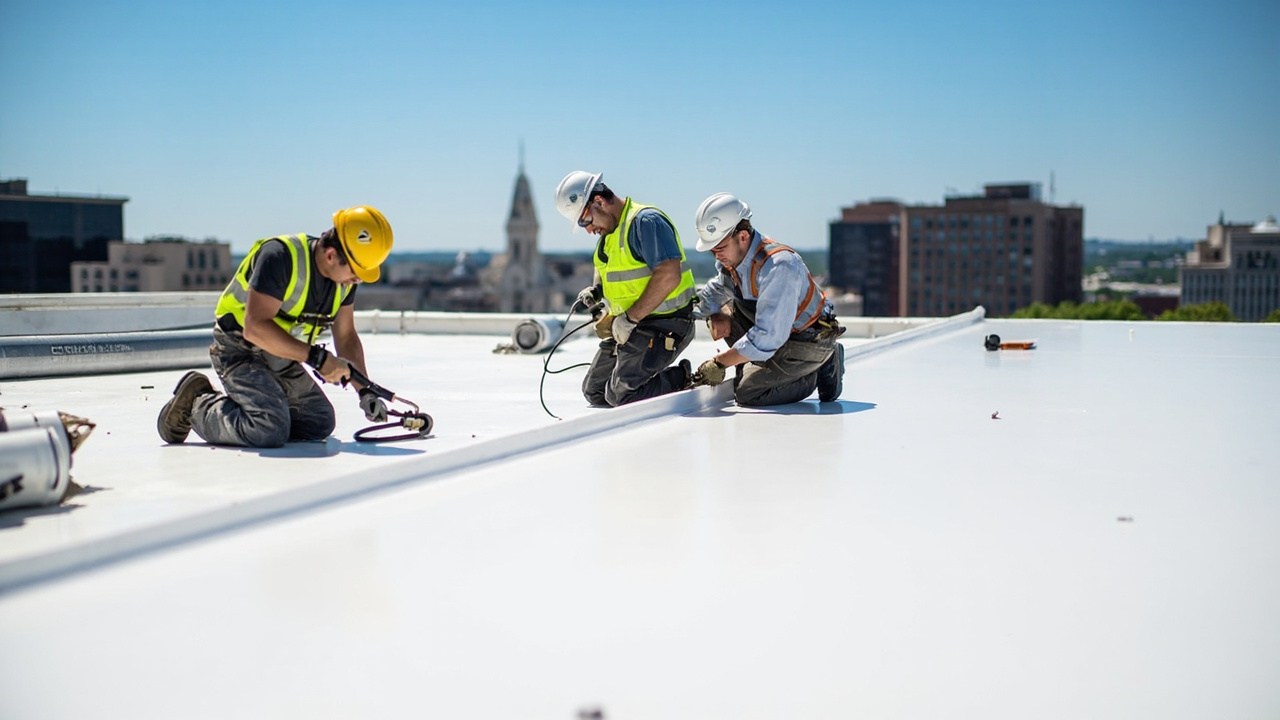
Our installation crews use robotic hot-air welders that create seams twice as strong as hand-welded joints. We pull test samples every 100 feet to verify seam strength exceeds 25 pounds per linear inch, the threshold required for commercial warranties. Flashing details around rooftop HVAC units receive termination bars and sealant because wind-driven rain in Washington, D.C. finds every unsealed penetration.

We coordinate with your facility manager to stage material deliveries during off-hours and sequence work to keep operational areas dry. A 20,000-square-foot roof typically requires four to six days from tear-off to final inspection, assuming no structural repairs. We use dust containment barriers and negative air machines to prevent disruption to occupied spaces below. Your business stays open while we work overhead.

What Happens During Your TPO Installation Project

TPO Roofing Installation in Washington, D.C. – Minimize Downtime with Industrial-Grade Single-Ply Systems
01

Roof Assessment and Engineering

We conduct a structural load analysis and infrared moisture scan to map existing damage. Our specifications include deck fastener pullout testing to determine attachment capacity, critical for buildings constructed before 1980 when metal decks were thinner gauge. You receive a detailed scope document showing insulation R-values, membrane thickness, and flashing details before work begins, allowing you to coordinate insurance claims and capital planning.
02

Membrane Installation and Welding

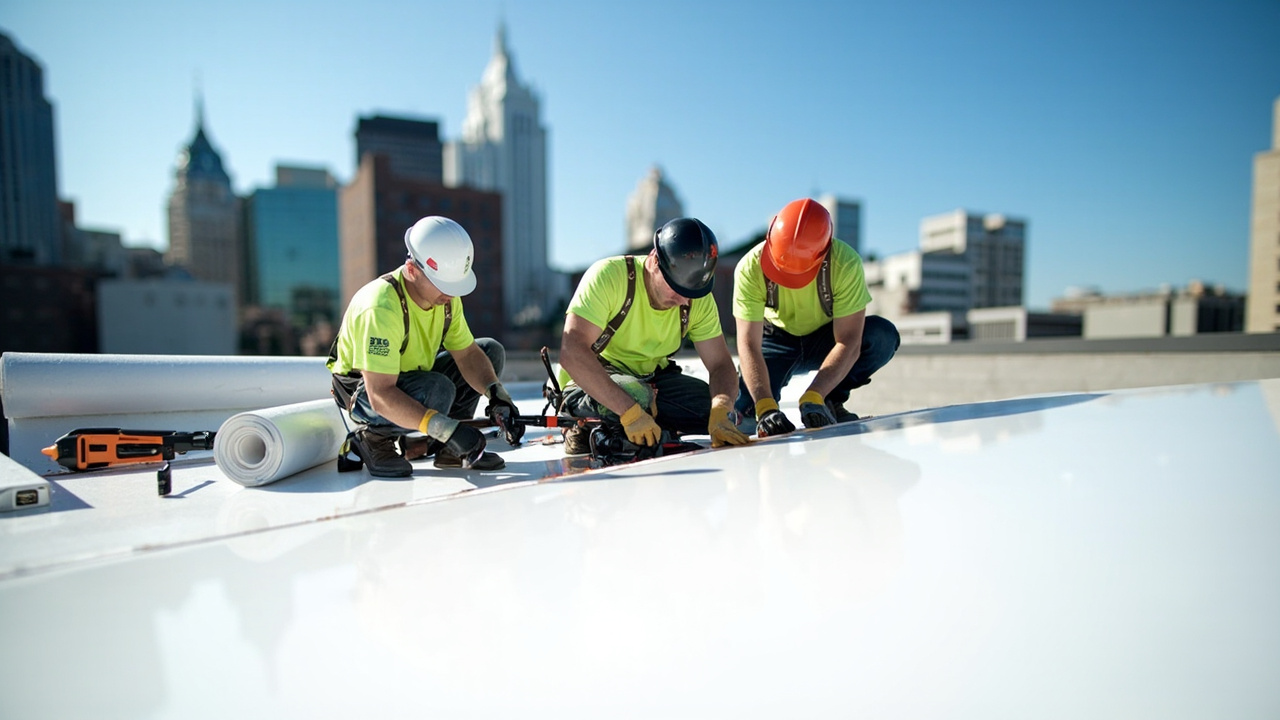
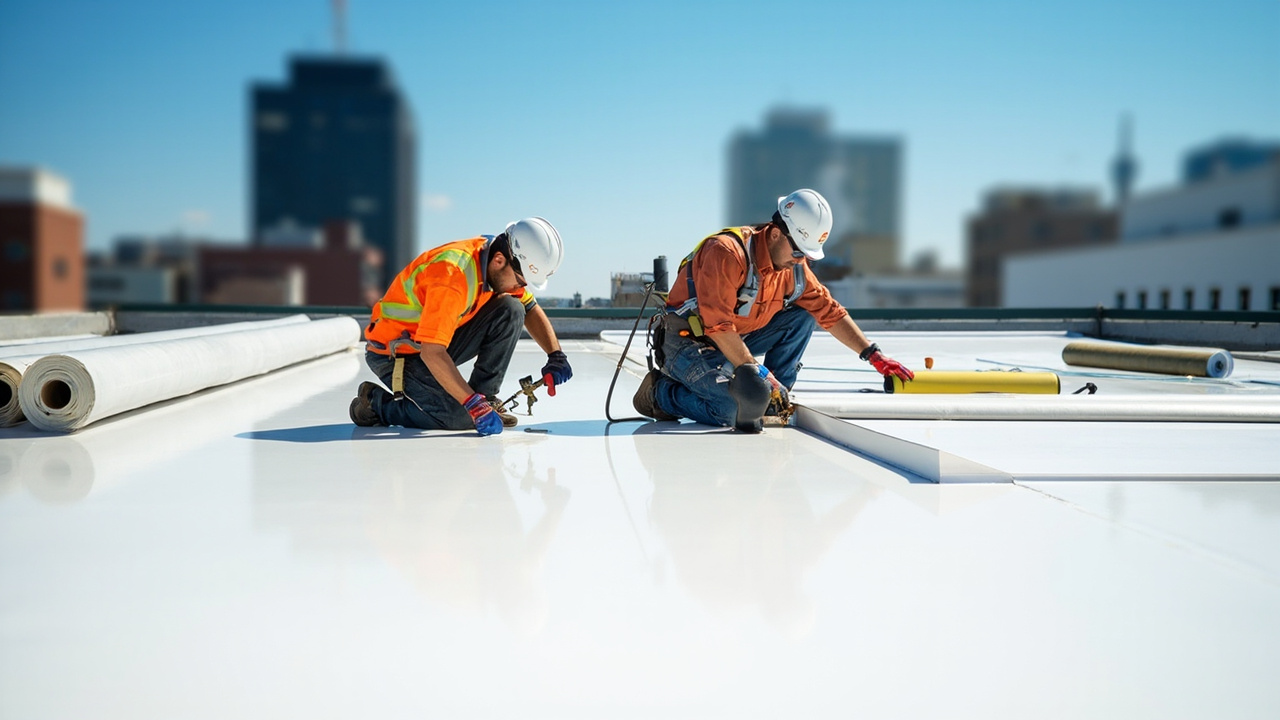
Our crews remove the existing roof system down to the structural deck, inspect for rust or deterioration, then install tapered insulation to eliminate ponding water. The TPO membrane goes down in sections up to 10 feet wide, with seams overlapped two inches and welded using 500-degree heated air. We probe every seam with a blunt tool to verify fusion, then apply lap sealant as secondary protection. Perimeter edge metal and coping caps get mechanically fastened every 12 inches to resist wind uplift.
03

Quality Control and Handover

We flood test all drains, verify proper drainage slope with a laser level, and document the installation with time-stamped photos for warranty activation. You receive a roof care manual with maintenance requirements and a marked-up blueprint showing insulation thickness and fastener locations. This documentation is required for D.C. Department of Buildings permits and becomes part of your property file, essential for future refinancing or sale transactions.

Why District Building Owners Choose Local TPO Roofing Specialists

Washington, D.C. operates under unique building codes that blend federal oversight with municipal regulations. The District's Green Building Act requires roofs to meet specific solar reflectance index values, and TPO membrane naturally qualifies with an SRI above 78 without additional coatings. We understand these requirements because we work exclusively in the Washington metro area, from Alexandria to Silver Spring.

Our familiarity with the Historic Preservation Review Board process matters if your building sits in Georgetown, Capitol Hill, or Dupont Circle historic districts. We have installed TPO systems on contributing structures where visible equipment required design review, and we know how to detail parapet walls on 19th-century masonry buildings without damaging original brickwork.

The District's summer thunderstorms deliver intense rainfall that overwhelms undersized roof drains common in pre-1990 construction. We upsize drain connections and add overflow scuppers during TPO installation to meet current plumbing codes, preventing the ponding water that voids manufacturer warranties. This attention to drainage has saved clients from catastrophic leaks during the microbursts that hit the District every July and August.

We maintain relationships with local membrane distributors who stock material in Maryland warehouses, allowing us to start projects within 72 hours of approval instead of waiting for factory shipments. Our crews live in the District and commute from Anacostia, Petworth, and Brookland, so they understand the narrow street access and parking restrictions that complicate equipment delivery in dense commercial corridors. We solve logistical problems that delay out-of-town contractors by weeks.

What to Expect from Your Commercial TPO Roofing Project

Project Timeline and Scheduling

Most commercial TPO installations require four to eight days depending on roof size and complexity. We schedule work during your slow season or break the project into phases to maintain operations. Weather delays are minimal because TPO installation does not require adhesive curing time. We provide a daily progress report showing completed square footage and any unforeseen conditions discovered during tear-off. Rush schedules are available for buildings with active leaks threatening inventory or equipment, with crews working extended hours to complete critical sections first.

Pre-Installation Assessment Process

Our assessment includes core samples to verify insulation type and thickness, pull tests on existing fasteners, and a written report identifying code compliance issues. We use thermal imaging after sunset when temperature differentials reveal trapped moisture invisible during daylight inspections. You receive a cost breakdown separating membrane installation from structural repairs, allowing you to phase work across budget cycles. We coordinate with your insurance adjuster if storm damage qualifies for claim coverage, providing documentation that satisfies commercial underwriting requirements.

Installation Quality Standards

We install 60-mil TPO membrane as minimum thickness for commercial applications, with 80-mil upgrades for high-traffic roofs accessed for maintenance. Seam strength testing occurs every 100 linear feet using calibrated equipment, with results logged for warranty activation. Our work meets ASTM D4637 standards for thermoplastic sheet roofing and exceeds Factory Mutual wind uplift requirements for your building height and exposure category. The finished roof includes a reflective coating that maintains Energy Star qualification for the system's full service life, typically 20 to 25 years with proper maintenance.

Post-Installation Support and Maintenance

We provide a maintenance plan outlining quarterly inspections and drain cleaning to prevent warranty voids. Manufacturer material warranties cover membrane defects for up to 20 years, while our labor warranty addresses installation errors for five years. We offer annual inspection contracts that include infrared scanning to detect moisture intrusion before it damages interior finishes. Our maintenance team responds to service calls within 24 hours because small repairs prevent major failures. You receive a digital roof asset file with warranty certificates, inspection reports, and maintenance logs required for property management audits.

Frequently Asked Questions

You Have Questions,
We Have Answers

What are the disadvantages of TPO roofing? +

TPO roofing faces three primary issues in commercial applications. First, membrane quality varies widely between manufacturers, leading to inconsistent performance and premature failure. Second, seam integrity depends entirely on installer skill. Poor heat-welding creates weak points where moisture infiltrates. Third, TPO offers limited puncture resistance compared to other single-ply membranes, making it vulnerable to foot traffic damage during HVAC maintenance. In Washington DC's humid climate, failed seams accelerate water intrusion into roof decks. UV degradation also occurs faster on lower-grade TPO formulations. For commercial buildings near Capitol Hill or Georgetown with frequent rooftop equipment access, these vulnerabilities increase long-term maintenance costs and business disruption risk.

What goes under a TPO roof? +

A compliant commercial TPO installation requires multiple substrate layers. The structural deck (concrete or metal) supports a rigid insulation board, typically polyisocyanurate or expanded polystyrene, meeting DC energy code requirements. A cover board (gypsum, cement fiber, or high-density polyiso) protects insulation from membrane stress and distributes loads. This layer prevents punctures during maintenance and improves fire resistance. Washington DC commercial projects often require upgraded R-values due to federal building standards. The TPO membrane bonds to this assembly through mechanical fastening or adhesive. Proper layering prevents condensation issues common in the region's humid summers and ensures code compliance for commercial occupancy permits.

Can you put TPO directly over plywood? +

Direct TPO installation over plywood violates most commercial building codes and manufacturer warranties. Plywood lacks the dimensional stability required for single-ply membrane systems. Wood expands and contracts with Washington DC's seasonal humidity swings, causing membrane stress and seam failure. Commercial installations require a cover board between insulation and membrane to meet fire ratings and provide puncture resistance. For retrofit projects on older commercial buildings with wood decks, you must install rigid insulation and cover board first. This assembly meets International Building Code requirements enforced in DC. Shortcuts compromise roof integrity and void material warranties, exposing building owners to liability and premature replacement costs within five years.

Should TPO roofing be glued down? +

Adhesive attachment offers superior wind uplift resistance for commercial TPO roofs in Washington DC. The region experiences severe weather events, including remnants of coastal storms with sustained winds exceeding 70 mph. Fully adhered systems eliminate mechanical fastener penetrations that create thermal bridges and potential leak points. This method works well for occupied commercial buildings where noise from loose membrane flapping disrupts business operations. However, adhesive installation requires dry conditions and specific temperature ranges, complicating scheduling. It also costs more than mechanically fastened systems. For buildings near the Potomac waterfront or exposed rooftops downtown, full adhesion provides necessary wind resistance and meets stricter commercial insurance requirements for weather-related damage coverage.

How many years does a TPO roof last? +

Commercial-grade TPO roofing delivers 15 to 25 years of service life when installed correctly. Longevity depends on membrane thickness, installation quality, and maintenance frequency. Washington DC's climate challenges TPO through intense summer UV exposure, freeze-thaw cycles, and high humidity. Buildings with regular HVAC technician traffic experience faster wear. Sixty-mil membranes outlast forty-five-mil options in high-traffic applications. Commercial property owners should schedule biannual inspections to identify seam degradation, ponding water, and punctures before they cause interior damage. Deferred maintenance reduces lifespan significantly. For commercial buildings near federal districts where appearance matters, reflective TPO maintains aesthetics longer than darker membranes while reducing cooling costs through solar reflectance.

Why do insurance companies not like flat roofs? +

Insurance underwriters scrutinize flat roofs because water evacuation depends entirely on drainage system performance rather than gravity. Ponding water accelerates membrane degradation and increases collapse risk from snow loads. In Washington DC, flat roofs on commercial buildings face combined challenges: intense summer thunderstorms, occasional heavy snow, and aging drainage infrastructure. Insurers view these factors as elevated risk for water damage claims and structural failure. Commercial policies often require higher premiums, mandatory drainage upgrades, or annual roof certifications. Buildings near Rock Creek Park or low-lying areas face additional scrutiny due to localized flooding potential. Proper documentation of maintenance history and drainage performance helps negotiate better commercial insurance rates and coverage terms.

How much is a 60 mil TPO roof? +

Commercial TPO pricing varies based on project complexity, building height, existing conditions, and membrane specifications. Sixty-mil TPO costs more per square foot than thinner options but delivers better puncture resistance for high-traffic commercial roofs. Washington DC projects face additional costs from permit fees, disposal regulations, and prevailing wage requirements for government-adjacent work. Building access limitations downtown increase labor expenses. Insulation upgrades to meet current energy codes add substantial costs to retrofit projects. For accurate budgeting, commercial property owners should request detailed proposals that separate materials, labor, insulation, and ancillary work. Financing options through commercial lenders help spread costs while preventing business disruption from deferred roof replacement on occupied buildings.

Which roof is better, EPDM or TPO? +

TPO outperforms EPDM in commercial applications requiring high solar reflectance and heat-welded seams. White TPO membranes reduce cooling loads in Washington DC's hot summers, lowering operating costs for commercial buildings. Heat-welded seams create stronger bonds than EPDM's taped or glued seams, reducing long-term leak risk. However, EPDM offers better flexibility in cold weather and simpler repairs. For commercial buildings with complex rooftop equipment layouts common in DC's downtown corridor, TPO's weldability creates more reliable penetration seals around HVAC units. EPDM suits budget-conscious warehouse applications with minimal foot traffic. Your choice depends on building use, traffic patterns, energy management priorities, and long-term maintenance capabilities rather than material cost alone.

Why does a TPO roof leak? +

TPO roof leaks stem from three primary causes in commercial installations. Failed seam welds allow water infiltration where membrane sheets join. Improper heat-welding during installation or poor-quality membrane creates weak seams that separate under thermal stress. Punctures from foot traffic, falling tools, or hail damage compromise membrane integrity. In Washington DC's climate, freeze-thaw cycling stresses existing weak points. Improperly sealed penetrations around HVAC units, vents, and drains create entry points for moisture. Ponding water from inadequate drainage accelerates membrane degradation. Commercial buildings require immediate leak investigation because water travels laterally beneath membranes before appearing inside, making source identification difficult. Regular inspections catch seam degradation and punctures before they cause interior damage and business interruption.

Can you glue TPO to osb? +

Gluing TPO directly to OSB violates manufacturer specifications and building codes for commercial installations. OSB lacks the required dimensional stability and fire resistance for commercial roofing assemblies. Wood-based substrates absorb moisture in Washington DC's humid climate, causing swelling that stresses membrane adhesion and creates failure points. Commercial projects require non-combustible cover boards over structural decks to meet fire ratings. Adhesives also require specific substrate preparations that OSB cannot provide. For commercial retrofit projects with OSB substrates, you must install rigid insulation and appropriate cover board first. This assembly meets International Building Code standards enforced in DC and preserves material warranties. Shortcuts create liability exposure and premature system failure requiring complete tear-off within years.

How Washington, D.C.'s Federal Building Standards Impact Commercial TPO Installation

The District's commercial buildings must comply with federal energy standards more stringent than typical state codes. The General Services Administration sets roofing requirements for government-leased properties across the city, mandating cool roof technology that reflects solar radiation. TPO membrane roofing qualifies automatically because its white surface maintains a solar reflectance index above 78, meeting Executive Order 13693 requirements without additional coatings that degrade over time. Buildings near federal facilities in Foggy Bottom or around Union Station face heightened security protocols that affect contractor access and material deliveries, requiring coordination with protective services.

Ace Roofing Washington DC understands the D.C. Department of Buildings permit process and the unique inspections required for commercial projects in the District. We maintain relationships with code officials who understand single-ply roofing systems and can expedite plan reviews that delay projects. Our crews hold security clearances required for work near sensitive government buildings, and we carry the liability limits demanded by property managers in the District's competitive commercial real estate market. Local expertise means we navigate the regulatory environment efficiently while out-of-town contractors struggle with unexpected compliance issues.

Roofing Services in The Washington DC Area

We are proud to serve the entire Washington DC metropolitan area, including all surrounding neighborhoods and communities. Our central location allows us to dispatch our expert teams quickly for emergency repairs or scheduled consultations. Whether you're in Dupont Circle, Georgetown, Capitol Hill, or beyond, we bring premier, trustworthy roofing services directly to your doorstep. View our service area map below to confirm we cover your specific location and then call us to get started on your project.

Address:
Ace Roofing Washington DC, 20 F St NW, Washington, DC, 20001

Additional Services We Offer

Our news updates

Latest Articles & News from The Blogs

How City Pollution and Soot Wear Down Roofs in Busy Areas Like Thomas Circle\n\nYour roof takes the brunt of Washington…

How City Pollution and Soot Wear Down Roofs in Busy Areas Like Thomas Circle

How City Pollution and Soot Wear Down Roofs in Busy Areas Like Thomas Circle\n\nYour roof takes the brunt of Washington…

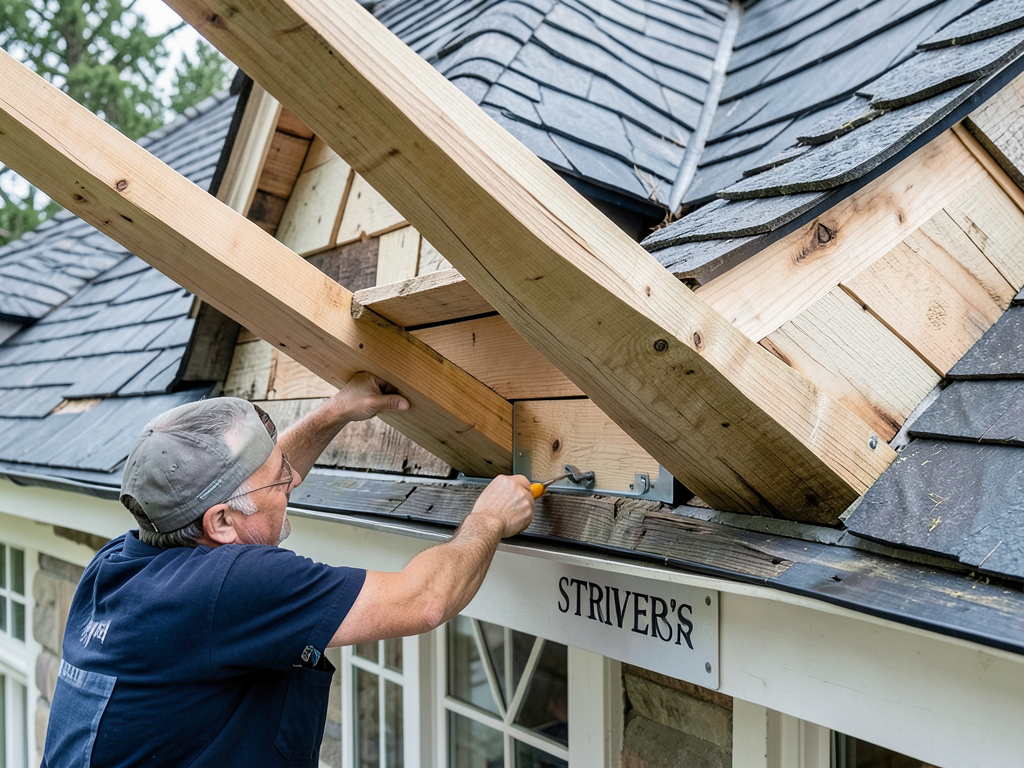
Hidden Structural Issues Often Found Under the Roofs of Striver's Section Victorians

Hidden Structural Issues Often Found Under the Roofs of Striver’s Section Victorians Victorian homes in Washington DC’s Striver’s Section carry…

Sealing Your Leaky Roof Hatch to Save Money on Energy in Near Northeast

Sealing Your Leaky Roof Hatch to Save Money on Energy in Near Northeast Living in Near Northeast means dealing with…

Contact Us

Your building cannot afford a failed roof system. Call (771) 240-3300 now to schedule a thermal scan and installation timeline. We provide detailed proposals within 48 hours and can mobilize crews immediately for urgent projects.