
Fixing Common Roof Problems Found in Glover Park Rowhouses
Glover Park rowhouses face unique roofing challenges from Washington DC’s humid summers, occasional heavy snow, and the neighborhood’s historic architecture. These classic homes often need specialized repairs to protect against water damage and preserve their character. This guide covers the most common roof problems we see in 20007 and how to fix them properly. DC Department of Buildings.
Why Glover Park Rowhouses Need Specialized Roof Repair
Glover Park sits in Northwest DC’s 20007 zip code, where rowhouses built in the early 1900s feature slate tiles, flat roof sections, and intricate flashing details. The area’s mature trees drop debris that clogs gutters, while the humid climate encourages algae growth on shingles. These factors create a perfect storm for roof deterioration if not addressed by experienced DC contractors. Why Your Capitol Hill Rowhouse Needs a Specialized Flat Roof System.
Common Roof Problems in Glover Park Homes
Understanding what typically goes wrong helps homeowners spot issues early. Here are the five most frequent problems we repair in Glover Park rowhouses. EPA guidelines.
1. Slate Tile Deterioration and Missing Pieces
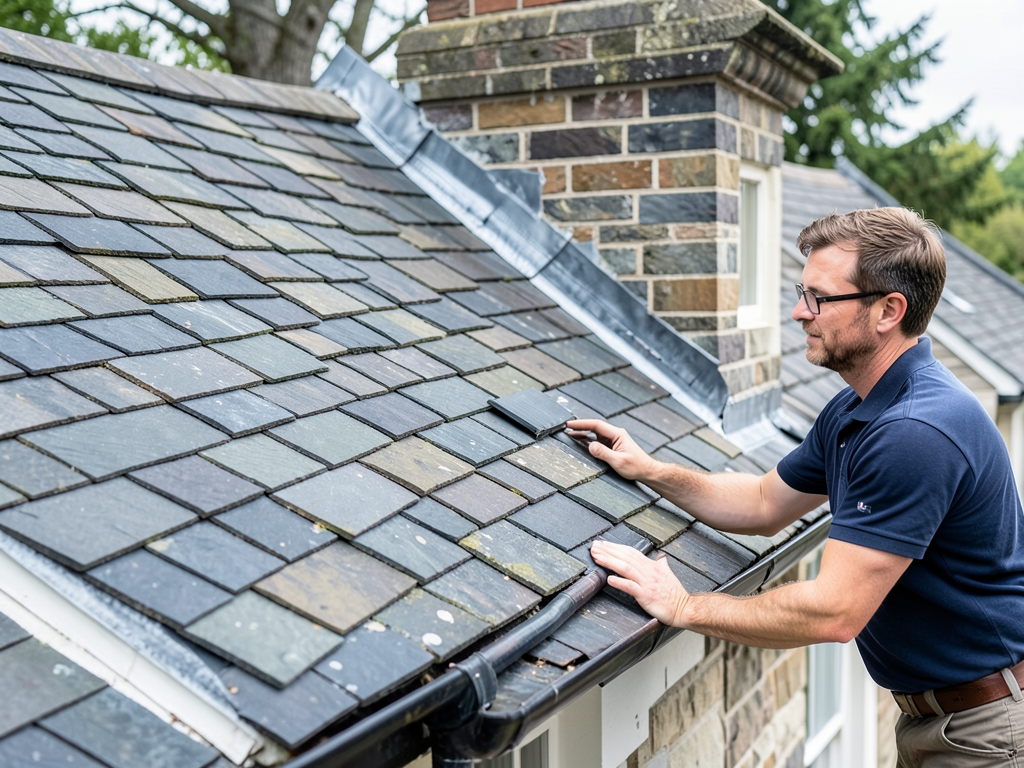
Many Glover Park rowhouses feature original slate roofing, which can last over 100 years but develops problems as it ages. Slate tiles crack from freeze-thaw cycles, especially after DC’s occasional winter storms. Missing pieces create direct paths for water to reach the underlayment. How to Get Your Roof Ready for a DC Winter in Chevy Chase.
2. Flat Roof Membrane Failure
Historic rowhouses often have flat or low-slope sections over porches or additions. These areas use modified bitumen or EPDM membranes that deteriorate from UV exposure and ponding water. Poor drainage causes water to pool, leading to leaks into living spaces below. Navigating Historic Preservation Roofing Rules in Dupont Circle.
3. Chimney and Skylight Flashing Leaks
Glover Park’s older homes have brick chimneys and vintage skylights that rely on metal flashing to keep water out. Over time, flashing separates from masonry or corrodes, allowing water to seep behind walls. This creates hidden damage that homeowners often discover only after interior staining appears.. Read more about Identifying Hail Damage vs Regular Aging on Michigan Park Roofs.
4. Gutter and Downspout Clogs
Towering oak and maple trees throughout Glover Park drop leaves and twigs that fill gutters each fall. When water can’t drain properly, it backs up under shingles or overflows behind fascia boards. This constant moisture exposure rots wood and attracts pests.
5. Ice Dam Formation in Winter
Though DC doesn’t get frequent heavy snow, when it does accumulate, poor attic ventilation can cause ice dams. Warm air from the house melts snow on the roof, which refreezes at the colder eaves. This ice buildup forces water under shingles, damaging ceilings and walls.
Our Glover Park Roof Repair Process
We follow a systematic approach to ensure lasting repairs for Glover Park rowhouses. Our process addresses both immediate problems and underlying causes.
Step 1: Comprehensive Roof Inspection
We start with a detailed inspection using drones for hard-to-reach areas and moisture meters to detect hidden water damage. This identifies all problem spots, from obvious missing tiles to subtle underlayment deterioration.. Read more about Getting a Professional Roof Inspection Before Selling Your Foggy Bottom Property.
Step 2: DC Department of Buildings Permit Handling
Washington DC requires permits for most roof repairs on historic properties. We handle all DOB paperwork, ensuring compliance with local building codes and historic preservation guidelines for the Glover Park Historic District. The Real Cost of a Roof Replacement for Washington DC Homeowners.
Step 3: Material Matching and Replacement
For slate repairs, we source matching tiles from salvage yards or specialty suppliers to maintain your home’s historic appearance. Flat roof sections get modern membranes with improved UV resistance and longer warranties than original materials.. Read more about Finding a Reliable Slate Roof Specialist in Georgetown.
Step 4: Flashing and Waterproofing Upgrades
We replace corroded flashing with code-compliant materials and add ice-and-water shields in vulnerable areas. This prevents future leaks at chimneys, skylights, and valleys where water concentrates during storms.
Step 5: Final Inspection and Clean-Up
After repairs, we conduct a final walkthrough with you, explaining what we fixed and providing maintenance tips. We remove all debris and run magnets over your yard to catch any nails that might have fallen. The Best Flat Roof Maintenance Tips for Petworth Homeowners.
DC Weather and Architecture Impact on Glover Park Roofs
Washington DC’s climate creates specific challenges for Glover Park rowhouses. The area’s high humidity, around 65% annually, promotes algae and moss growth on north-facing roof slopes. Summer thunderstorms bring sudden downpours that test drainage systems, while occasional winter storms deposit wet, heavy snow that stresses older structures.
The neighborhood’s historic architecture adds complexity. Many homes fall under DC’s historic preservation guidelines, requiring repairs that match original materials and techniques. This means using slate-specific fasteners, matching mortar colors, and sometimes sourcing reclaimed materials to maintain authenticity.
Why Local Experience Matters for Glover Park Roof Repair
Roofing in Glover Park isn’t like roofing in the suburbs. The rowhouse configuration means limited access for equipment, requiring careful ladder placement between closely spaced homes. Mature trees create shade patterns that affect drying times and moss growth. Even the soil composition in Glover Park, with its clay-heavy content, influences how foundations settle and affect roof alignment over decades.
Local contractors understand these nuances. We know which slate quarries supplied tiles for homes built in different eras, the typical nailing patterns used by original builders, and how to navigate narrow alleys with materials. This knowledge prevents costly mistakes and ensures repairs blend seamlessly with your home’s character.
Glover Park Roof Maintenance Tips
Preventing major repairs starts with regular maintenance. Here are essential steps Glover Park homeowners should take:
- Clean gutters twice yearly, especially after fall leaf drop
- Trim tree branches that hang over your roof
- Check attic ventilation to prevent ice dams
- Look for missing or cracked slate tiles after storms
- Schedule professional inspections every two years
When to Call for Emergency Roof Repair
Some situations require immediate attention to prevent extensive damage. Call us if you notice:
- Active leaks during rain
- Large sections of missing shingles or tiles
- Visible sagging in your roof deck
- Water stains spreading across ceilings
- Debris from fallen tree limbs on your roof
We offer 24/7 emergency service for Glover Park residents. Quick action can mean the difference between a simple repair and a costly roof replacement.
Comparing Repair vs. Replacement Options
Not every roof problem requires replacement. Here’s how we help you decide:
| Problem | Repair Cost Range | Replacement Cost Range | Best For |
|---|---|---|---|
| Missing slate tiles (10-20) | $800 – $1,500 | $15,000 – $25,000 | Historic homes wanting to preserve original materials |
| Flat roof leaks | $600 – $2,000 | $8,000 – $12,000 | Isolated membrane damage |
| Flashing deterioration | $400 – $1,200 | $12,000 – $18,000 | Active leaks at chimneys or skylights |
| Widespread shingle wear | $2,000 – $5,000 | $10,000 – $16,000 | Roofs over 20 years old with multiple issues |
Most Glover Park homeowners find that targeted repairs address 80% of common problems at a fraction of replacement cost. We always provide honest recommendations based on your roof’s actual condition.
Frequently Asked Questions
How long does a typical roof repair take in Glover Park?
Most repairs take one to three days, depending on weather and the extent of damage. Slate repairs often require extra time to source matching materials.
Will my homeowners insurance cover roof repairs?
Insurance typically covers damage from sudden events like storms or fallen trees. Normal wear and tear usually isn’t covered, but we can help document damage for claims.
How do I know if my slate roof can be repaired or needs replacement?
If less than 20% of tiles are damaged and the underlayment is intact, repairs are usually cost-effective. Widespread deterioration or structural issues often warrant replacement.
Are permits required for roof repairs in Glover Park?
DC requires permits for most roof work, especially on historic properties. We handle all permitting to ensure your project complies with local regulations.
What’s the best time of year for roof repairs in DC?
Spring and fall offer ideal conditions, but we work year-round. Summer heat can make some materials challenging to install, while winter cold affects sealants.
Get Your Glover Park Roof Inspected Today
Don’t wait for a small problem to become a major headache. Whether you’ve noticed a leak, missing tiles, or just want peace of mind about your historic rowhouse, our team has the local expertise to handle it right.
Call (771) 240-3300 today to schedule your inspection. We’ll provide a clear assessment and upfront pricing so you can make the best decision for your Glover Park home.
Pick up the phone and call (771) 240-3300 before the next storm hits. Your historic rowhouse deserves expert care from contractors who understand Glover Park’s unique roofing challenges.
{
“@context”: “https://schema.org”,
“@type”: “BlogPosting”,
“headline”: “Fixing Common Roof Problems Found in Glover Park Rowhouses”,
“description”: “Expert Glover Park roof repair for historic rowhouses. From slate tile leaks to flat roof drainage, get fast DC-licensed fixes for your 20007 home today.”,
“wordCount”: 1433,
“datePublished”: “2026-03-01T12:49:00.000Z”,
“dateModified”: “2026-03-01T12:49:00.000Z”,
“inLanguage”: “en-US”,
“mainEntityOfPage”: {
“@type”: “WebPage”,
“@id”: “https://aceroofingwashingtondc.com”
},
“publisher”: {
“@type”: “LocalBusiness”,
“name”: “Ace Roofing Washington DC”,
“url”: “https://aceroofingwashingtondc.com”
},
“author”: {
“@type”: “Organization”,
“name”: “Ace Roofing Washington DC”,
“url”: “https://aceroofingwashingtondc.com”
},
“image”: {
“@type”: “ImageObject”,
“url”: “https://aceroofingwashingtondc.com/wp-content/uploads/2026/03/fixing-common-roof-problems-found-in-glover-park-r-1.png”
}
}
{
“@context”: “https://schema.org”,
“@type”: “RoofingContractor”,
“name”: “Ace Roofing Washington DC”,
“url”: “https://aceroofingwashingtondc.com”,
“address”: {
“@type”: “PostalAddress”,
“addressLocality”: “Washington DC”
},
“areaServed”: {
“@type”: “City”,
“name”: “Washington DC”
}
}
{
“@context”: “https://schema.org”,
“@type”: “FAQPage”,
“mainEntity”: [
{
“@type”: “Question”,
“name”: “How long does a typical roof repair take in Glover Park?”,
“acceptedAnswer”: {
“@type”: “Answer”,
“text”: “Most repairs take one to three days, depending on weather and the extent of damage. Slate repairs often require extra time to source matching materials.”
}
},
{
“@type”: “Question”,
“name”: “Will my homeowners insurance cover roof repairs?”,
“acceptedAnswer”: {
“@type”: “Answer”,
“text”: “Insurance typically covers damage from sudden events like storms or fallen trees. Normal wear and tear usually isn’t covered, but we can help document damage for claims.”
}
},
{
“@type”: “Question”,
“name”: “How do I know if my slate roof can be repaired or needs replacement?”,
“acceptedAnswer”: {
“@type”: “Answer”,
“text”: “If less than 20% of tiles are damaged and the underlayment is intact, repairs are usually cost-effective. Widespread deterioration or structural issues often warrant replacement.”
}
},
{
“@type”: “Question”,
“name”: “What’s the best time of year for roof repairs in DC?”,
“acceptedAnswer”: {
“@type”: “Answer”,
“text”: “Spring and fall offer ideal conditions, but we work year-round. Summer heat can make some materials challenging to install, while winter cold affects sealants.”
}
}
]
}
{
“@context”: “https://schema.org”,
“@type”: “BreadcrumbList”,
“itemListElement”: [
{
“@type”: “ListItem”,
“position”: 1,
“name”: “Home”,
“item”: “https://aceroofingwashingtondc.com”
},
{
“@type”: “ListItem”,
“position”: 2,
“name”: “Blog”,
“item”: “https://aceroofingwashingtondc.com/blog”
},
{
“@type”: “ListItem”,
“position”: 3,
“name”: “Fixing Common Roof Problems Found in Glover Park Rowhouses”
}
]
}
{
“@context”: “https://schema.org”,
“@type”: “Service”,
“serviceType”: “Roofing”,
“provider”: {
“@type”: “LocalBusiness”,
“name”: “Ace Roofing Washington DC”,
“url”: “https://aceroofingwashingtondc.com”
},
“areaServed”: {
“@type”: “City”,
“name”: “Washington DC”
},
“description”: “Expert Glover Park roof repair for historic rowhouses. From slate tile leaks to flat roof drainage, get fast DC-licensed fixes for your 20007 home today.”
}