
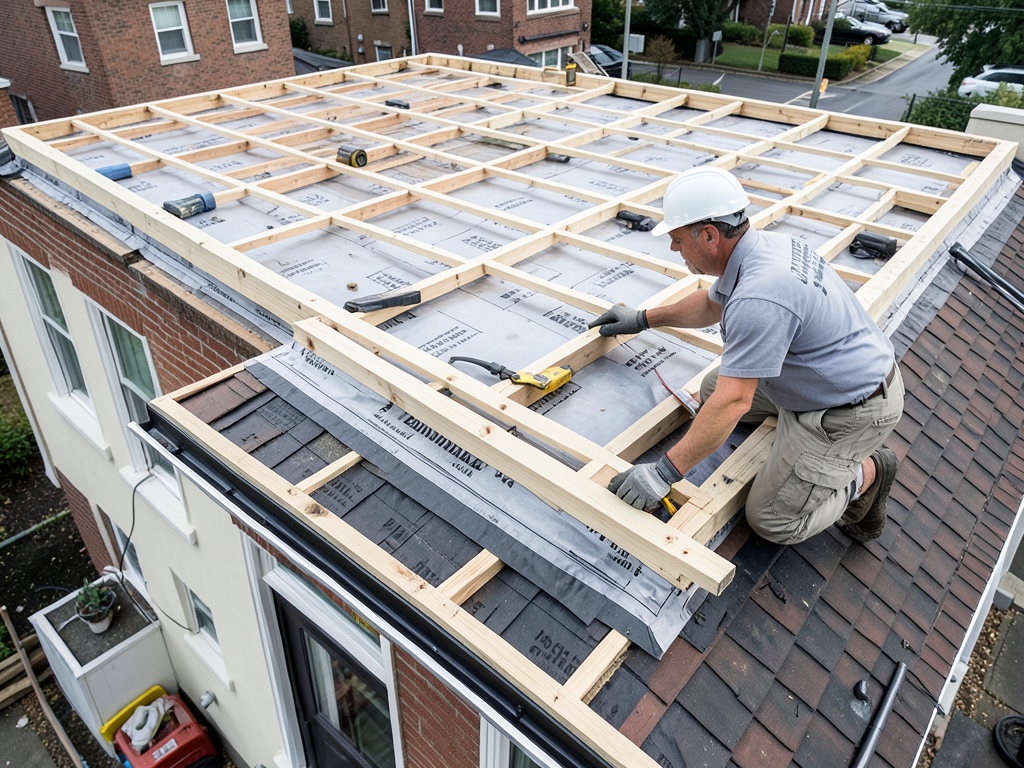
Adding a Roof Deck to Your Bloomingdale Rowhouse (What You Need to Know First)
Thinking about adding a roof deck to your Bloomingdale rowhouse can feel exciting yet overwhelming. You imagine summer evenings with skyline views, but you also wonder about the structural challenges, permit requirements, and historic district restrictions unique to DC. This guide breaks down exactly what you need to know before you start building, so you can move forward with confidence and avoid costly mistakes. DC Department of Buildings permit information.
Understanding Bloomingdale’s Unique Building Environment
Bloomingdale sits in DC’s Northwest quadrant, where rowhouses built in the early 1900s dominate the streetscape. These homes often feature flat or low-slope roofs designed for the city’s climate and urban density. Before you even think about materials or design, you need to understand the structural and regulatory realities of your property. DC Historic Preservation Office guidelines.
Most Bloomingdale rowhouses were built with roof loads calculated for snow and rain, not for the additional weight of a deck, furniture, and people. A typical roof deck adds 50 to 100 pounds per square foot of live load, which can exceed the original design capacity. That means you will likely need a structural engineer to assess your roof’s ability to support the new load. Why Your Capitol Hill Rowhouse Needs a Specialized Flat Roof System.
Beyond structure, DC’s building codes and historic preservation rules create another layer of complexity. If your home sits within a historic district, any visible changes to the roofline or exterior must be reviewed by the Historic Preservation Office. Even small details like railing height, material choices, and color can trigger review and delay your project. Navigating Historic Preservation Roofing Rules in Dupont Circle.
Structural Considerations You Cannot Ignore
Before you hire a contractor or buy materials, you need a structural assessment. This is not optional. A licensed structural engineer will inspect your roof framing, check for rot or water damage, and calculate whether your existing joists can handle the added load. If they cannot, you will need to reinforce them, which can add significant cost and time to your project.
Engineers often recommend installing new joists perpendicular to the existing ones, creating a grid that distributes weight more evenly. In some cases, they may suggest adding steel beams or columns to transfer the load directly to the building’s foundation. These changes are invasive but necessary to prevent roof collapse or long-term damage.
Waterproofing is another critical step. Your roof deck will sit directly on top of your existing roof membrane, so you need to protect it from punctures, UV damage, and pooling water. Many contractors use a combination of EPDM or TPO membranes with a protective layer of insulation board and a drainage mat. This system keeps water moving off the roof and prevents leaks into your home below.. Read more about Your Guide to Flat Roof Drainage Solutions for Rowhouses in Brookland.
Permitting and Historic District Rules in Bloomingdale
DC’s Department of Buildings (DOB) requires a building permit for any roof deck addition. The process starts with submitting detailed plans that show the deck’s size, height, materials, and how it connects to the existing structure. If your home is in a historic district, you must also submit to the Historic Preservation Office (HPO) for review.. Read more about Understanding the DC Department of Buildings Permit Process for New Roofs.
Bloomingdale falls within the DC Historic Preservation Overlay, which means any visible changes to the roof must maintain the neighborhood’s architectural character. This often means using materials that match the original building, keeping railings low-profile, and avoiding modern glass or metal features that stand out. The HPO review can take 30 to 60 days, so factor that into your timeline. Metal Roof vs Asphalt Shingles Cost.
Once permits are approved, you must schedule inspections at key stages: after framing, after waterproofing, and after final installation. Skipping inspections can result in fines or forced removal of your deck. Working with a contractor familiar with DC’s permitting process can save you weeks of back-and-forth with the city.. Read more about How to Find a Roofing Company That Handles Historic DC Architecture.
Material Choices for DC’s Climate and Urban Setting
DC’s climate creates specific demands on roof deck materials. Summers bring high humidity and occasional severe thunderstorms, while winters can deliver snow and ice that test the durability of every surface. Your material choice needs to balance aesthetics, weight, and weather resistance. How to Get Your Roof Ready for a DC Winter in Chevy Chase.
Wood remains a popular choice for its natural look and warmth. Ipe, a dense tropical hardwood, resists rot and insects but comes with a high price tag and environmental concerns. Cedar and pressure-treated pine cost less but require regular sealing to prevent warping and decay. Composite decking, made from recycled plastic and wood fibers, offers low maintenance and good durability, though it can get hot in direct sun. The Best Flat Roof Maintenance Tips for Petworth Homeowners.
For a more modern look, porcelain pavers provide a sleek surface that resists stains and scratches. These tiles install on adjustable pedestals, allowing for easy access to the roof membrane below. However, porcelain can be slippery when wet, so consider textured finishes or adding outdoor rugs for safety.. Read more about Best Rated Roofers for Modern Home Renovations in the Wharf District.
Weight matters as much as appearance. Every material adds to the total load on your roof. A structural engineer can help you compare options and choose a combination that meets your design goals without overloading the structure.
Design and Layout for Urban Living
Space is at a premium in Bloomingdale, so your roof deck design should maximize every square foot. Consider dividing the area into zones: a dining space, a lounge area, and perhaps a small garden or grill station. Built-in benches with storage underneath can save space and provide seating without adding bulky furniture.. Read more about Why LeDroit Park Homeowners Should Check Their Chimney Flashing Every Spring.
Railing choices affect both safety and aesthetics. DC code requires railings at least 36 inches high for residential decks, but in historic districts, you may need to use materials and styles that blend with the neighborhood. Cable railings offer a modern, open feel but may not pass historic review. Wood or metal railings with simple balusters often work best.
Lighting extends the usability of your deck into the evening. Low-voltage LED fixtures mounted on posts or under railings provide safe illumination without overwhelming the space. Solar-powered lights can work if your roof gets enough sun, but hardwired systems offer more reliability.. Read more about TPO vs EPDM Flat Roofing Systems for Mixed Use Buildings on H Street.
Privacy can be a concern in dense urban areas. Consider adding a trellis with climbing plants, outdoor curtains, or frosted glass panels to create a sense of enclosure without blocking views entirely.
Cost Factors and Budgeting for Your Roof Deck
Roof deck costs vary widely based on size, materials, and structural needs. A basic deck with pressure-treated wood and no major structural changes might start around $15,000 to $20,000. If you need joist reinforcement, waterproofing upgrades, or high-end materials like Ipe or porcelain, costs can climb to $30,000 or more.. Read more about Copper Roofing Accents for Kalorama Estates and Why They Are Worth the Investment.
Permitting fees in DC range from $500 to $2,000 depending on the project scope. Structural engineering reports add another $1,000 to $2,500. If your home is in a historic district, HPO review may require additional drawings or materials samples, adding time and expense.
Maintenance costs should also factor into your budget. Wood decks need annual cleaning and sealing, while composite and porcelain surfaces require less upkeep but may still need occasional washing. Plan for these ongoing costs to protect your investment over time.. Read more about Going Green with a Vegetative Roof System in the Shaw Neighborhood.
Common Mistakes to Avoid
Skipping the structural assessment is the most dangerous mistake you can make. Even if your roof looks solid, hidden damage or undersized joists can lead to catastrophic failure once the deck is loaded. Always hire a structural engineer before starting construction.
Underestimating permit timelines causes another common problem. DC’s permitting process can take 8 to 12 weeks, and historic district reviews often add more time. Starting construction without permits can result in stop-work orders and fines.
Choosing materials based only on appearance can backfire. Some woods warp or crack in DC’s humidity, while certain composites get dangerously hot in summer sun. Always consider climate performance, not just looks.
Ignoring waterproofing invites leaks that can damage your home’s interior. Even small punctures in the roof membrane can let water seep into your ceiling or walls. Invest in quality waterproofing and inspect it regularly.
Finding the Right Contractor for Your Roof Deck
Not all contractors have experience with roof decks, especially in historic DC neighborhoods. Look for a company that understands both structural engineering requirements and historic preservation rules. Ask for examples of past roof deck projects in Bloomingdale or similar areas.
Verify that your contractor carries proper insurance and holds a DC Basic Business License. Ask if they handle permitting and inspections as part of their service. A good contractor will guide you through the entire process, from structural assessment to final inspection.
Communication matters as much as technical skill. Your contractor should explain each step, provide a clear timeline, and keep you informed of any issues that arise. Avoid anyone who promises unrealistic timelines or refuses to pull permits.
Enjoying Your New Roof Deck
Once your deck is complete, you will have a private outdoor space that enhances your home’s value and your quality of life. Whether you use it for morning coffee, evening gatherings, or simply relaxing under the stars, your roof deck becomes an extension of your living space.
Regular maintenance keeps your deck safe and attractive. Sweep debris off the surface, clean spills promptly, and inspect the waterproofing at least once a year. If you notice any sagging, cracks, or water stains inside your home, call a professional immediately.
Your roof deck also offers a unique perspective on Bloomingdale’s historic streetscape and DC’s skyline. With the right planning and execution, you will enjoy this space for years to come, knowing it was built to last in the heart of the city.
Frequently Asked Questions
How long does it take to build a roof deck in Bloomingdale?
Most roof deck projects take 6 to 12 weeks from start to finish, including permitting, structural work, and construction. Historic district reviews can add 4 to 8 weeks to the timeline.
Do I need a permit for a roof deck in DC?
Yes. DC requires a building permit for any roof deck addition. If your home is in a historic district, you must also get approval from the Historic Preservation Office.
Can I install a roof deck on any rowhouse?
Not all rowhouses can support a deck. You need a structural engineer to assess your roof’s load capacity before proceeding. Some homes may require joist reinforcement or other upgrades.. Read more about Why Your Park View Rowhouse Might Have a Leak Even if the Shingles Look Fine.
What is the best material for a DC roof deck?
The best material depends on your budget, style, and maintenance preferences. Ipe wood offers durability but costs more. Composite decking provides low maintenance. Porcelain pavers give a modern look but can be slippery when wet.
How much does a roof deck cost in Bloomingdale?
Costs range from $15,000 to $30,000 or more, depending on size, materials, and structural needs. Historic district requirements may add to the cost.
Will a roof deck increase my home’s value?
Yes. A well-designed roof deck can increase your home’s value by 5% to 10%, especially in urban areas where outdoor space is limited.
How do I maintain my roof deck?
Clean the surface regularly, inspect the waterproofing annually, and address any signs of damage promptly. Wood decks need sealing every 1 to 2 years, while composite and porcelain require less upkeep.
Can I add a pergola or shade structure to my roof deck?
Yes, but any additional structures must be included in your permit plans and meet DC building codes. In historic districts, pergolas may require HPO approval.
What if I notice a leak after installing my deck?
Call a professional immediately. Even small leaks can cause significant damage if left unaddressed. Regular inspections help catch problems early.
Should I hire a designer for my roof deck?
A designer can help maximize your space and ensure your deck complements your home’s style. If you have a clear vision and simple needs, a skilled contractor may handle the design as well.
Next Steps for Your Roof Deck Project
Adding a roof deck to your Bloomingdale rowhouse is a significant investment that requires careful planning and expert execution. Start by scheduling a structural assessment with a licensed engineer. Then work with a contractor experienced in DC’s permitting and historic preservation rules. With the right team and preparation, you will soon enjoy a beautiful, safe, and code-compliant outdoor space that enhances your home and lifestyle.
Ready to get started? Call (771) 240-3300 today to schedule your structural assessment and take the first step toward your dream roof deck.
Don’t wait until next summer to enjoy your outdoor space. Pick up the phone and call (771) 240-3300 before the next storm hits and causes damage to your existing roof. Our team is ready to help you build safely and beautifully.
You may also find this helpful. How Attic Ventilation Impacts Your Energy Bill in Brightwood.
You may also find this helpful. Skylight Repair vs Replacement for Logan Circle Penthouse Owners.
You may also find this helpful. Who is Responsible for Roof Repairs in a Shared DC Condo or Co-op Building?.
{
“@context”: “https://schema.org”,
“@type”: “BlogPosting”,
“headline”: “Adding a Roof Deck to Your Bloomingdale Rowhouse (What You Need to Know First)”,
“description”: “Planning a roof deck in Bloomingdale DC? Learn about structural loads, permits, materials, and historic district rules before you build. Call (771) 240-3300.”,
“wordCount”: 2136,
“datePublished”: “2026-03-06T10:01:00.000Z”,
“dateModified”: “2026-03-06T10:01:00.000Z”,
“inLanguage”: “en-US”,
“mainEntityOfPage”: {
“@type”: “WebPage”,
“@id”: “https://aceroofingwashingtondc.com”
},
“publisher”: {
“@type”: “LocalBusiness”,
“name”: “Ace Roofing Washington DC”,
“url”: “https://aceroofingwashingtondc.com”
},
“author”: {
“@type”: “Organization”,
“name”: “Ace Roofing Washington DC”,
“url”: “https://aceroofingwashingtondc.com”
},
“image”: {
“@type”: “ImageObject”,
“url”: “https://aceroofingwashingtondc.com/wp-content/uploads/2026/03/adding-a-roof-deck-to-your-bloomingdale-rowhouse-w-1.png”
}
}
{
“@context”: “https://schema.org”,
“@type”: “RoofingContractor”,
“name”: “Ace Roofing Washington DC”,
“url”: “https://aceroofingwashingtondc.com”,
“address”: {
“@type”: “PostalAddress”,
“addressLocality”: “Washington DC”
},
“areaServed”: {
“@type”: “City”,
“name”: “Washington DC”
}
}
{
“@context”: “https://schema.org”,
“@type”: “FAQPage”,
“mainEntity”: [
{
“@type”: “Question”,
“name”: “How long does it take to build a roof deck in Bloomingdale?”,
“acceptedAnswer”: {
“@type”: “Answer”,
“text”: “Most roof deck projects take 6 to 12 weeks from start to finish, including permitting, structural work, and construction. Historic district reviews can add 4 to 8 weeks to the timeline.”
}
},
{
“@type”: “Question”,
“name”: “Do I need a permit for a roof deck in DC?”,
“acceptedAnswer”: {
“@type”: “Answer”,
“text”: “Yes. DC requires a building permit for any roof deck addition. If your home is in a historic district, you must also get approval from the Historic Preservation Office.”
}
},
{
“@type”: “Question”,
“name”: “Can I install a roof deck on any rowhouse?”,
“acceptedAnswer”: {
“@type”: “Answer”,
“text”: “Not all rowhouses can support a deck. You need a structural engineer to assess your roof’s load capacity before proceeding. Some homes may require joist reinforcement or other upgrades.”
}
},
{
“@type”: “Question”,
“name”: “What is the best material for a DC roof deck?”,
“acceptedAnswer”: {
“@type”: “Answer”,
“text”: “The best material depends on your budget, style, and maintenance preferences. Ipe wood offers durability but costs more. Composite decking provides low maintenance. Porcelain pavers give a modern look but can be slippery when wet.”
}
},
{
“@type”: “Question”,
“name”: “How much does a roof deck cost in Bloomingdale?”,
“acceptedAnswer”: {
“@type”: “Answer”,
“text”: “Costs range from $15,000 to $30,000 or more, depending on size, materials, and structural needs. Historic district requirements may add to the cost.”
}
},
{
“@type”: “Question”,
“name”: “Will a roof deck increase my home’s value?”,
“acceptedAnswer”: {
“@type”: “Answer”,
“text”: “Yes. A well-designed roof deck can increase your home’s value by 5% to 10%, especially in urban areas where outdoor space is limited.”
}
},
{
“@type”: “Question”,
“name”: “How do I maintain my roof deck?”,
“acceptedAnswer”: {
“@type”: “Answer”,
“text”: “Clean the surface regularly, inspect the waterproofing annually, and address any signs of damage promptly. Wood decks need sealing every 1 to 2 years, while composite and porcelain require less upkeep.”
}
},
{
“@type”: “Question”,
“name”: “Can I add a pergola or shade structure to my roof deck?”,
“acceptedAnswer”: {
“@type”: “Answer”,
“text”: “Yes, but any additional structures must be included in your permit plans and meet DC building codes. In historic districts, pergolas may require HPO approval.”
}
},
{
“@type”: “Question”,
“name”: “What if I notice a leak after installing my deck?”,
“acceptedAnswer”: {
“@type”: “Answer”,
“text”: “Call a professional immediately. Even small leaks can cause significant damage if left unaddressed. Regular inspections help catch problems early.”
}
},
{
“@type”: “Question”,
“name”: “Should I hire a designer for my roof deck?”,
“acceptedAnswer”: {
“@type”: “Answer”,
“text”: “A designer can help maximize your space and ensure your deck complements your home’s style. If you have a clear vision and simple needs, a skilled contractor may handle the design as well.”
}
}
]
}
{
“@context”: “https://schema.org”,
“@type”: “BreadcrumbList”,
“itemListElement”: [
{
“@type”: “ListItem”,
“position”: 1,
“name”: “Home”,
“item”: “https://aceroofingwashingtondc.com”
},
{
“@type”: “ListItem”,
“position”: 2,
“name”: “Blog”,
“item”: “https://aceroofingwashingtondc.com/blog”
},
{
“@type”: “ListItem”,
“position”: 3,
“name”: “Adding a Roof Deck to Your Bloomingdale Rowhouse (What You Need to Know First)”
}
]
}
{
“@context”: “https://schema.org”,
“@type”: “Service”,
“serviceType”: “Roofing”,
“provider”: {
“@type”: “LocalBusiness”,
“name”: “Ace Roofing Washington DC”,
“url”: “https://aceroofingwashingtondc.com”
},
“areaServed”: {
“@type”: “City”,
“name”: “Washington DC”
},
“description”: “Planning a roof deck in Bloomingdale DC? Learn about structural loads, permits, materials, and historic district rules before you build. Call (771) 240-3300.”
}