
How to Find a Roofing Company That Handles Historic DC Architecture
Washington DC’s historic rowhouses and Victorian homes need roofing contractors who understand preservation guidelines and local building requirements. You need someone who knows how to work with the Historic Preservation Review Board and source materials that match your home’s original character. DC Historic Preservation Review Board.
DC’s humid subtropical climate creates unique challenges for historic roofing. Summer heat and winter freeze-thaw cycles can destroy improperly installed materials. A qualified contractor understands these local conditions and recommends appropriate solutions. DC Municipal Regulations.
Understanding DC’s Historic Preservation Requirements
The Historic Preservation Review Board requires approval for exterior modifications in designated historic districts. This includes roof replacements, material changes, and structural alterations. Your contractor must know how to prepare proper documentation and work with preservation officers. The Real Cost of a Roof Replacement for Washington DC Homeowners.
DC contains 55 historic districts with varying requirements. Georgetown’s Federal-style architecture demands different approaches than Capitol Hill’s Victorian rowhouses or Dupont Circle’s Beaux-Arts mansions. A knowledgeable contractor understands these distinctions and recommends appropriate materials. DC Preservation League.
Credentials That Matter for Historic Work
Look beyond basic licensing when choosing a roofing contractor. GAF Master Elite certification shows advanced training but historic preservation requires additional expertise. Ask for examples of projects in your neighborhood’s historic district. Navigating Historic Preservation Roofing Rules in Dupont Circle.
Request before-and-after photos showing their ability to maintain architectural integrity while upgrading weather protection. A legitimate historic roofing specialist will have documented experience with similar homes in your area.
Material Knowledge for DC’s Historic Homes
Historic DC homes often feature slate, copper, or original wood shakes. Modern asphalt shingles might seem like an upgrade but can destroy the character of a Victorian rowhouse. A qualified contractor should explain the pros and cons of each material while respecting preservation guidelines. Why Your Capitol Hill Rowhouse Needs a Specialized Flat Roof System.
Slate remains the gold standard for many historic properties. Its natural appearance, longevity, and fire resistance make it ideal for Victorian and Federal-style homes. However, genuine slate requires specialized installation skills and costs significantly more than modern alternatives.
Copper roofing and gutters offer another authentic option particularly for homes built before 1920. Copper develops a distinctive patina that many preservation boards prefer over painted materials. The initial investment is high but copper can last 50-100 years with proper maintenance. The Best Flat Roof Maintenance Tips for Petworth Homeowners.
Modern synthetic materials designed to mimic historic options provide a middle ground. These products can offer better durability and lower cost while maintaining visual character. However not all synthetics meet HPRB standards so your contractor needs to know which products are acceptable.
DC Building Code Requirements
DC Municipal Regulations Section 12A covers roofing requirements for historic properties. The code requires materials that match the character of the historic district while meeting modern safety standards. Your contractor should understand these specific requirements beyond basic roofing codes.
DC’s building code also addresses lead paint concerns in older homes. Homes built before 1978 may contain lead-based paint requiring special handling during roofing projects. A qualified contractor knows these regulations and follows proper safety protocols.
Red Flags to Watch For
Be wary of contractors who promise quick HPRB approvals or claim they can bypass preservation rules. These shortcuts often lead to fines forced removal of non-compliant work and damaged relationships with preservation boards.
Watch for vague references to historic experience without specific examples. Ask for addresses of completed projects in your neighborhood. A reputable contractor will be happy to show you their work and explain how they handled preservation requirements.
Be cautious of companies that push modern materials without discussing historic compatibility. While some upgrades might be appropriate a contractor who immediately suggests tearing off original slate or copper may not understand preservation principles.
Diagnostic Tools and Inspection Process
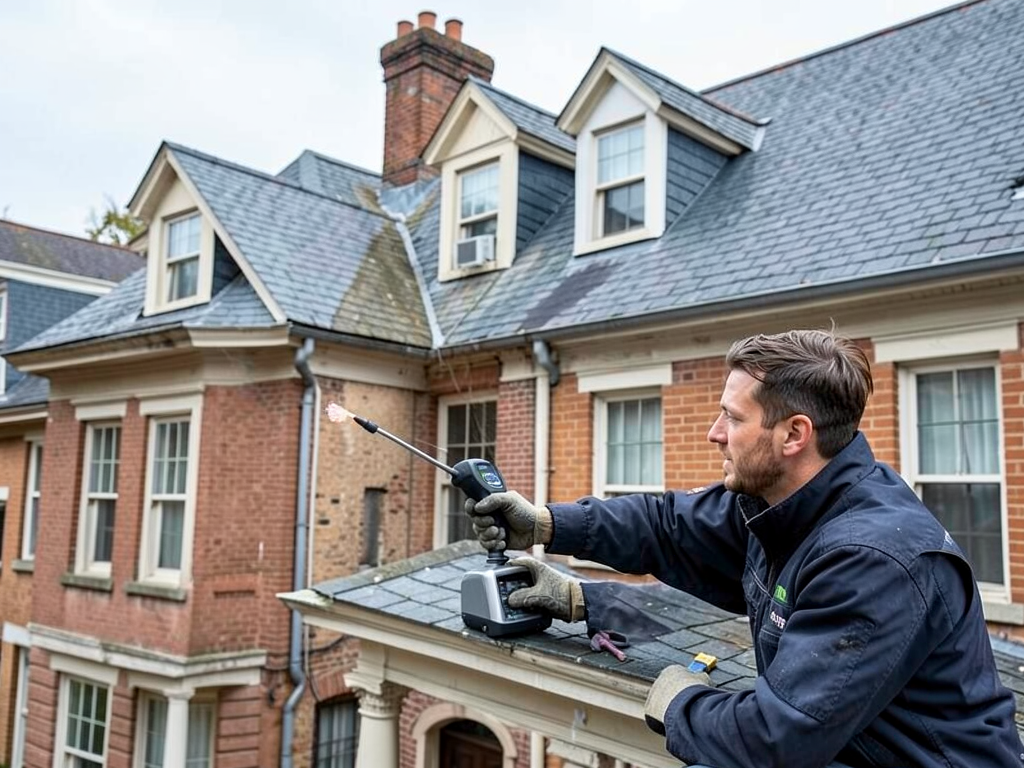
A thorough inspection is crucial for historic homes. Your contractor should examine not just the visible roof surface but also the underlying structure attic ventilation and any signs of water damage. Historic homes often have hidden issues like deteriorated sheathing or outdated electrical wiring.
Look for contractors who use diagnostic tools like moisture meters and thermal imaging. These technologies can detect problems invisible to the naked eye such as trapped moisture in historic wood shakes or inadequate insulation in older attics. A contractor who relies solely on visual inspection might miss critical issues.. Read more about The Best Way to Preserve Cedar Shake Roofing in the Kent Neighborhood.
The inspection should include a detailed report with photos and specific recommendations. This documentation becomes valuable when working with HPRB and can help you understand the scope of necessary repairs.
Project Timeline and Process
Historic roofing projects typically take longer than standard replacements. The HPRB approval process alone can require 4-8 weeks depending on your district and project scope. Material sourcing for authentic slate or copper can add additional time.
DC’s summer thunderstorms and winter snow can delay exterior work. A realistic contractor will build weather contingencies into their timeline rather than promising fixed completion dates that ignore local climate patterns. How to Get Your Roof Ready for a DC Winter in Chevy Chase.
Communication throughout the project is essential. Your contractor should provide regular updates on HPRB status material delivery and any schedule adjustments. They should also have a clear point of contact for questions and concerns during the project.
Finding Local Experts
Start your search with the DC Department of Consumer and Regulatory Affairs license lookup. Verify that potential contractors hold valid DC licenses and insurance. Then check their ratings with the Better Business Bureau and read reviews specifically mentioning historic work.
Local preservation organizations can provide referrals. The DC Preservation League and neighborhood historical societies often maintain lists of contractors experienced with historic properties. These recommendations carry weight because they come from people who understand the unique requirements of historic preservation.
Word-of-mouth remains powerful in DC’s historic neighborhoods. Talk to neighbors who’ve completed similar projects. They can share firsthand experiences about which contractors delivered quality work and navigated the preservation process successfully.
Making Your Final Decision
After gathering information and quotes evaluate contractors based on more than just price. Consider their communication style willingness to explain technical details and understanding of your specific preservation requirements. The right contractor should make you feel confident about their ability to handle both the technical and regulatory aspects of your project.
Trust your instincts about professionalism and reliability. A contractor who shows up on time for meetings provides detailed written estimates and demonstrates genuine interest in your home’s historic character is more likely to deliver quality work than one who seems rushed or dismissive of preservation concerns.
Remember that historic roofing is an investment in your home’s future. The right contractor will help preserve not just your roof but the architectural integrity that makes your DC home special. This expertise often justifies higher initial costs through better quality fewer problems and preserved property value.
Key Questions to Ask Before Hiring
When interviewing roofing companies ask specific questions that reveal their historic expertise. Have they worked in your neighborhood’s historic district? Can they provide references from similar projects? Do they understand the specific challenges of your home’s architectural style?
Ask about their familiarity with DC building codes beyond basic roofing requirements. The District has specific regulations for historic properties that go beyond standard construction permits. Your contractor should know when to involve preservation architects how to handle lead paint concerns and what documentation HPRB requires.
Insurance coverage becomes even more critical with historic homes. Make sure your contractor carries adequate liability insurance and workers’ compensation. Ask about their warranty policies historic roofing work often requires longer warranties because the materials and craftsmanship are more specialized and expensive to replace.
Local Climate Considerations
DC’s humid subtropical climate creates specific challenges for historic roofing. Summer humidity promotes algae growth on certain roofing materials while freeze-thaw cycles can damage improperly installed flashing. Your contractor should recommend materials that balance historic accuracy with modern durability.
Neighborhood-specific challenges matter too. Capitol Hill’s narrow alleys make material delivery and debris removal difficult. Georgetown’s steep hills affect ladder safety and equipment placement. A contractor familiar with these logistical issues will plan accordingly preventing delays and protecting your property.
Frequently Asked Questions
Do I need HPRB approval for roof replacement in a historic district?
Yes most exterior modifications including roof replacement require HPRB approval in DC’s historic districts. The process typically takes 4-8 weeks and requires detailed documentation of your proposed work. Some minor repairs might qualify for staff-level approval rather than full board review.
How much more does historic roofing cost compared to standard replacement?
Historic roofing typically costs 20-50% more than standard replacement due to specialized materials skilled labor and preservation compliance requirements. However this investment protects your home’s character and can increase property value in historic neighborhoods.
Can I use modern materials that look historic?
Many modern synthetic materials designed to mimic slate or wood shakes are acceptable in DC’s historic districts but approval varies by specific product and district. Your contractor should verify HPRB acceptance before specifying any materials.
How long does a historic roof replacement take?
Historic roof replacement typically requires 2-4 weeks for installation plus 4-8 weeks for HPRB approval. Weather delays and material sourcing can extend timelines. A realistic contractor will build these factors into their schedule.
What happens if I install non-compliant roofing materials?
Installing non-compliant materials in a historic district can result in HPRB fines mandatory removal of the work and potential legal action. You might also face difficulties selling your home if unpermitted modifications are discovered during title search.
Ready to protect your historic DC home with expert roofing services? Call (771) 240-3300 today to schedule your consultation. Our team specializes in historic preservation and understands exactly what your Capitol Hill rowhouse or Georgetown Victorian needs to stay beautiful and protected for generations to come.
You may also find this helpful. Roof Waterproofing and Coating Solutions for Downtown DC Businesses.
You may also find this helpful. Maintenance Tips for Mansard Roofs in the Mount Vernon Square District.
{
“@context”: “https://schema.org”,
“@type”: “BlogPosting”,
“headline”: “How to Find a Roofing Company That Handles Historic DC Architecture”,
“description”: “Find expert roofing contractors for DC’s historic homes. Learn about HPRB requirements, preservation guidelines, and materials for Capitol Hill, Georgetown, and more.”,
“wordCount”: 1647,
“datePublished”: “2026-03-02T11:07:00.000Z”,
“dateModified”: “2026-03-02T11:07:00.000Z”,
“inLanguage”: “en-US”,
“mainEntityOfPage”: {
“@type”: “WebPage”,
“@id”: “https://aceroofingwashingtondc.com”
},
“publisher”: {
“@type”: “LocalBusiness”,
“name”: “Ace Roofing Washington DC”,
“url”: “https://aceroofingwashingtondc.com”
},
“author”: {
“@type”: “Organization”,
“name”: “Ace Roofing Washington DC”,
“url”: “https://aceroofingwashingtondc.com”
},
“image”: {
“@type”: “ImageObject”,
“url”: “https://aceroofingwashingtondc.com/wp-content/uploads/2026/03/how-to-find-a-roofing-company-that-handles-histori-1.png”
}
}
{
“@context”: “https://schema.org”,
“@type”: “RoofingContractor”,
“name”: “Ace Roofing Washington DC”,
“url”: “https://aceroofingwashingtondc.com”,
“address”: {
“@type”: “PostalAddress”,
“addressLocality”: “Washington DC”
},
“areaServed”: {
“@type”: “City”,
“name”: “Washington DC”
}
}
{
“@context”: “https://schema.org”,
“@type”: “FAQPage”,
“mainEntity”: [
{
“@type”: “Question”,
“name”: “Do I need HPRB approval for roof replacement in a historic district?”,
“acceptedAnswer”: {
“@type”: “Answer”,
“text”: “Yes most exterior modifications including roof replacement require HPRB approval in DC’s historic districts. The process typically takes 4-8 weeks and requires detailed documentation of your proposed work. Some minor repairs might qualify for staff-level approval rather than full board review.”
}
},
{
“@type”: “Question”,
“name”: “How much more does historic roofing cost compared to standard replacement?”,
“acceptedAnswer”: {
“@type”: “Answer”,
“text”: “Historic roofing typically costs 20-50% more than standard replacement due to specialized materials skilled labor and preservation compliance requirements. However this investment protects your home’s character and can increase property value in historic neighborhoods.”
}
},
{
“@type”: “Question”,
“name”: “Can I use modern materials that look historic?”,
“acceptedAnswer”: {
“@type”: “Answer”,
“text”: “Many modern synthetic materials designed to mimic slate or wood shakes are acceptable in DC’s historic districts but approval varies by specific product and district. Your contractor should verify HPRB acceptance before specifying any materials.”
}
},
{
“@type”: “Question”,
“name”: “How long does a historic roof replacement take?”,
“acceptedAnswer”: {
“@type”: “Answer”,
“text”: “Historic roof replacement typically requires 2-4 weeks for installation plus 4-8 weeks for HPRB approval. Weather delays and material sourcing can extend timelines. A realistic contractor will build these factors into their schedule.”
}
},
{
“@type”: “Question”,
“name”: “What happens if I install non-compliant roofing materials?”,
“acceptedAnswer”: {
“@type”: “Answer”,
“text”: “Installing non-compliant materials in a historic district can result in HPRB fines mandatory removal of the work and potential legal action. You might also face difficulties selling your home if unpermitted modifications are discovered during title search.”
}
}
]
}
{
“@context”: “https://schema.org”,
“@type”: “BreadcrumbList”,
“itemListElement”: [
{
“@type”: “ListItem”,
“position”: 1,
“name”: “Home”,
“item”: “https://aceroofingwashingtondc.com”
},
{
“@type”: “ListItem”,
“position”: 2,
“name”: “Blog”,
“item”: “https://aceroofingwashingtondc.com/blog”
},
{
“@type”: “ListItem”,
“position”: 3,
“name”: “How to Find a Roofing Company That Handles Historic DC Architecture”
}
]
}
{
“@context”: “https://schema.org”,
“@type”: “Service”,
“serviceType”: “Roofing”,
“provider”: {
“@type”: “LocalBusiness”,
“name”: “Ace Roofing Washington DC”,
“url”: “https://aceroofingwashingtondc.com”
},
“areaServed”: {
“@type”: “City”,
“name”: “Washington DC”
},
“description”: “Find expert roofing contractors for DC’s historic homes. Learn about HPRB requirements, preservation guidelines, and materials for Capitol Hill, Georgetown, and more.”
}