
Going Green with a Vegetative Roof System in the Shaw Neighborhood
Vegetative roof systems offer Shaw property owners a sustainable solution that reduces energy costs, manages stormwater, and creates green space in the heart of Washington DC. These living roofs combine waterproofing membranes with growing medium and plants to transform flat or low-slope roofs into functional ecosystems. For Shaw’s historic rowhouses and modern developments along 7th Street, green roofs provide both environmental benefits and increased property value while helping meet DC’s strict stormwater management requirements. Green Roofs for Healthy Cities.
The District’s Department of Energy & Environment (DOEE) offers substantial incentives through the RiverSmart Rooftops program, making now an ideal time to install a vegetative system. With Shaw’s dense urban environment and aging infrastructure, these systems address multiple challenges including heat island effects, combined sewer overflows, and the need for additional green space in this vibrant neighborhood. DOEE RiverSmart Rooftops program.
Understanding Vegetative Roof Systems for DC Properties
Vegetative roof systems fall into two main categories based on their depth and maintenance requirements. Extensive systems use shallow growing medium (2-6 inches) planted with hardy sedums and drought-resistant species that require minimal irrigation and care. These lightweight systems add 15-25 pounds per square foot when saturated and work well for retrofitting older Shaw buildings with existing structural limitations. The Best Flat Roof Maintenance Tips for Petworth Homeowners.
Intensive systems feature deeper soil profiles (6-12 inches or more) supporting diverse plant selections including perennials, shrubs, and even small trees. These rooftop gardens create usable outdoor space but add 35-50 pounds per square foot when fully saturated. The weight difference matters significantly in Shaw’s historic district where many buildings were constructed before modern load-bearing standards. Navigating Historic Preservation Roofing Rules in Dupont Circle.
The growing medium itself consists of engineered soil blends designed for proper drainage and plant health. These mixes typically contain 70-80% inorganic materials like expanded shale or slate combined with 20-30% organic matter. The inorganic components provide structural stability and prevent compaction while the organic portion supplies nutrients for plant growth.. Read more about How Poor Roof Drainage Can Ruin Your Landscaping in Cathedral Heights.
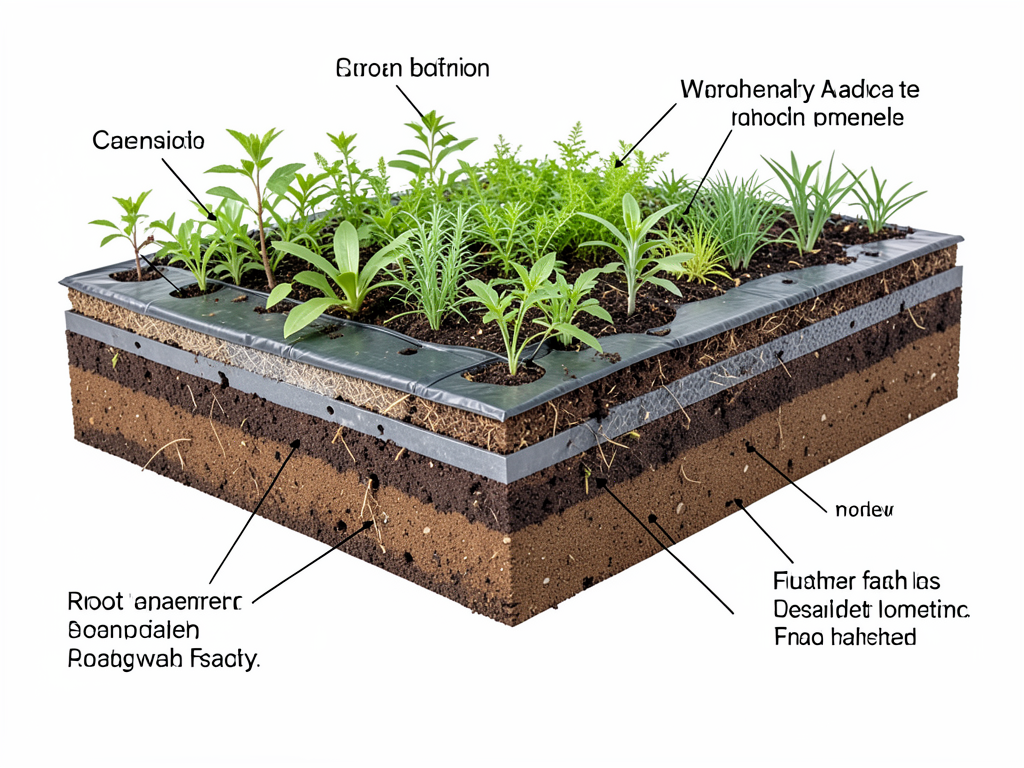
Diagram showing cross-section of a vegetative roof system including waterproofing membrane, root barrier, drainage layer, filter fabric, growing medium, and plant layers
DC-Specific Benefits and Environmental Impact
Washington DC’s urban heat island effect makes vegetative roofs particularly valuable in neighborhoods like Shaw. The city’s dense development and dark surfaces can create temperature differences of 10-15°F compared to surrounding rural areas. Green roofs reduce this heat gain by providing natural insulation and through evapotranspiration, where plants release moisture that cools the surrounding air. The Real Cost of a Roof Replacement for Washington DC Homeowners.
Stormwater management represents another critical benefit for Shaw properties. The District’s combined sewer system struggles during heavy rainfall events, causing overflows into the Anacostia and Potomac rivers. A typical extensive green roof can retain 60-80% of annual rainfall, reducing peak flow rates by 50-90% during storm events. This retention capacity helps properties comply with DC’s stormwater retention requirements under the DOEE’s Municipal Separate Storm Sewer System (MS4) permit.
Energy savings vary based on roof orientation and building characteristics, but vegetative systems typically reduce cooling costs by 20-30% during summer months. The growing medium and plant layer provide additional insulation, reducing heat transfer through the roof assembly. For Shaw’s older buildings with limited wall insulation, this roof-level thermal barrier can significantly improve overall energy efficiency.. Read more about TPO vs EPDM Flat Roofing Systems for Mixed Use Buildings on H Street.
DC Financial Incentives and Rebate Programs
The DOEE RiverSmart Rooftops program offers rebates up to $15 per square foot for green roof installations, with maximum awards of $100,000 per property. This program specifically targets stormwater retention and requires applicants to demonstrate how their vegetative roof will reduce runoff volume and rate. Properties in the Anacostia River watershed may qualify for enhanced incentives due to the watershed’s restoration goals.
Stormwater Retention Credits (SRCs) provide another financial benefit for DC property owners. These credits represent the stormwater management capacity of installed systems and can be sold through the District’s trading program. A typical 5,000-square-foot extensive green roof might generate 2-3 SRCs annually, worth $1,500-2,000 based on current market rates. The credits continue generating revenue for the system’s lifespan, typically 40+ years with proper maintenance.
Federal tax incentives complement local programs. The Investment Tax Credit (ITC) currently allows property owners to deduct 30% of green roof installation costs from federal taxes. Combined with accelerated depreciation schedules, these federal benefits can reduce the net installation cost by an additional 10-15% beyond local rebates.

Photo of a completed vegetative roof installation showing diverse plantings, drainage systems, and rooftop accessibility features in a Washington DC setting
Installation Process and Technical Requirements
Successful vegetative roof installation begins with a comprehensive structural assessment. The DC Building Code requires engineered calculations confirming the existing roof structure can support the additional load, including factors for saturated soil weight, snow loads, and wind uplift. For Shaw’s historic properties, this often means reinforcing roof joists or adding support columns to meet current load requirements.
Waterproofing represents the critical first installation layer. Modern vegetative systems use reinforced PVC or TPO membranes with root barriers to prevent plant growth from compromising the waterproofing. These membranes must meet ASTM D6878 standards for puncture resistance and chemical compatibility with growing medium components. The installation includes flood testing to verify watertight integrity before proceeding with additional layers.
The drainage layer follows waterproofing and consists of lightweight aggregate or plastic drainage panels that create air channels for water movement. This layer must maintain 90% void space to prevent waterlogging while providing sufficient water retention for plant health during dry periods. Filter fabric separates the drainage layer from growing medium, preventing soil particles from clogging the drainage system.
Plant selection focuses on species adapted to Zone 7b conditions and tolerant of rooftop environmental stresses. Sedum species dominate extensive systems due to their drought resistance, shallow root systems, and ability to thrive in minimal soil depths. Native perennials like purple coneflower and black-eyed Susan work well in intensive systems, providing seasonal color while attracting pollinators.
- Structural Assessment
Engineer evaluates existing roof structure for load-bearing capacity and identifies reinforcement needs based on soil depth and plant selection requirements.
- Waterproofing Installation
Apply reinforced membrane system with root barrier, then conduct flood testing to verify watertight integrity before proceeding.
- Drainage Layer Application
Install drainage panels or aggregate layer with filter fabric to create proper water movement and retention zones.
- Growing Medium Placement
Spread engineered soil mix to specified depth, ensuring uniform coverage and proper compaction for plant establishment.
- Planting and Establishment
Install selected plant species and provide initial irrigation and care until plants establish root systems and begin active growth.
Maintenance Requirements for Shaw Properties
Vegetative roofs require seasonal maintenance to ensure long-term performance and plant health. Spring maintenance includes removing winter debris, checking drainage outlets, and applying slow-release fertilizers to support new growth. This timing aligns with Shaw’s humid continental climate, where early spring moisture supports rapid plant establishment before summer heat arrives. How to Get Your Roof Ready for a DC Winter in Chevy Chase.
Summer maintenance focuses on irrigation system checks and weed control. While sedum systems require minimal water once established, extended dry periods may necessitate supplemental irrigation. The DC region’s summer thunderstorms can overwhelm drainage systems if outlets become clogged with plant debris, making regular outlet inspection critical.
Fall maintenance involves removing fallen leaves that can create anaerobic conditions in growing medium and trimming back perennials to prevent wind damage. This preparation helps systems withstand Shaw’s occasional winter storms and prevents ice buildup that could damage plants or compromise drainage.
Annual inspections should verify membrane integrity, check for signs of plant stress or disease, and confirm that all access points remain clear. The DC Historic Preservation Office may require documentation of these inspections for properties in historic districts, ensuring the vegetative system maintains both functional and aesthetic standards.
Navigating DC Building Codes and Permits
Vegetative roof installations in Washington DC require permits from both the Department of Buildings (DOB) and DOEE. The DOB permit process includes structural calculations signed by a licensed professional engineer, detailed construction drawings, and compliance documentation for fire safety and accessibility requirements. Projects in historic districts like Shaw must also receive approval from the Historic Preservation Office, which evaluates how the green roof affects the building’s historic character.
The International Building Code (IBC) Section 1505 governs vegetative roof installations, requiring compliance with specific fire resistance ratings, wind uplift calculations, and drainage requirements. For DC’s climate zone, the code mandates minimum insulation values and specific membrane thicknesses to withstand freeze-thaw cycles common in the Mid-Atlantic region.
DOEE’s stormwater management regulations require vegetative systems to meet specific retention volume requirements based on the property’s size and location. The agency uses the Simple Method calculation to determine required storage volume, typically 0.5-1.0 inch of rainfall retention for most residential properties. Systems must demonstrate this capacity through design calculations and on-site testing before final approval.
Electrical and plumbing permits may be necessary for irrigation systems, lighting, or accessibility features. The DC Electrical Code requires GFCI protection for all rooftop electrical installations, and plumbing connections must comply with cross-connection prevention requirements to protect the municipal water supply.
Comparing Vegetative vs Traditional Roofing Options
| Feature | Vegetative Roof | Traditional Asphalt | Traditional Metal |
|---|---|---|---|
| Initial Cost | $20-30/sq ft | $5-8/sq ft | $12-20/sq ft |
| Lifespan | 40-50 years | 15-20 years | 40-70 years |
| Energy Savings | 20-30% cooling | 5-10% cooling | 15-25% cooling |
| Stormwater Retention | 60-80% | 0% | 0% |
| Maintenance | Seasonal | Annual | Annual |
Case Studies in Shaw and Surrounding Areas
Several Shaw properties have successfully implemented vegetative roof systems, demonstrating both feasibility and benefits in this historic neighborhood. The Shay development at 8th and T Streets converted a former parking lot into a mixed-use building featuring a 5,000-square-foot extensive green roof that reduces stormwater runoff by an estimated 150,000 gallons annually while providing outdoor amenity space for residents.
A Victorian rowhouse on 7th Street Northwest showcases how historic properties can accommodate green roofs through careful structural reinforcement. The owners worked with structural engineers to add support columns in the basement, enabling installation of an intensive system with native perennials and a small patio area. The project received approval from the Historic Preservation Office by maintaining the building’s street-facing appearance while transforming the rear roof into functional green space. Why Your Capitol Hill Rowhouse Needs a Specialized Flat Roof System.
The Howard Theatre renovation included a vegetative roof system that helps manage stormwater from the building’s large footprint while providing insulation for the performance spaces below. This project demonstrates how green roofs can integrate with historic renovations, meeting both modern sustainability goals and preservation requirements.
Common Challenges and Solutions
Weight limitations represent the primary challenge for vegetative roof installations in Shaw’s historic district. Many 19th-century buildings were constructed with timber framing designed for snow loads rather than saturated soil weight. Solutions include selective structural reinforcement, using ultra-lightweight growing medium components, or limiting system depth to extensive profiles that minimize load requirements.
Access for maintenance poses another challenge in dense urban environments. Shaw’s narrow alleys and limited parking make material delivery and equipment staging difficult. Successful projects use rooftop cranes for material transport and schedule deliveries during off-peak hours to minimize neighborhood disruption. Some properties establish material storage agreements with neighboring buildings to facilitate staging.
Plant establishment can be problematic in rooftop environments where wind exposure and temperature extremes create harsh growing conditions. Using pre-grown modular systems instead of direct seeding improves initial establishment rates, while selecting plants with proven performance in DC’s climate zone reduces long-term maintenance requirements. Local nurseries specializing in green roof plants can provide species selection guidance based on specific site conditions.
ROI and Long-Term Value Considerations
The return on investment for vegetative roofs extends beyond direct energy savings and stormwater credits. Properties with green roofs typically command 5-7% higher rental rates and experience 10-15% faster lease-up times compared to conventional buildings. This premium reflects tenant demand for sustainable features and the amenity value of accessible green space in urban environments.
Extended roof membrane life represents another significant financial benefit. The growing medium and plant layer protect the waterproofing membrane from UV radiation, temperature extremes, and physical damage, effectively doubling or tripling the membrane’s service life compared to exposed installations. This protection can eliminate one or two roof replacement cycles over a 40-year period, offsetting much of the initial installation premium.
Property tax implications vary based on installation timing and financing approach. While DC does not currently offer property tax abatements specifically for green roofs, the increased property value from improved energy performance and amenity space may affect assessment calculations. Working with a tax professional familiar with DC’s assessment practices can help property owners understand and plan for these impacts.
Getting Started with Your Shaw Vegetative Roof Project
Successful vegetative roof projects begin with a feasibility assessment that evaluates structural capacity, local regulations, and financial incentives. This assessment should include a detailed site analysis examining roof slope, drainage patterns, and existing conditions that might affect installation or long-term performance. Properties with complex roof configurations or historic significance may require additional analysis to develop compliant design solutions.
Selecting qualified contractors with specific green roof experience proves critical for project success. Look for installers certified by the Green Roofs for Healthy Cities association or with demonstrated experience in DC’s regulatory environment. These professionals understand local permitting requirements, have established relationships with suppliers familiar with regional plant selections, and can navigate the complexities of working in historic districts.
Project timing affects both cost and complexity. The ideal installation window runs from late spring through early fall when plants are actively growing and weather conditions support establishment. Winter installations face challenges with frozen growing medium and limited plant availability, while summer work must account for heat stress on both workers and plants.
Financing options include conventional construction loans, green building financing programs, and property-assessed clean energy (PACE) financing available in DC. These programs can spread costs over 10-20 years while allowing property owners to benefit from immediate energy savings and incentive payments.
Photo of workers installing drainage layers and growing medium on a vegetative roof project, showing proper safety equipment and material handling techniques
Frequently Asked Questions
How much does a vegetative roof system cost in Washington DC?
Vegetative roof systems typically cost $20-30 per square foot installed in Washington DC, including structural assessment, waterproofing, drainage layers, growing medium, and plants. This compares to $5-8 per square foot for traditional asphalt roofing. However, DC’s RiverSmart Rooftops program offers rebates up to $15 per square foot, significantly reducing net costs.
Can I install a green roof on my historic Shaw rowhouse?
Yes, but it requires approval from both the DC Department of Buildings and the Historic Preservation Office. The key is demonstrating that the installation won’t alter the building’s historic character from public view. Many successful projects use extensive systems with minimal depth or locate intensive gardens on rear-facing roof sections.
How long does a vegetative roof installation take?
A typical residential vegetative roof installation takes 2-3 weeks from start to finish. This includes 2-3 days for structural assessment and permitting, 3-4 days for waterproofing and drainage installation, 2 days for growing medium placement, and 1-2 days for planting. Plant establishment requires 2-3 months before the system reaches full functionality.
What maintenance do vegetative roofs require?
Vegetative roofs require seasonal maintenance including spring debris removal, summer irrigation system checks, fall leaf removal, and annual inspections. Extensive systems with sedum plants need minimal care beyond these basic tasks, while intensive gardens with diverse plantings may require monthly maintenance during growing season.
Do vegetative roofs work in DC’s climate?
Absolutely. DC’s climate zone 7b is ideal for vegetative roofs. The region’s rainfall patterns support plant growth without requiring extensive irrigation, while winter temperatures don’t typically damage hardy sedum species. The systems actually perform better in DC’s humid climate than in extremely dry or cold regions.. Read more about Do Solar Attic Fans Actually Work for Riggs Park Rowhouses?.
What permits are required for a green roof in Washington DC?
You’ll need permits from the DC Department of Buildings for structural and building code compliance, DOEE approval for stormwater management compliance, and potentially Historic Preservation Office approval for properties in historic districts. The process typically takes 4-6 weeks once complete application materials are submitted.
Transform Your Shaw Property with Sustainable Roofing
Vegetative roof systems represent a significant investment in your property’s future while contributing to Washington DC’s sustainability goals. These living roofs reduce energy costs, manage stormwater, and create valuable green space in one of the city’s most vibrant neighborhoods. With substantial financial incentives through the RiverSmart program and the potential for ongoing revenue from stormwater retention credits, the economics of green roof installation have never been more favorable.
The technical complexity of these systems requires experienced professionals who understand both the engineering requirements and the regulatory landscape in Washington DC. From structural assessments that ensure your building can support the additional load to navigating the permitting process with multiple agencies, successful projects depend on expertise specific to our region’s unique challenges.
Whether you’re renovating a historic rowhouse on 7th Street or developing a new mixed-use property near the Howard Theatre, vegetative roof systems offer solutions that enhance property value while addressing critical environmental concerns. The combination of energy savings, extended roof life, and improved stormwater management creates compelling returns that extend far beyond the initial installation.
Ready to explore how a vegetative roof system can benefit your Shaw property? Call (771) 240-3300 today to schedule your free consultation and learn about available incentives that could reduce your installation costs by up to 50%. Our team has extensive experience with green roof installations throughout Washington DC, including numerous successful projects in historic districts and modern developments alike.
Don’t wait until the next heavy rain overwhelms DC’s combined sewer system or your energy bills spike during another humid summer. Pick up the phone and call (771) 240-3300 before the next storm hits. Our experts will assess your property’s suitability for a vegetative roof system and help you navigate the incentive programs that make sustainable roofing more affordable than ever.
Your Shaw property deserves a roof that works as hard as you do. Let’s build something green together.
Call (771) 240-3300 today to schedule your free consultation and take the first step toward a sustainable, energy-efficient roof that enhances your property’s value while protecting our environment.
You may also find this helpful. Who is Responsible for Roof Repairs in a Shared DC Condo or Co-op Building?.
{
“@context”: “https://schema.org”,
“@type”: “BlogPosting”,
“headline”: “Going Green with a Vegetative Roof System in the Shaw Neighborhood”,
“description”: “Discover how vegetative roof systems can transform your Shaw property with eco-friendly benefits, DOEE rebates, and local installation expertise from Ace Roofing.”,
“wordCount”: 3040,
“datePublished”: “2026-03-14T12:01:00.000Z”,
“dateModified”: “2026-03-14T12:01:00.000Z”,
“inLanguage”: “en-US”,
“mainEntityOfPage”: {
“@type”: “WebPage”,
“@id”: “https://aceroofingwashingtondc.com”
},
“publisher”: {
“@type”: “LocalBusiness”,
“name”: “Ace Roofing Washington DC”,
“url”: “https://aceroofingwashingtondc.com”
},
“author”: {
“@type”: “Organization”,
“name”: “Ace Roofing Washington DC”,
“url”: “https://aceroofingwashingtondc.com”
},
“image”: {
“@type”: “ImageObject”,
“url”: “https://aceroofingwashingtondc.com/wp-content/uploads/2026/03/going-green-with-a-vegetative-roof-system-in-the-s-1.png”
}
}
{
“@context”: “https://schema.org”,
“@type”: “RoofingContractor”,
“name”: “Ace Roofing Washington DC”,
“url”: “https://aceroofingwashingtondc.com”,
“address”: {
“@type”: “PostalAddress”,
“addressLocality”: “Washington DC”
},
“areaServed”: {
“@type”: “City”,
“name”: “Washington DC”
}
}
{
“@context”: “https://schema.org”,
“@type”: “FAQPage”,
“mainEntity”: [
{
“@type”: “Question”,
“name”: “How much does a vegetative roof system cost in Washington DC?”,
“acceptedAnswer”: {
“@type”: “Answer”,
“text”: “Vegetative roof systems typically cost $20-30 per square foot installed in Washington DC, including structural assessment, waterproofing, drainage layers, growing medium, and plants. This compares to $5-8 per square foot for traditional asphalt roofing. However, DC’s RiverSmart Rooftops program offers rebates up to $15 per square foot, significantly reducing net costs.”
}
},
{
“@type”: “Question”,
“name”: “Can I install a green roof on my historic Shaw rowhouse?”,
“acceptedAnswer”: {
“@type”: “Answer”,
“text”: “Yes, but it requires approval from both the DC Department of Buildings and the Historic Preservation Office. The key is demonstrating that the installation won’t alter the building’s historic character from public view. Many successful projects use extensive systems with minimal depth or locate intensive gardens on rear-facing roof sections.”
}
},
{
“@type”: “Question”,
“name”: “How long does a vegetative roof installation take?”,
“acceptedAnswer”: {
“@type”: “Answer”,
“text”: “A typical residential vegetative roof installation takes 2-3 weeks from start to finish. This includes 2-3 days for structural assessment and permitting, 3-4 days for waterproofing and drainage installation, 2 days for growing medium placement, and 1-2 days for planting. Plant establishment requires 2-3 months before the system reaches full functionality.”
}
},
{
“@type”: “Question”,
“name”: “What maintenance do vegetative roofs require?”,
“acceptedAnswer”: {
“@type”: “Answer”,
“text”: “Vegetative roofs require seasonal maintenance including spring debris removal, summer irrigation system checks, fall leaf removal, and annual inspections. Extensive systems with sedum plants need minimal care beyond these basic tasks, while intensive gardens with diverse plantings may require monthly maintenance during growing season.”
}
},
{
“@type”: “Question”,
“name”: “Do vegetative roofs work in DC’s climate?”,
“acceptedAnswer”: {
“@type”: “Answer”,
“text”: “Absolutely. DC’s climate zone 7b is ideal for vegetative roofs. The region’s rainfall patterns support plant growth without requiring extensive irrigation, while winter temperatures don’t typically damage hardy sedum species. The systems actually perform better in DC’s humid climate than in extremely dry or cold regions.”
}
},
{
“@type”: “Question”,
“name”: “What permits are required for a green roof in Washington DC?”,
“acceptedAnswer”: {
“@type”: “Answer”,
“text”: “You’ll need permits from the DC Department of Buildings for structural and building code compliance, DOEE approval for stormwater management compliance, and potentially Historic Preservation Office approval for properties in historic districts. The process typically takes 4-6 weeks once complete application materials are submitted.”
}
}
]
}
{
“@context”: “https://schema.org”,
“@type”: “HowTo”,
“name”: “How to Install a Vegetative Roof System”,
“step”: [
{
“@type”: “HowToStep”,
“position”: 1,
“name”: “Structural Assessment”,
“text”: “Engineer evaluates existing roof structure for load-bearing capacity and identifies reinforcement needs based on soil depth and plant selection requirements.”
},
{
“@type”: “HowToStep”,
“position”: 2,
“name”: “Waterproofing Installation”,
“text”: “Apply reinforced membrane system with root barrier, then conduct flood testing to verify watertight integrity before proceeding.”
},
{
“@type”: “HowToStep”,
“position”: 3,
“name”: “Drainage Layer Application”,
“text”: “Install drainage panels or aggregate layer with filter fabric to create proper water movement and retention zones.”
},
{
“@type”: “HowToStep”,
“position”: 4,
“name”: “Growing Medium Placement”,
“text”: “Spread engineered soil mix to specified depth, ensuring uniform coverage and proper compaction for plant establishment.”
},
{
“@type”: “HowToStep”,
“position”: 5,
“name”: “Planting and Establishment”,
“text”: “Install selected plant species and provide initial irrigation and care until plants establish root systems and begin active growth.”
}
],
“image”: “https://aceroofingwashingtondc.com/wp-content/uploads/2026/03/going-green-with-a-vegetative-roof-system-in-the-s-1.png”
}
{
“@context”: “https://schema.org”,
“@type”: “BreadcrumbList”,
“itemListElement”: [
{
“@type”: “ListItem”,
“position”: 1,
“name”: “Home”,
“item”: “https://aceroofingwashingtondc.com”
},
{
“@type”: “ListItem”,
“position”: 2,
“name”: “Blog”,
“item”: “https://aceroofingwashingtondc.com/blog”
},
{
“@type”: “ListItem”,
“position”: 3,
“name”: “Going Green with a Vegetative Roof System in the Shaw Neighborhood”
}
]
}
{
“@context”: “https://schema.org”,
“@type”: “Service”,
“serviceType”: “Roofing”,
“provider”: {
“@type”: “LocalBusiness”,
“name”: “Ace Roofing Washington DC”,
“url”: “https://aceroofingwashingtondc.com”
},
“areaServed”: {
“@type”: “City”,
“name”: “Washington DC”
},
“description”: “Discover how vegetative roof systems can transform your Shaw property with eco-friendly benefits, DOEE rebates, and local installation expertise from Ace Roofing.”
}