
Do Solar Attic Fans Actually Work for Riggs Park Rowhouses?
If you live in a Riggs Park rowhouse, you already know how brutal DC summers can be. Temperatures inside your attic can climb above 150°F, turning your home into an oven and forcing your air conditioner to work overtime. Solar attic fans are designed to pull that superheated air out, but do they actually deliver results in the District’s humid climate? The short answer is yes—when properly sized and installed for DC’s unique conditions. They can lower attic temperatures by 30-50°F, reduce cooling costs by 10-25%, and extend the life of your roof. But the devil is in the details: placement, CFM rating, and waterproofing matter more here than in drier climates. Why Your Capitol Hill Rowhouse Needs a Specialized Flat Roof System.
DC’s urban heat island effect means rowhouses in Riggs Park absorb and trap more heat than suburban homes. Without proper attic ventilation, that heat radiates down into living spaces, making upper floors unbearable. Solar attic fans provide continuous ventilation powered by the sun—exactly when you need it most. The key is matching the fan’s capacity to your attic’s cubic footage and ensuring your roof’s flashing and seals are DC-code compliant to prevent leaks during our heavy summer thunderstorms.
How Riggs Park Rowhouses Trap Heat Differently Than Other DC Neighborhoods
Riggs Park’s dense rowhouse blocks create a unique microclimate. The shared walls and minimal side yards mean less natural airflow, while the dark asphalt shingles common in older DC homes absorb solar radiation like a sponge. During July and August, attic temperatures can exceed outdoor air temps by 60-70°F. This creates a “thermal battery” effect where heat builds up all day and radiates into your home well into the evening. Metal Roof vs Asphalt Shingles Cost.
Unlike detached homes in Bethesda or McLean, rowhouses have limited roof access points and often share parapet walls. This makes proper fan placement critical. A fan installed too close to a shared wall might draw air from a neighbor’s attic instead of your own, reducing efficiency. Additionally, Riggs Park’s mature tree canopy, while beautiful, can shade solar panels during peak hours—requiring strategic mounting height or tilt adjustments to maximize sun exposure.
DC Code Requirements for Solar Attic Fan Installation
Washington DC’s building codes don’t specifically mandate solar attic fans, but they do require adequate attic ventilation under the International Residential Code (IRC) Section R806. For rowhouses, this typically means 1 square foot of net free ventilation area per 300 square feet of attic space. Solar fans must be installed with proper flashing per DC Building Code Section 15-7, using materials rated for high-wind zones (DC is in Wind Zone 3).
The DC Historic Preservation Office (HPO) has specific guidelines for visible modifications to historic rowhouses. While solar fans are generally permitted, the mounting hardware and panel placement must preserve the building’s historic character. This often means low-profile panels and concealed wiring routed through existing roof penetrations rather than creating new ones. Violating these guidelines can result in fines and mandatory removal. Navigating Historic Preservation Roofing Rules in Dupont Circle.
Federal and DC Solar Tax Credits for Attic Fans
Homeowners in Riggs Park can take advantage of the federal 30% Investment Tax Credit (ITC) for solar attic fans, which covers both the equipment and installation costs. For a typical $800-1,200 installation, that’s $240-360 back at tax time. Additionally, the DC Sustainable Energy Utility (DCSEU) occasionally offers rebates for energy-efficient home improvements, though attic fans aren’t always included in their current programs.
To qualify for the federal credit, the fan must have a PV panel integrated into the unit (not a separate solar panel powering a conventional fan). Keep all receipts and the manufacturer’s certification statement. The credit applies to your primary residence and can be carried forward if it exceeds your tax liability for the year. For rental properties in Riggs Park, the credit still applies as long as you pay the utility bills.
Step-by-Step Installation Process for DC Rowhouses
- Attic Assessment
Technician measures attic dimensions, checks existing ventilation, and calculates required CFM (Cubic Feet per Minute). For a 1,000 sq ft attic, you typically need 800-1,000 CFM.
- Roof Penetration and Flashing
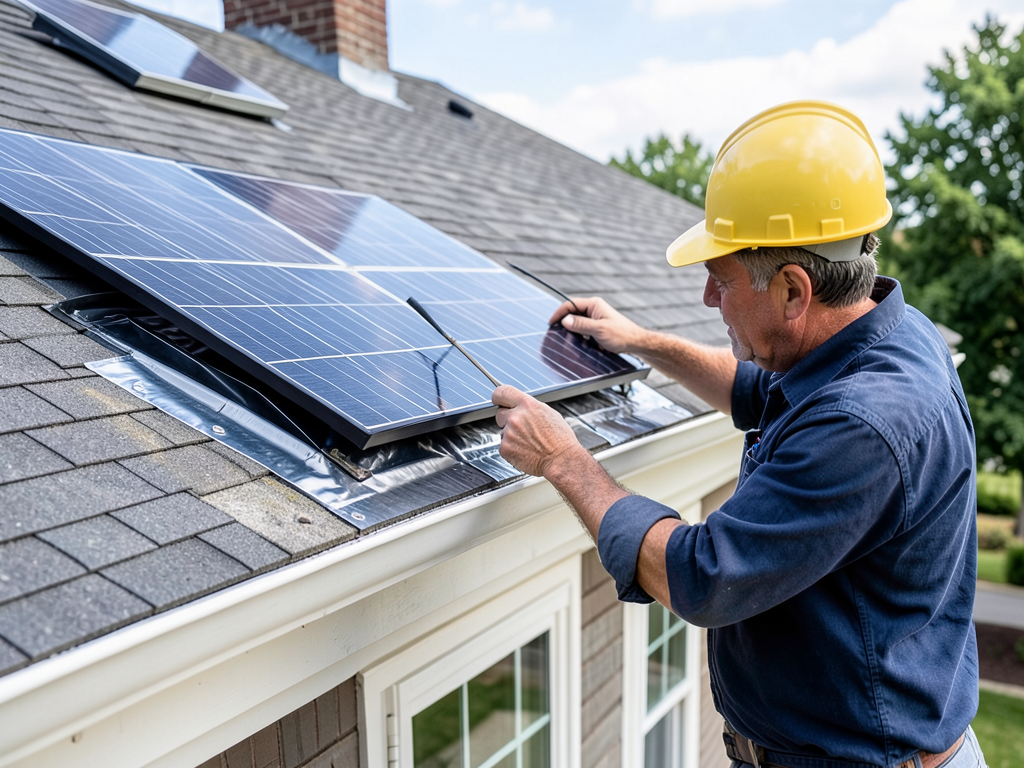
A 14-inch hole is cut in the roof deck. Flashings are installed per NRCA guidelines using ice-and-water shield in the nail area to prevent leaks during DC’s freeze-thaw cycles.
- Fan Mounting and Wiring
The fan unit is secured with stainless steel fasteners. Wiring is kept minimal—most DC codes allow low-voltage DC wiring without conduit if properly protected.
- Sealing and Weatherproofing
All penetrations are sealed with roofing-grade sealant. The area is inspected for proper water shedding, critical in Riggs Park where wind-driven rain is common.
- Performance Testing
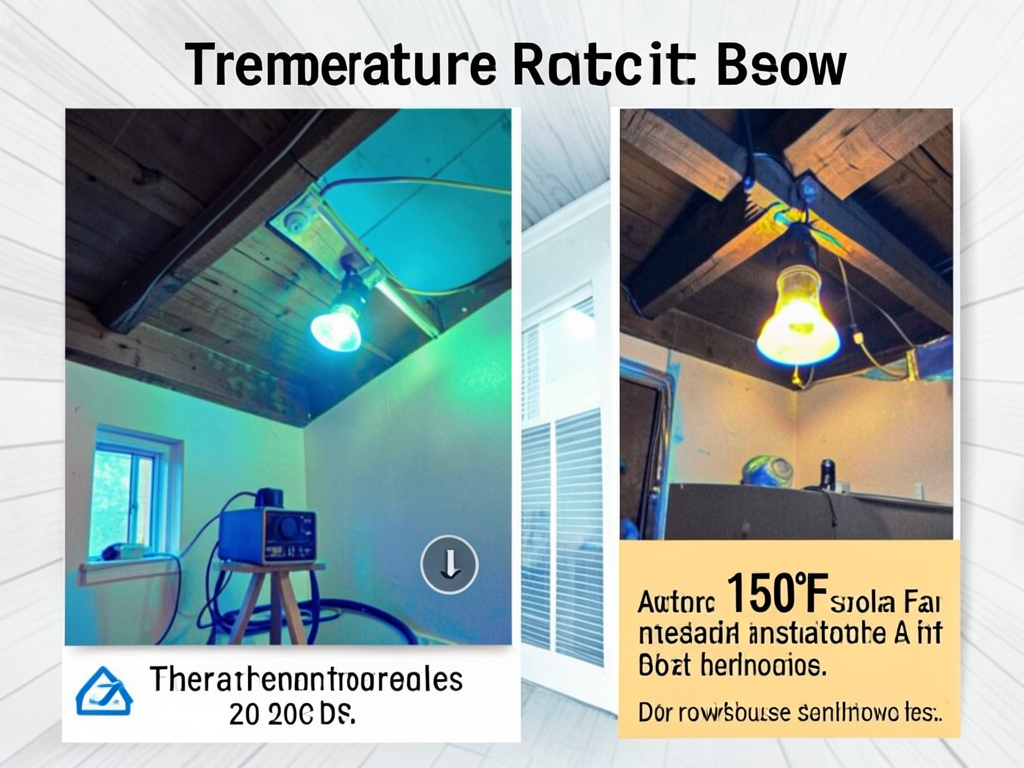
Technician verifies airflow direction and measures temperature differential before and after installation. A properly functioning fan should show 15-30°F reduction within 30 minutes.
Solar vs. Electric Attic Fans: DC-Specific ROI Comparison
| Feature | Solar Attic Fan | Electric Attic Fan |
|---|---|---|
| Upfront Cost (installed) | $800-1,200 | $400-600 |
| Operating Cost (DC summers) | $0 (solar-powered) | $8-15/month |
| Tax Credit Eligibility | Yes (30% federal) | No |
| Humidity Handling | Excellent (runs when hottest) | Good (thermostat-controlled) |
| DC Weather Reliability | Excellent (no grid dependency) | Fair (power outages common) |
| Typical ROI Period | 2-3 years | 3-4 years |
Common Problems and Solutions for Riggs Park Installations
The most frequent issue isn’t the fan itself—it’s improper installation. Many DC homeowners hire general electricians who don’t understand roofing waterproofing. This leads to leaks during our notorious summer thunderstorms. Always verify your installer has roofing experience and provides a separate waterproofing warranty.
Another problem is undersized fans. A 10-watt panel might work in Arizona, but DC’s high humidity and cloud cover require 20-30 watts for the same attic volume. The fan should move at least 10 air changes per hour. For a typical Riggs Park rowhouse attic (800-1,200 sq ft), that means a 1,000-1,500 CFM unit.
Winter performance is often questioned. Solar fans don’t create ice dams—they actually help prevent them by keeping attic temperatures closer to outdoor ambient. The key is having proper soffit vents for intake air. Without them, the fan creates negative pressure that can pull conditioned air from your living space, increasing heating costs. How to Get Your Roof Ready for a DC Winter in Chevy Chase.
Maintenance Tips for Long-Term Performance
DC’s pollen season (April-May) can coat solar panels with a fine yellow dust that reduces efficiency by 15-20%. A simple rinse with a garden hose every spring restores full power. After summer thunderstorms, check that leaves and debris haven’t blocked the fan’s intake grille.
The fan’s bearings typically last 5-7 years in DC’s climate. You’ll hear a high-pitched whine when they’re wearing out—that’s the time to replace the motor, not wait for failure. Most quality units have replaceable cartridges, making repairs cheaper than replacement. The Real Cost of a Roof Replacement for Washington DC Homeowners.
Inspect the roof seal annually, especially after winter. DC’s freeze-thaw cycles can cause sealant to crack. A quick reseal with roofing caulk prevents the most common failure point. Also check that nearby tree branches haven’t grown enough to shade the panel during critical afternoon hours.
Frequently Asked Questions
Will a solar attic fan work on cloudy DC days?
Yes, but at reduced capacity. Modern monocrystalline panels still produce 10-25% of their rated power under heavy cloud cover. During typical DC summer afternoons, even partially cloudy conditions generate enough power for the fan to run at half speed, which is often sufficient for moderate heat gain.
How do I know if my attic needs a fan?
Simple test: if your upper floor is 8-10°F warmer than your thermostat setting on sunny days, your attic is trapping heat. Another indicator is touching your ceiling near midday—if it feels warm, you’re paying to cool your attic. A professional assessment can measure exact temperature differentials and calculate required ventilation.
Can I install a solar attic fan myself?
Tread carefully. While the fan itself is plug-and-play, the roof penetration requires proper flashing to prevent leaks. DC’s building codes also require permits for roof modifications. Improper installation can void your roof warranty and lead to thousands in water damage. Professional installation typically costs $200-300 and includes code compliance.
Real Results from Riggs Park Homes
Homeowners in the 20011 and 20010 zip codes report average temperature drops of 35°F in their attics after installation. One resident on Sargent Road saw her second-floor bedroom temperature drop from 84°F to 76°F during a July heatwave, allowing her to raise her thermostat from 72°F to 76°F. That 4°F increase saved approximately $35/month on her electric bill during peak cooling season.
The most dramatic results come when solar fans are combined with proper attic insulation. One Edgewood Terrace homeowner reduced her annual cooling costs by $420 after installing both upgrades. The solar fan paid for itself in just 18 months, and her roof’s shingle temperature dropped enough to potentially add 3-5 years to their lifespan.
Call (771) 240-3300 for Your Riggs Park Solar Attic Fan Assessment
Ready to stop paying to cool your attic? Our DC-certified roofing technicians understand the unique challenges of Riggs Park rowhouses—from shared walls to historic district restrictions. We’ll assess your attic’s ventilation needs, recommend the right size fan, and install it with proper DC-code flashing to prevent leaks. Plus, we’ll help you navigate the federal tax credit paperwork so you get the maximum savings. Don’t wait until your next $400 electric bill arrives. Call (771) 240-3300 today to schedule your free assessment and take the first step toward a cooler, more efficient home.
Why Choose Local DC Experience Over National Chains
National solar companies often treat attic fans as an afterthought, using one-size-fits-all approaches that fail in DC’s climate. A fan sized for Phoenix will barely move air in our humid summers. Local DC roofers understand that our 90°F days with 70% humidity require different engineering than dry heat. We know which mounting hardware resists our occasional hailstorms and how to flash penetrations to withstand wind-driven rain from summer thunderstorms.
Beyond technical knowledge, local companies provide accountability. If a leak develops during next summer’s first big storm, you won’t be navigating a 1-800 number to reach a technician three states away. You’ll get a DC-based crew who can be there within 24 hours, with replacement parts on their truck. That’s the difference between a warranty and actual service when you need it.
Take Control of Your Home’s Climate Today
The evidence is clear: solar attic fans work exceptionally well for Riggs Park rowhouses when properly installed. They reduce attic temperatures, lower cooling costs, and protect your roof investment. The combination of federal tax credits and energy savings means most systems pay for themselves within three years. But the real value is year-round comfort—no more sweltering upstairs bedrooms or AC units cycling constantly on hot afternoons.
Don’t let another DC summer drain your wallet and make your home uncomfortable. The solution isn’t cranking your AC lower or installing expensive new ductwork. It’s removing the heat at its source with a properly sized, professionally installed solar attic fan. Call (771) 240-3300 now to schedule your assessment. Our team will evaluate your specific attic, recommend the optimal solution, and handle all the permitting and paperwork. Your cooler, more efficient home is just one phone call away.
You may also find this helpful. How to Stop Squirrels and Raccoons from Nesting in Your Manor Park Roof.
You may also find this helpful. Identifying the Early Signs of Attic Mold and Moisture in Shepherd Park Houses.
{
“@context”: “https://schema.org”,
“@type”: “BlogPosting”,
“headline”: “Do Solar Attic Fans Actually Work for Riggs Park Rowhouses?”,
“description”: “Discover if solar attic fans reduce heat and energy bills in Riggs Park rowhouses. Learn DC-specific installation, tax credits, and performance during humid summers.”,
“wordCount”: 1881,
“datePublished”: “2026-03-24T12:00:00.000Z”,
“dateModified”: “2026-03-24T12:00:00.000Z”,
“inLanguage”: “en-US”,
“mainEntityOfPage”: {
“@type”: “WebPage”,
“@id”: “https://aceroofingwashingtondc.com”
},
“publisher”: {
“@type”: “LocalBusiness”,
“name”: “Ace Roofing Washington DC”,
“url”: “https://aceroofingwashingtondc.com”
},
“author”: {
“@type”: “Organization”,
“name”: “Ace Roofing Washington DC”,
“url”: “https://aceroofingwashingtondc.com”
},
“image”: {
“@type”: “ImageObject”,
“url”: “https://aceroofingwashingtondc.com/wp-content/uploads/2026/03/do-solar-attic-fans-actually-work-for-riggs-park-r-1.png”
}
}
{
“@context”: “https://schema.org”,
“@type”: “RoofingContractor”,
“name”: “Ace Roofing Washington DC”,
“url”: “https://aceroofingwashingtondc.com”,
“address”: {
“@type”: “PostalAddress”,
“addressLocality”: “Washington DC”
},
“areaServed”: {
“@type”: “City”,
“name”: “Washington DC”
}
}
{
“@context”: “https://schema.org”,
“@type”: “FAQPage”,
“mainEntity”: [
{
“@type”: “Question”,
“name”: “Will a solar attic fan work on cloudy DC days?”,
“acceptedAnswer”: {
“@type”: “Answer”,
“text”: “Yes, but at reduced capacity. Modern monocrystalline panels still produce 10-25% of their rated power under heavy cloud cover. During typical DC summer afternoons, even partially cloudy conditions generate enough power for the fan to run at half speed, which is often sufficient for moderate heat gain.”
}
},
{
“@type”: “Question”,
“name”: “How do I know if my attic needs a fan?”,
“acceptedAnswer”: {
“@type”: “Answer”,
“text”: “Simple test: if your upper floor is 8-10°F warmer than your thermostat setting on sunny days, your attic is trapping heat. Another indicator is touching your ceiling near midday—if it feels warm, you’re paying to cool your attic. A professional assessment can measure exact temperature differentials and calculate required ventilation.”
}
},
{
“@type”: “Question”,
“name”: “Can I install a solar attic fan myself?”,
“acceptedAnswer”: {
“@type”: “Answer”,
“text”: “Tread carefully. While the fan itself is plug-and-play, the roof penetration requires proper flashing to prevent leaks. DC’s building codes also require permits for roof modifications. Improper installation can void your roof warranty and lead to thousands in water damage. Professional installation typically costs $200-300 and includes code compliance.”
}
}
]
}
{
“@context”: “https://schema.org”,
“@type”: “HowTo”,
“name”: “Solar Attic Fan Installation Process”,
“step”: [
{
“@type”: “HowToStep”,
“position”: 1,
“name”: “Attic Assessment”,
“text”: “Technician measures attic dimensions, checks existing ventilation, and calculates required CFM (Cubic Feet per Minute). For a 1,000 sq ft attic, you typically need 800-1,000 CFM.”
},
{
“@type”: “HowToStep”,
“position”: 2,
“name”: “Roof Penetration and Flashing”,
“text”: “A 14-inch hole is cut in the roof deck. Flashings are installed per NRCA guidelines using ice-and-water shield in the nail area to prevent leaks during DC’s freeze-thaw cycles.”
},
{
“@type”: “HowToStep”,
“position”: 3,
“name”: “Fan Mounting and Wiring”,
“text”: “The fan unit is secured with stainless steel fasteners. Wiring is kept minimal—most DC codes allow low-voltage DC wiring without conduit if properly protected.”
},
{
“@type”: “HowToStep”,
“position”: 4,
“name”: “Sealing and Weatherproofing”,
“text”: “All penetrations are sealed with roofing-grade sealant. The area is inspected for proper water shedding, critical in Riggs Park where wind-driven rain is common.”
},
{
“@type”: “HowToStep”,
“position”: 5,
“name”: “Performance Testing”,
“text”: “Technician verifies airflow direction and measures temperature differential before and after installation. A properly functioning fan should show 15-30°F reduction within 30 minutes.”
}
],
“image”: “https://aceroofingwashingtondc.com/wp-content/uploads/2026/03/do-solar-attic-fans-actually-work-for-riggs-park-r-1.png”
}
{
“@context”: “https://schema.org”,
“@type”: “BreadcrumbList”,
“itemListElement”: [
{
“@type”: “ListItem”,
“position”: 1,
“name”: “Home”,
“item”: “https://aceroofingwashingtondc.com”
},
{
“@type”: “ListItem”,
“position”: 2,
“name”: “Blog”,
“item”: “https://aceroofingwashingtondc.com/blog”
},
{
“@type”: “ListItem”,
“position”: 3,
“name”: “Do Solar Attic Fans Actually Work for Riggs Park Rowhouses?”
}
]
}
{
“@context”: “https://schema.org”,
“@type”: “Service”,
“serviceType”: “Roofing”,
“provider”: {
“@type”: “LocalBusiness”,
“name”: “Ace Roofing Washington DC”,
“url”: “https://aceroofingwashingtondc.com”
},
“areaServed”: {
“@type”: “City”,
“name”: “Washington DC”
},
“description”: “Discover if solar attic fans reduce heat and energy bills in Riggs Park rowhouses. Learn DC-specific installation, tax credits, and performance during humid summers.”
}