
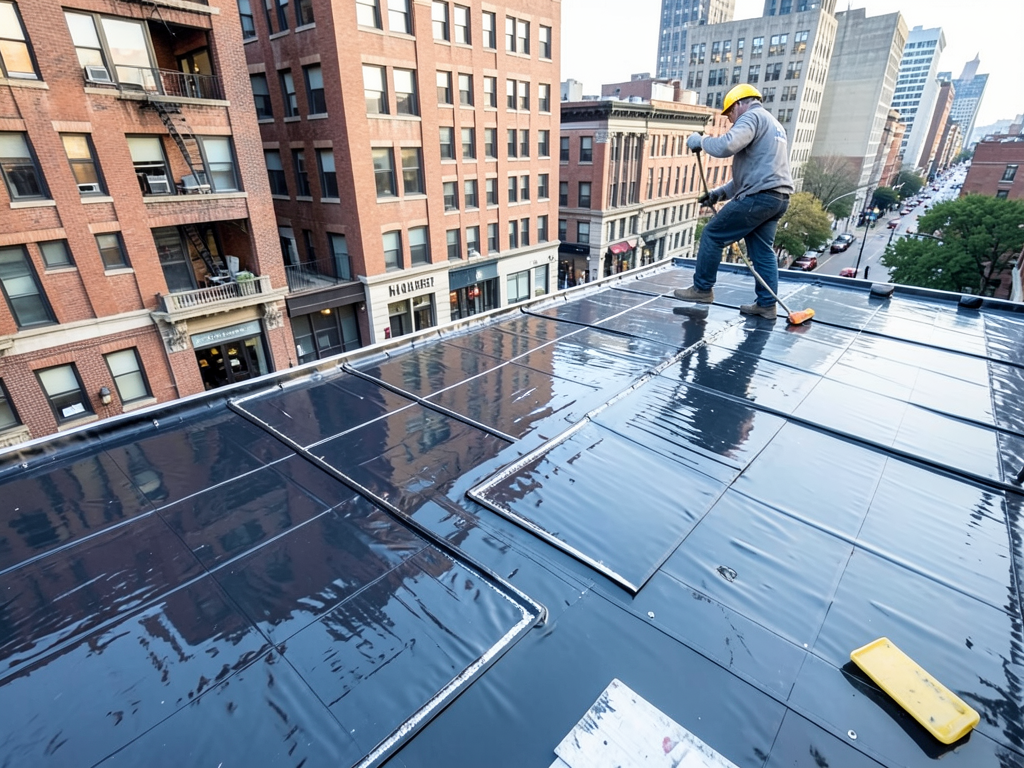
TPO vs EPDM Flat Roofing Systems for Mixed Use Buildings on H Street
Choosing between TPO and EPDM flat roofing for mixed-use buildings on H Street requires understanding how Washington DC’s urban heat island effect, high humidity, and stormwater regulations impact membrane performance. This guide breaks down the technical differences, local code requirements, and cost factors that property owners need to make the right investment for their commercial-residential buildings. The Real Cost of a Roof Replacement for Washington DC Homeowners.
Understanding H Street’s Unique Roofing Challenges
H Street’s historic commercial corridor combines early 20th-century row buildings with modern mixed-use developments, creating specific roofing demands. The area’s dense urban layout means buildings experience higher ambient temperatures from surrounding pavement and structures, while the District’s Green Area Ratio requirements push many property owners toward reflective roofing solutions. District Department of Energy & Environment.
DC’s annual precipitation averages 40 inches with occasional heavy thunderstorms that test drainage systems. The freeze-thaw cycles from November through March cause membrane expansion and contraction that can create stress points around rooftop equipment and parapet walls. Buildings constructed before 1980 often have modified bitumen or built-up roofing that requires complete removal before installing new TPO or EPDM systems.. Read more about How Long Different Roofing Materials Actually Last in the Humid DC Climate.
Local building codes require Class A fire ratings for commercial structures, and the District Department of Energy & Environment mandates cool roof standards for new construction and major renovations. These regulations influence material selection more than climate considerations alone.. Read more about Understanding the DC Department of Buildings Permit Process for New Roofs.
Technical Comparison: TPO vs EPDM Performance Factors
Thermoplastic Polyolefin (TPO) and Ethylene Propylene Diene Terpolymer (EPDM) represent the two most common single-ply membrane options for flat commercial roofs in DC. Each material handles the region’s climate challenges differently.
TPO membranes reflect 70-80% of solar radiation, reducing cooling costs during DC’s humid summers. The white or light-colored surface helps buildings comply with cool roof requirements under the District’s Green Building Act. TPO’s heat-welded seams create monolithic waterproofing that resists ponding water better than EPDM’s adhesive or tape seams.. Read more about Fixing Standing Water and Low Spots on Flat Roofs in Carver Langston.
EPDM offers superior flexibility in cold temperatures, maintaining elasticity down to -40°F compared to TPO’s -20°F threshold. The black membrane absorbs heat in winter, potentially reducing heating costs for buildings with rooftop HVAC units. EPDM typically costs 15-20% less per square foot than TPO for materials and installation. How to Get Your Roof Ready for a DC Winter in Chevy Chase.
Both membranes meet DC’s Class A fire rating requirements, but TPO’s heat-welded seams provide better long-term waterproofing for buildings with heavy rooftop traffic or equipment. EPDM’s factory-applied tape seams can degrade over time, especially in areas with high foot traffic.. Read more about Fire Resistant Roofing Materials for High Density Neighborhoods Like NoMa.
Cost Analysis for H Street Mixed-Use Properties
Material costs for TPO range from $5.50 to $7.50 per square foot installed, while EPDM costs $4.50 to $6.50 per square foot. These prices include removal of existing roofing, insulation upgrades to meet current R-value requirements, and installation labor specific to DC’s wage standards.
Commercial buildings on H Street typically require 15-20% higher installation costs than suburban properties due to limited staging areas, traffic control requirements, and stricter waste disposal regulations. The District’s combined sewer system means contractors must contain all runoff during installation to prevent contamination.
TPO systems last 20-25 years with proper maintenance, while EPDM systems typically last 15-20 years. The longer lifespan of TPO often offsets the higher initial investment, especially for buildings where energy efficiency impacts operating costs significantly. The Best Flat Roof Maintenance Tips for Petworth Homeowners.
Maintenance costs average $0.25 to $0.40 per square foot annually for both systems. TPO requires less frequent seam inspection due to its heat-welded construction, while EPDM needs more regular checks of adhesive bonds around penetrations and flashings.
DC Building Code Requirements and Permitting
The Washington DC Building Code (12-A DCMR) requires commercial flat roofs to meet specific wind uplift ratings based on building height and location. H Street properties in the Capitol Hill historic district must also comply with the Historic Preservation Review Board guidelines, which may restrict certain membrane colors or installation methods. Why Your Capitol Hill Rowhouse Needs a Specialized Flat Roof System.
Stormwater management regulations require commercial properties to retain the first 1.2 inches of rainfall on-site. This often means installing tapered insulation systems or additional drainage components that increase project costs by $1-2 per square foot.
The District’s Green Area Ratio (GAR) requirements encourage cool roof installations through expedited permitting for projects that reduce urban heat island effects. TPO’s high reflectivity typically qualifies buildings for these incentives, while EPDM may require additional energy modeling to demonstrate compliance.
Permit fees for commercial roofing projects range from $500 to $2,000 depending on building size and complexity. Historic district properties require additional review that can extend permitting timelines by 30-60 days. Navigating Historic Preservation Roofing Rules in Dupont Circle.
Best Applications for H Street Mixed-Use Buildings
TPO works best for buildings with high rooftop traffic, such as restaurants with outdoor dining areas or properties with extensive HVAC equipment. The heat-welded seams resist damage from foot traffic and equipment movement better than EPDM’s adhesive seams.
EPDM excels in buildings where initial cost reduction is critical or where the roof receives minimal traffic. The material’s flexibility makes it ideal for complex roof geometries with many penetrations, such as older buildings with multiple roof levels or unusual parapet configurations.
For mixed-use buildings with residential units above commercial spaces, TPO’s energy efficiency often provides better long-term value. The reflective surface reduces cooling costs for retail tenants while the durable seams minimize maintenance disruptions for residential occupants.
Buildings with extensive rooftop equipment benefit from TPO’s resistance to petroleum products and chemicals that can degrade EPDM over time. Restaurants, medical offices, and laboratories should consider TPO for this reason.
Installation Considerations for H Street Properties
Space constraints on H Street mean contractors must coordinate deliveries during off-peak hours and use smaller equipment than typical suburban installations. Crane access may require street closures and police coordination, adding $2,000-5,000 to project costs.
Historic district requirements often mandate specific installation techniques to preserve parapet details and cornice work. This can increase labor costs by 15-20% and require additional approval steps during the installation process.
Weather considerations play a crucial role in scheduling. DC’s summer thunderstorms can delay projects, while winter installations require temperature-controlled conditions for proper membrane adhesion. Most contractors avoid installations when temperatures fall below 40°F or exceed 95°F.
Noise restrictions in mixed-use areas mean work must typically occur between 7 AM and 6 PM on weekdays, extending project timelines compared to suburban installations that can work extended hours.
Maintenance Requirements and Longevity Factors
Both TPO and EPDM require annual professional inspections to maintain manufacturer warranties and identify potential issues before they cause damage. DC’s high humidity creates conditions for algae and moss growth that can degrade both materials if left untreated.
TPO maintenance focuses on seam integrity and surface cleaning to maintain reflectivity. The material resists biological growth better than EPDM but can become brittle if exposed to certain chemicals or petroleum products.
EPDM requires more frequent inspection of adhesive bonds and flashings, particularly around HVAC units and other rooftop equipment. The material’s black surface absorbs heat that can accelerate degradation in areas with poor drainage.
Both systems benefit from regular gutter cleaning and drainage maintenance to prevent ponding water that can cause premature failure. DC’s combined sewer system means clogged drains can create standing water that exceeds warranty tolerances.
Energy Efficiency and Environmental Impact
TPO’s high solar reflectance index (SRI) of 100-110 helps buildings meet DC’s energy code requirements while reducing cooling costs by 15-25% compared to dark roofing materials. The material’s recyclability also supports sustainability goals for environmentally conscious property owners.
EPDM’s lower initial environmental impact comes from simpler manufacturing processes and reduced transportation emissions due to lighter weight. However, the material’s heat absorption can increase cooling costs in DC’s climate, potentially offsetting these benefits over the roof’s lifespan.
Both materials qualify for Energy Star ratings when installed with proper insulation. TPO typically achieves higher ratings due to its reflective properties, which can translate to utility rebates or tax incentives in some jurisdictions.
The District’s commitment to reducing carbon emissions by 50% by 2032 makes energy-efficient roofing an important consideration for property owners planning long-term investments in H Street’s evolving commercial district.
Decision Framework for Property Owners
Property owners should evaluate TPO versus EPDM based on building usage patterns, budget constraints, and long-term ownership plans. Buildings with high energy costs or sustainability goals typically benefit more from TPO’s reflective properties and longer lifespan.
Initial budget limitations may favor EPDM’s lower upfront costs, but owners should calculate total lifecycle costs including energy savings, maintenance requirements, and replacement timing. A 20-year ownership horizon often favors TPO’s higher initial investment.
Building age and condition influence material selection. Older buildings with complex roof geometries may benefit from EPDM’s flexibility, while newer construction with simple roof planes often suits TPO’s installation requirements better.
Future plans for the property should factor into the decision. Buildings expected to undergo significant renovation or changes in use within 10-15 years may not justify TPO’s premium cost.
Frequently Asked Questions
How long does a flat roof last in Washington DC’s climate?
Quality TPO or EPDM flat roofs typically last 15-25 years in DC, depending on installation quality, maintenance, and exposure to severe weather. TPO generally lasts 20-25 years while EPDM lasts 15-20 years under similar conditions.
What is the best commercial roof for urban heat?
TPO provides the best performance for urban heat due to its high solar reflectance and emissivity ratings. The material can reduce roof surface temperatures by 50-60°F compared to dark roofing materials, significantly lowering cooling costs in DC’s humid summers.
Do DC building codes require specific roofing materials?
DC building codes don’t mandate specific materials but require Class A fire ratings, cool roof standards for new construction, and compliance with Green Area Ratio requirements. These regulations often favor TPO or other highly reflective materials for commercial buildings.
How much does flat roof replacement cost in DC?
Flat roof replacement costs in DC range from $8 to $15 per square foot installed, depending on material selection, building complexity, and permitting requirements. Historic district properties typically cost 15-25% more due to additional compliance requirements.
Can I install a new roof over existing flat roofing?
DC building codes generally require complete removal of existing roofing materials before installing new single-ply membranes. This ensures proper inspection of the roof deck and allows installation of required insulation upgrades to meet current energy codes.
Making Your Final Selection
The choice between TPO and EPDM for H Street mixed-use buildings ultimately depends on balancing initial costs against long-term performance and energy efficiency goals. TPO offers superior durability and energy savings for buildings planning 20+ year ownership, while EPDM provides cost-effective solutions for properties with budget constraints or minimal rooftop traffic.
Property owners should request detailed proposals from qualified DC contractors that include material specifications, installation methods, and energy performance projections. The right choice protects your investment while supporting H Street’s continued development as a vibrant commercial corridor.
Consider scheduling a professional roof assessment to evaluate your building’s specific needs before making a final decision. Local contractors familiar with H Street’s unique challenges can provide valuable insights about material performance in your particular building configuration.
Next Steps for H Street Property Owners
Ready to upgrade your H Street commercial property’s roofing system? Understanding the technical differences between TPO and EPDM is just the first step. Professional assessment of your building’s specific needs, local code compliance, and energy efficiency goals will help narrow your options to the best solution.
Don’t let roofing decisions become costly mistakes. Schedule a consultation with experienced DC commercial roofing contractors who understand H Street’s unique requirements and can provide accurate cost projections for your specific property.
Call (771) 240-3300 today to schedule your inspection and receive a detailed proposal for your H Street mixed-use building. Our team specializes in commercial roofing solutions that meet DC’s strict building codes while maximizing energy efficiency and long-term value.
Pick up the phone and call (771) 240-3300 before the next storm hits. H Street’s unpredictable weather won’t wait for your roofing decisions, and proper installation timing can save thousands in emergency repairs and business interruption costs. For more information, visit National Roofing Contractors Association.
You may also find this helpful. The Hidden Risks of Trying to Patch Your Own DC Rowhouse Roof.
{
“@context”: “https://schema.org”,
“@type”: “BlogPosting”,
“headline”: “TPO vs EPDM Flat Roofing Systems for Mixed Use Buildings on H Street”,
“description”: “Compare TPO and EPDM flat roofing for H Street mixed-use buildings. Learn DC-specific costs, lifespans, building codes, and which membrane handles urban heat and humidity best.”,
“wordCount”: 2039,
“datePublished”: “2026-03-22T09:10:00.000Z”,
“dateModified”: “2026-03-22T09:10:00.000Z”,
“inLanguage”: “en-US”,
“mainEntityOfPage”: {
“@type”: “WebPage”,
“@id”: “https://aceroofingwashingtondc.com”
},
“publisher”: {
“@type”: “LocalBusiness”,
“name”: “Ace Roofing Washington DC”,
“url”: “https://aceroofingwashingtondc.com”
},
“author”: {
“@type”: “Organization”,
“name”: “Ace Roofing Washington DC”,
“url”: “https://aceroofingwashingtondc.com”
},
“image”: {
“@type”: “ImageObject”,
“url”: “https://aceroofingwashingtondc.com/wp-content/uploads/2026/03/tpo-vs-epdm-flat-roofing-systems-for-mixed-use-bui-1.png”
}
}
{
“@context”: “https://schema.org”,
“@type”: “RoofingContractor”,
“name”: “Ace Roofing Washington DC”,
“url”: “https://aceroofingwashingtondc.com”,
“address”: {
“@type”: “PostalAddress”,
“addressLocality”: “Washington DC”
},
“areaServed”: {
“@type”: “City”,
“name”: “Washington DC”
}
}
{
“@context”: “https://schema.org”,
“@type”: “FAQPage”,
“mainEntity”: [
{
“@type”: “Question”,
“name”: “How long does a flat roof last in Washington DC’s climate?”,
“acceptedAnswer”: {
“@type”: “Answer”,
“text”: “Quality TPO or EPDM flat roofs typically last 15-25 years in DC, depending on installation quality, maintenance, and exposure to severe weather. TPO generally lasts 20-25 years while EPDM lasts 15-20 years under similar conditions.”
}
},
{
“@type”: “Question”,
“name”: “What is the best commercial roof for urban heat?”,
“acceptedAnswer”: {
“@type”: “Answer”,
“text”: “TPO provides the best performance for urban heat due to its high solar reflectance and emissivity ratings. The material can reduce roof surface temperatures by 50-60°F compared to dark roofing materials, significantly lowering cooling costs in DC’s humid summers.”
}
},
{
“@type”: “Question”,
“name”: “Do DC building codes require specific roofing materials?”,
“acceptedAnswer”: {
“@type”: “Answer”,
“text”: “DC building codes don’t mandate specific materials but require Class A fire ratings, cool roof standards for new construction, and compliance with Green Area Ratio requirements. These regulations often favor TPO or other highly reflective materials for commercial buildings.”
}
},
{
“@type”: “Question”,
“name”: “How much does flat roof replacement cost in DC?”,
“acceptedAnswer”: {
“@type”: “Answer”,
“text”: “Flat roof replacement costs in DC range from $8 to $15 per square foot installed, depending on material selection, building complexity, and permitting requirements. Historic district properties typically cost 15-25% more due to additional compliance requirements.”
}
},
{
“@type”: “Question”,
“name”: “Can I install a new roof over existing flat roofing?”,
“acceptedAnswer”: {
“@type”: “Answer”,
“text”: “DC building codes generally require complete removal of existing roofing materials before installing new single-ply membranes. This ensures proper inspection of the roof deck and allows installation of required insulation upgrades to meet current energy codes.”
}
}
]
}
{
“@context”: “https://schema.org”,
“@type”: “BreadcrumbList”,
“itemListElement”: [
{
“@type”: “ListItem”,
“position”: 1,
“name”: “Home”,
“item”: “https://aceroofingwashingtondc.com”
},
{
“@type”: “ListItem”,
“position”: 2,
“name”: “Blog”,
“item”: “https://aceroofingwashingtondc.com/blog”
},
{
“@type”: “ListItem”,
“position”: 3,
“name”: “TPO vs EPDM Flat Roofing Systems for Mixed Use Buildings on H Street”
}
]
}
{
“@context”: “https://schema.org”,
“@type”: “Service”,
“serviceType”: “Roofing”,
“provider”: {
“@type”: “LocalBusiness”,
“name”: “Ace Roofing Washington DC”,
“url”: “https://aceroofingwashingtondc.com”
},
“areaServed”: {
“@type”: “City”,
“name”: “Washington DC”
},
“description”: “Compare TPO and EPDM flat roofing for H Street mixed-use buildings. Learn DC-specific costs, lifespans, building codes, and which membrane handles urban heat and humidity best.”
}