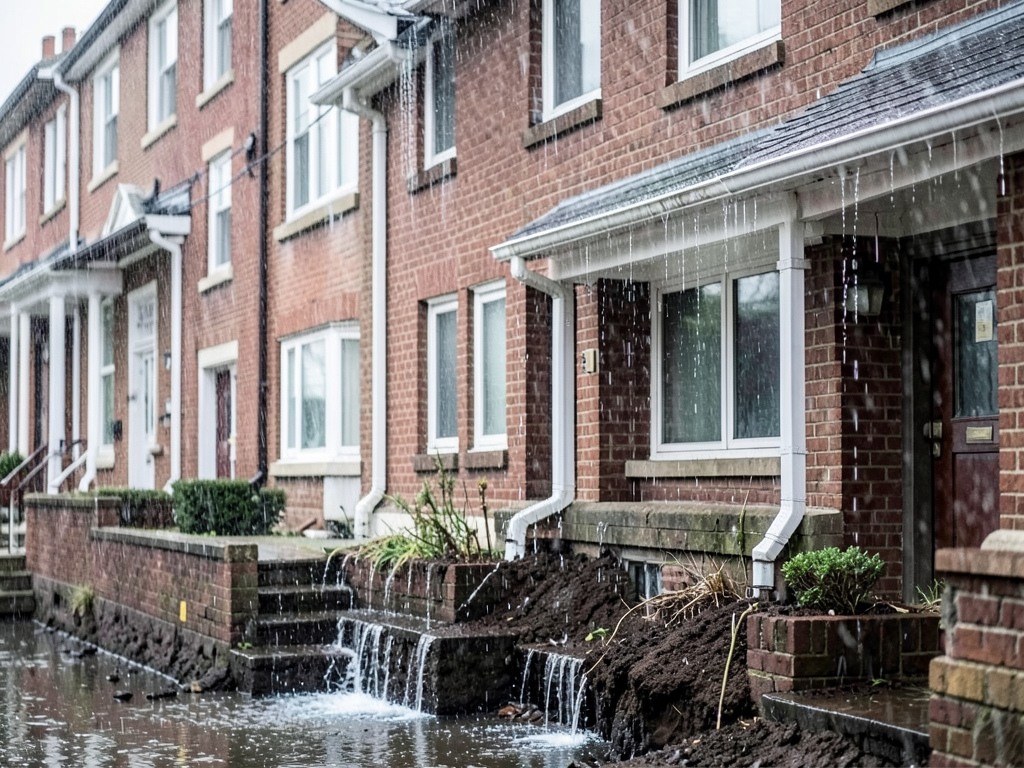
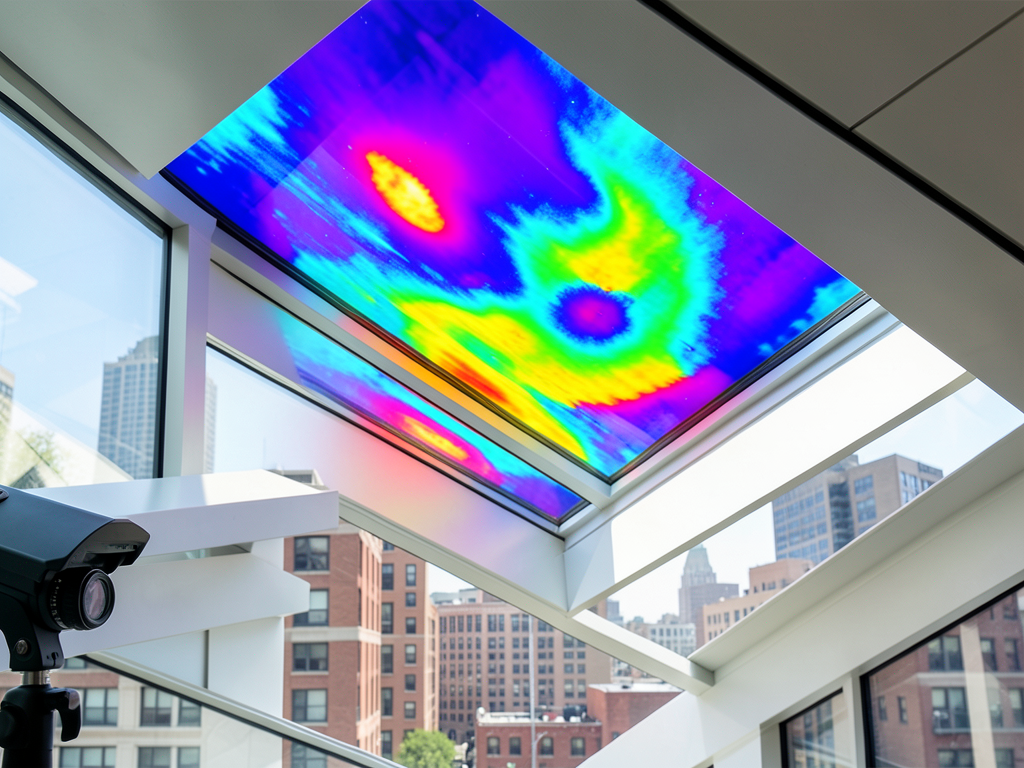
Washington, D.C. sits in a humid subtropical climate zone where summer dew points regularly exceed 70 degrees and annual rainfall approaches 40 inches. This constant moisture exposure accelerates membrane degradation on flat commercial roofs common to retail centers. The Potomac and Anacostia River valleys create localized humidity pockets that keep roof surfaces damp longer after rain events, promoting algae growth and granule loss on modified bitumen systems. Summer thunderstorms deliver intense rainfall that overwhelms undersized drainage systems, causing ponding water that breaks down membrane adhesives and saturates insulation. Winter brings freeze-thaw cycling that expands existing cracks and separates flashing from parapet walls, creating new leak pathways with each temperature swing.
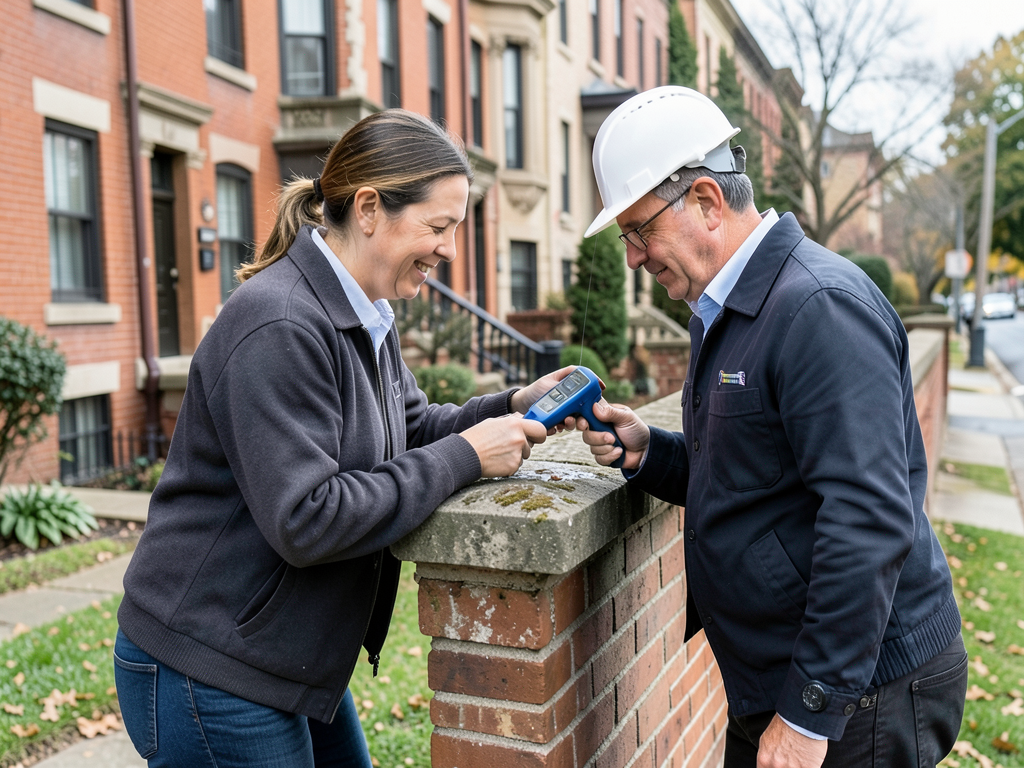
Commercial property owners throughout the District face unique code compliance requirements for roof work, including DC Construction Codes that mandate specific insulation R-values and wind uplift ratings based on building height and exposure category. Historic district regulations in neighborhoods like Capitol Hill and Georgetown restrict equipment staging, material staging, and work hours, requiring contractors who understand these limitations and plan accordingly. Local expertise matters when coordinating with DC Department of Consumer and Regulatory Affairs for permits, managing multi-tenant notifications, and responding quickly when weather conditions require emergency tarping or temporary waterproofing. Choosing contractors familiar with Washington's retail building stock and regulatory environment protects your investment and minimizes project delays.